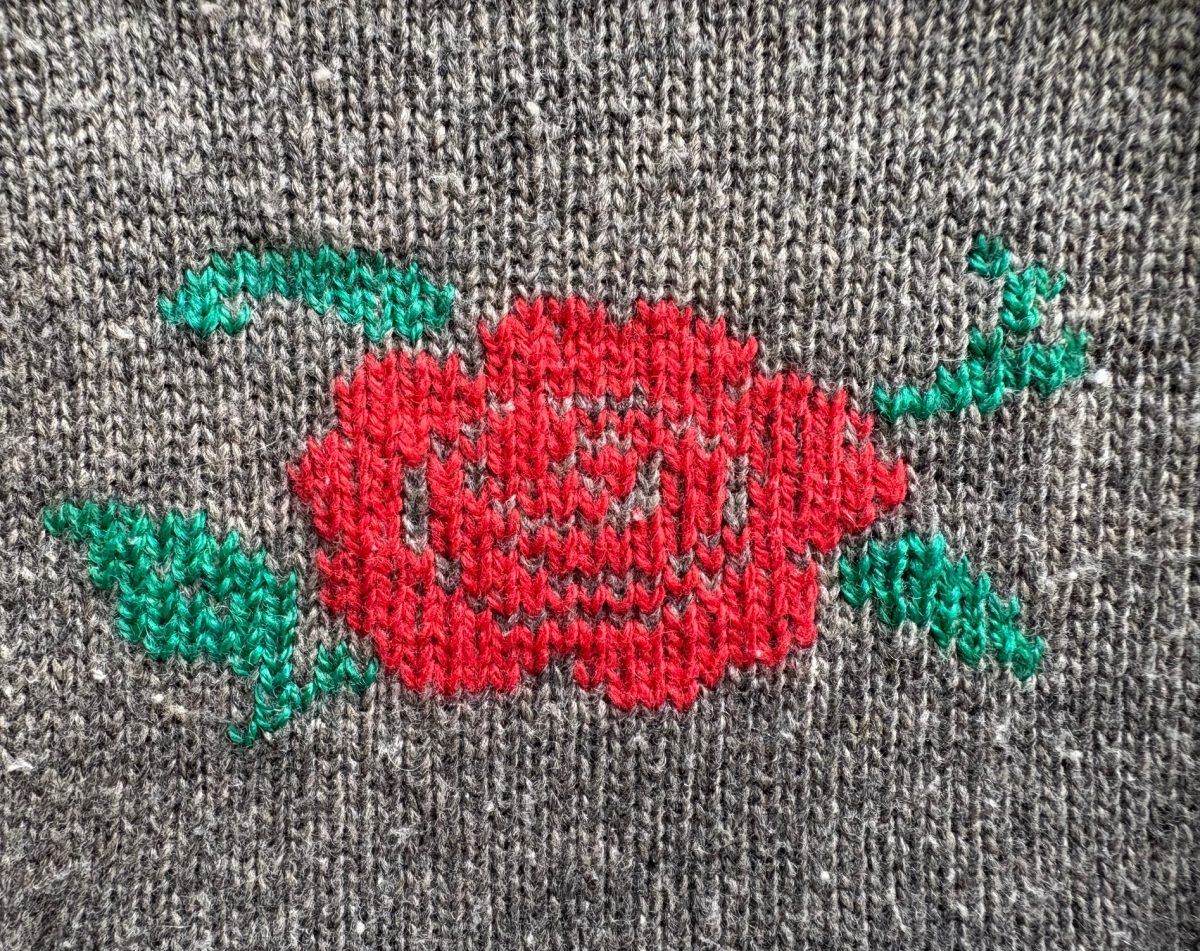
Save your favorite knitted garment! In this workshop, you will learn how to use a needle, thread and a darning mushroom to repair a hole or reinforce a thin spot. Bring your worn out sock or sweater and get started. Materials and guidance are provided. You will go home with a repaired garment and a new skill.
Embroidery is an ancient craft technique in which you use a needle and thread to add beautiful patterns, texts or images onto fabric. It is a creative and personal way to decorate textiles, from clothing to interior items. MerkWaardig is the embroidery association of the Netherlands, where more than a thousand members share their love for hand embroidery. Whether it is traditional merklappen or modern forms such as visible mending, embroidery is alive. During the festival, the association shows how techniques such as basting, darning and mending, once practical skills for repairing sheets and socks, can now give your garment a new life. Where holes once had to disappear without trace, repairs are now decorative, colorful and unique. This way, old textiles are given a second life, with a nod to the past and a look towards the future.
Willeke te Biesebeek is a passionate embroiderer and knitter. In 2025 she contributed to the collection of fashion designer Duran Lantink, which appeared on the runway of Paris Fashion Week and won the prestigious Woolmark Prize. Especially for the Ambacht in Beeld Festival, she explored the art of visible mending and shows how repairing is not only sustainable but also stylish.

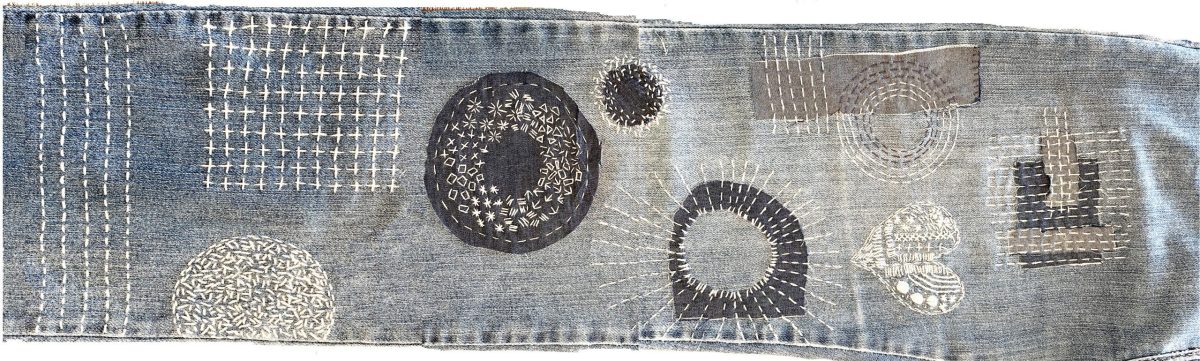
Does your pair of jeans have holes or are elbows of denim jacket worn out? In this workshop, you will learn how to repair and embellish garment using needle, thread and fabric scraps. You will use Japanese technique Sashiko. Bring your worn-out clothing item. If you want to participate but don’t have worn denim? No problem: the kit you receive during the workshop includes a piece of denim fabric. You will go home with your repaired garment and a new skill.
Embroidery is an ancient craft technique in which you use needle and thread to create beautiful patterns, texts or images on fabric. It is a creative and personal way to decorate textiles, from clothing to interior items. MerkWaardig is an embroidery association in the Netherlands, with over a thousand members sharing their love for hand embroidery. Whether it concerns traditional merklappen or modern techniques such as visible mending, embroidery is very much alive! During the festival, the association demonstrates techniques such as rijgen, mazen and stoppen. These are practical skills to give clothing a new life. Where holes used to be made invisible, repairs are now decorative, colorful and unique. This way, old textiles are given a second life, with a nod to the past and a look towards the future.
Nan van der Storm is an authority in field of embroidery. She has written several books, including the Grote Stoppenboek and her most recent book Spelen met Steken. She has years of experience teaching inspiring workshops. Her passion for old techniques in new form is contagious; after one workshop, you will want to learn even more!
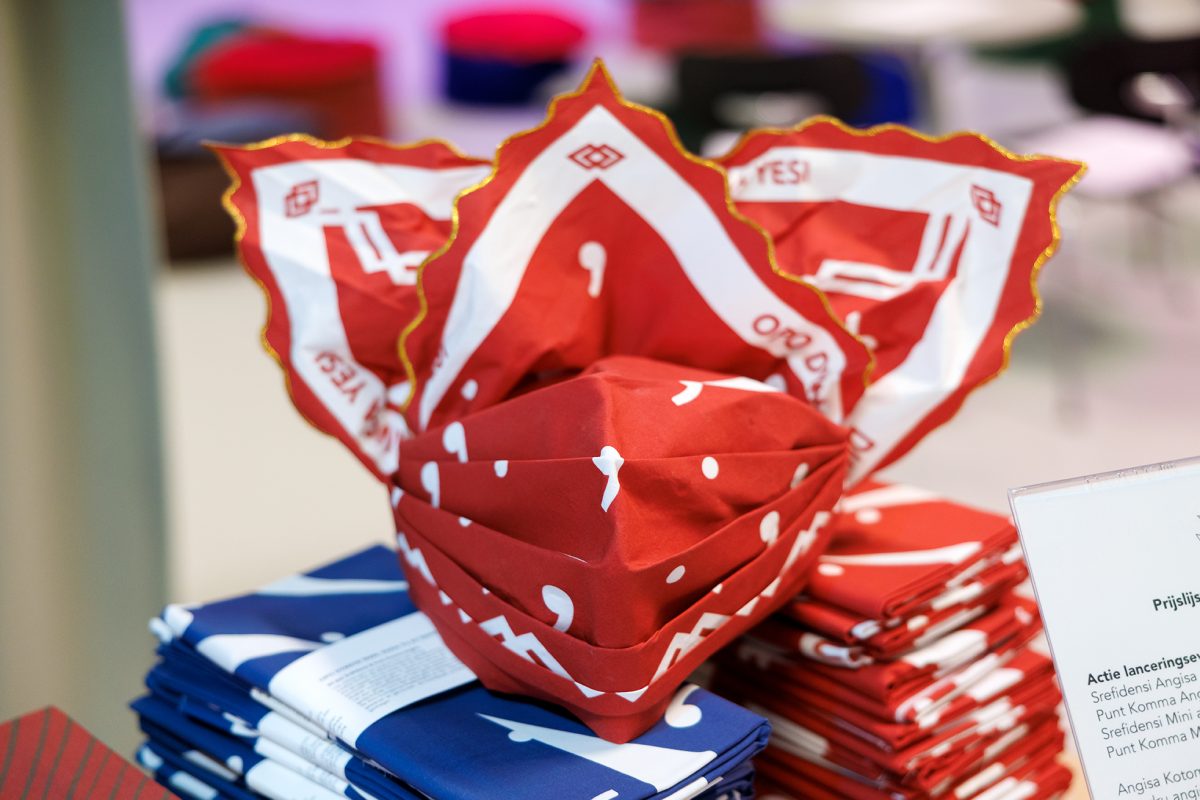
During this inspiring workshop, you will make your own Angisa: a traditional, starched headwrap with a rich Surinamese history. You will work with authentic cotton cloths from Suriname, carefully stitched, treated with cassava starch, and ironed.
Step by step – through about ten folds – you will see your unique design take shape. You will not only learn the folding technique, but also discover how shapes and lines can express a personal message. In this way, your creation becomes something meaningful that reflects who you are. Let yourself be surprised by the process, give form to your story, and experience the power of tradition and creativity in one.
At the end of the workshop, you will take home a beautiful, handmade Angisa: a striking headpiece that speaks without words.
The Angisa: a language of pride, strength, and expression
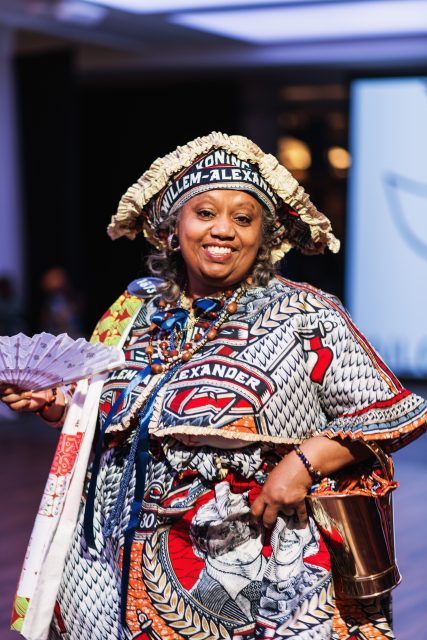
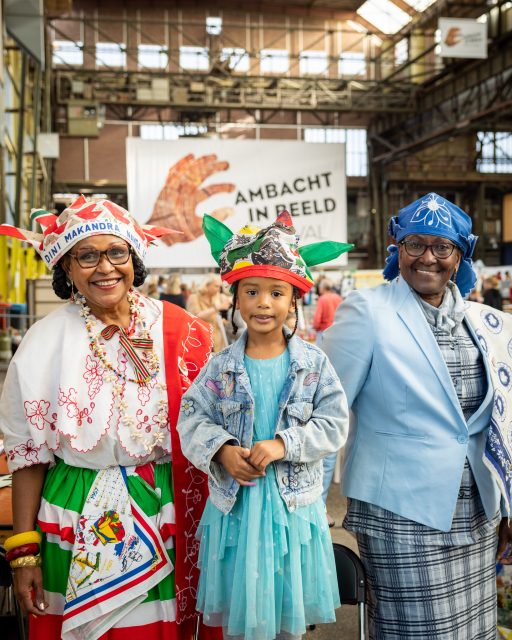
The Angisa is the showpiece of the kotomisi – the woman in traditional Surinamese dress. The way the cloth is worn immediately tells a story. Does a woman feel joyful and exuberant? Then she expresses it in a graceful Proisi ede or Pauwtere. Is she strong and determined? Then she chooses a Veda. Every fold, every style has a name and a meaning. This special knowledge has been passed down orally for generations, from mother to child. With attention, patience, and interest, one is gradually initiated into the art of folding and tying. From making the starch to carefully drying and ironing the cloth: every detail matters. Only then does the real work begin – the folding. That is where the Angisa comes to life, with its unique and expressive appearance. A striking example is the “Let them talk”: a Veda style recognizable throughout the Caribbean – powerful, elegant, and full of meaning.
Patricia Tel was born and raised in the Netherlands and has her roots in Suriname. After taking a basic course in Angisa folding, her enthusiasm was immediately sparked and her curiosity for this unique folding art grew. Since then, she has continued to deepen her knowledge of the techniques and meaning of the Angisa. She is now a certified Angisa binder. With great passion, Patricia is committed to keeping this tradition alive. Through demonstrations, lectures, and workshops, she shares her knowledge and inspires others. For her, the Angisa is more than a cloth: it is a powerful form of expression and cultural heritage.
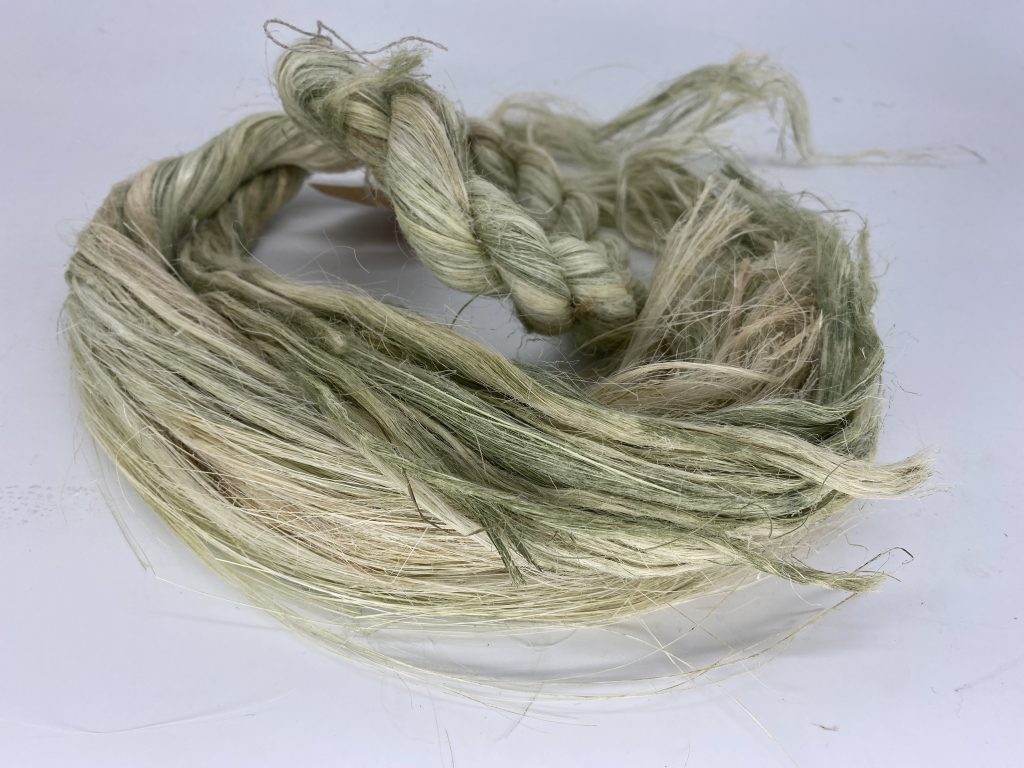
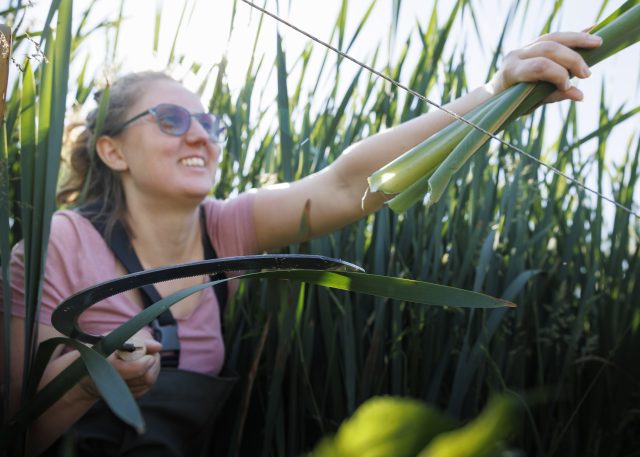
During this workshop, you will learn about the steps involved in making your own textile from the cattail plant. You will be introduced to the cattail, a plant you probably recognize by its distinctive brown flower spikes growing along the edges of ditches and ponds. You will learn about the characteristics of the plant, how it can be used, and why it differs from other textile plants that have been used for centuries.
Next, you will extract the fibers from the plant’s leaves and spin them into yarn. At the end of the workshop, you will take home a small piece of cattail yarn that you have made yourself.
For centuries, textiles have been made from plants. It is a fascinating process in which we often know the final product but no longer understand how it is made or what the plant itself looks like. Textile making is one of humanity’s oldest crafts, older than pottery or metalworking. Through industrialization, globalization, and fast fashion with synthetic fabrics, the craft of making textiles from plants in our own environment has moved into unseen factories. It is time to bring that knowledge back.
Iris Veentjer is the owner of Studio i Focus, a design studio specializing in innovative material research and experimental design. She works on freelance projects for a variety of companies and organizations while also developing self-initiated projects such as Bakkie Trots and RietGoed. Through these projects, Iris hopes not only to create beautiful products but also to contribute to the social conversation around sustainability, climate change, social awareness, and regenerative practices.
With the RietGoed project, she researches and develops the possibility of making textiles from the cattail plant. This innovative process contributes to natural soil restoration, helps prevent land subsidence, and reduces greenhouse gas emissions from peat meadow areas. In this way, textile production can contribute to making Dutch soils more resilient for the future.
This workshop is organized in collaboration with Voedselmoeras, where Iris harvests her own cattail plants.

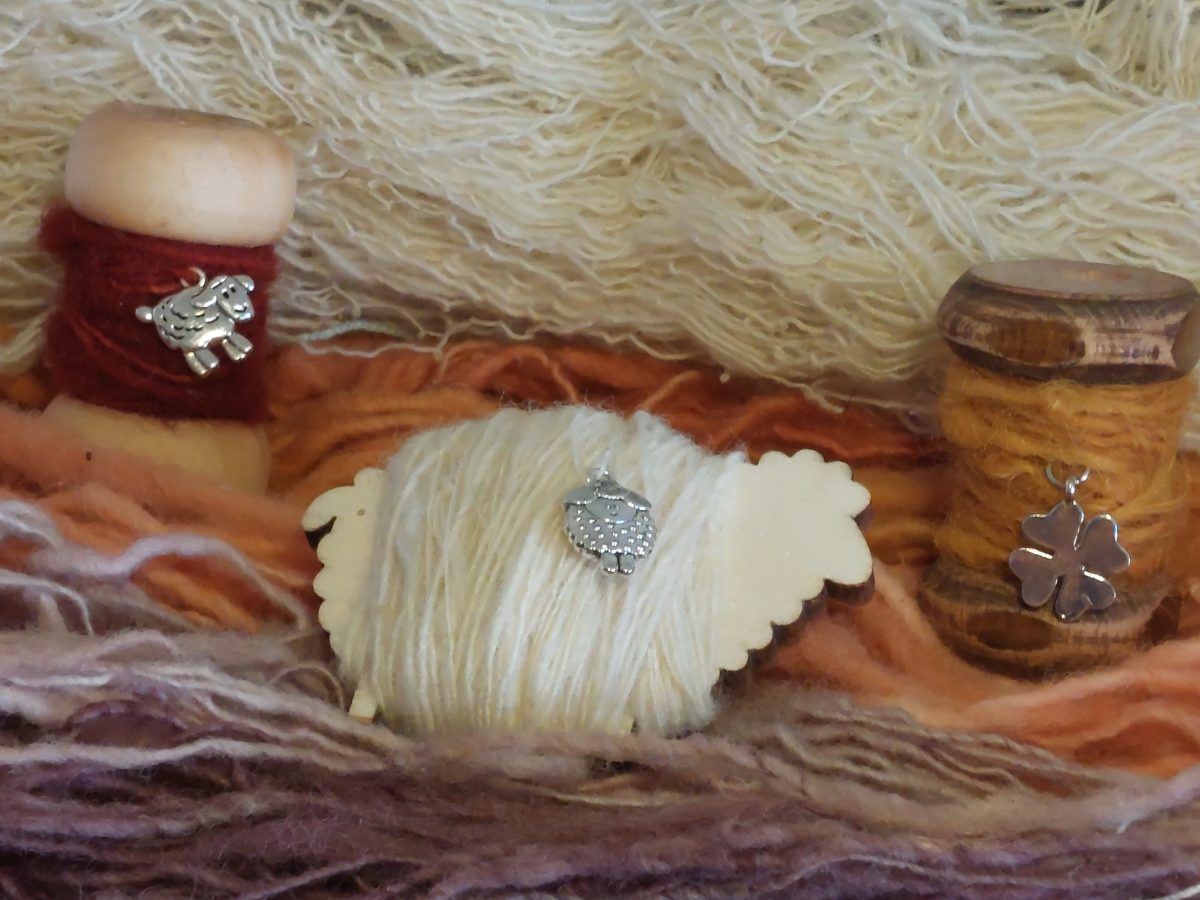
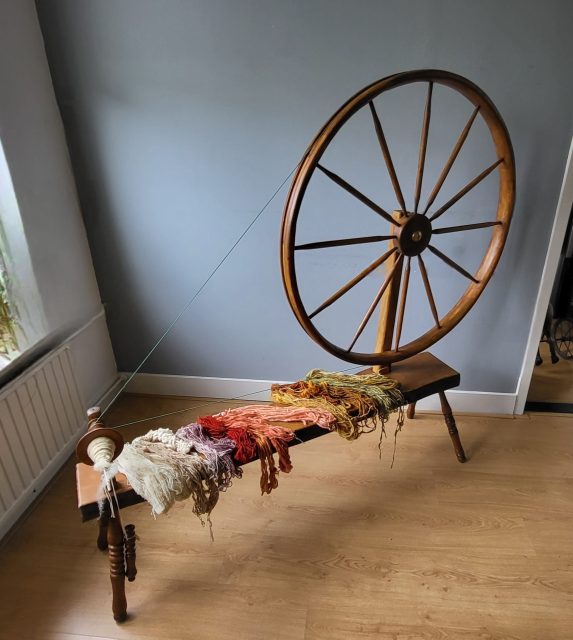
During this workshop, you will get to know the craft of wool spinning. You begin by carding the wool, preparing the fibers into a light, airy sliver. Next, you will learn to spin on a great wheel and get acquainted with the e-spinner. Step by step, you will discover how to turn loose wool into a strong, even thread. You will work with authentic materials and tools, such as wool carders, spinning wheels, and carefully selected types of wool. There is plenty of space to practice.
At the end of the workshop, you will take home a bobbin or little “sheep” filled with your own spun wool, along with the basic skills to continue experimenting with this beautiful craft.
Wool spinning is a calming and creative craft that has been passed down for centuries. From soft, raw wool to a beautifully spun thread: with patience and attention, you create something unique with your own hands. The rhythm of spinning brings relaxation and helps you escape the rush of everyday life.
What makes it special is that each sheep breed has a different coat length and thickness, and therefore different qualities. After spinning, you can use the yarn for weaving, knitting, crochet, or other techniques, creating a product from start to finish.
At ’t Lavenhofje, learning the craft of wool processing is central, with a unique combination of historical knowledge and modern techniques. Everything related to wool work is developed and made here in-house, from a historical great wheel to modern e-spinners.
Iris Laven and the instructors are skilled craftspeople who master the entire process: from shearing the sheep to naturally dyeing the wool with plant-based colorants. They spin their own yarns and transform them into unique creations, such as sweaters, scarves, and wall hangings. They are happy to share this passion and knowledge, where sustainability, craftsmanship, and creativity go hand in hand.
Since 2016, they have been organizing the Wolspektakel, a wool holiday in South Limburg, wool routes with guided visits to the wool carding workshop, as well as wool tours abroad.
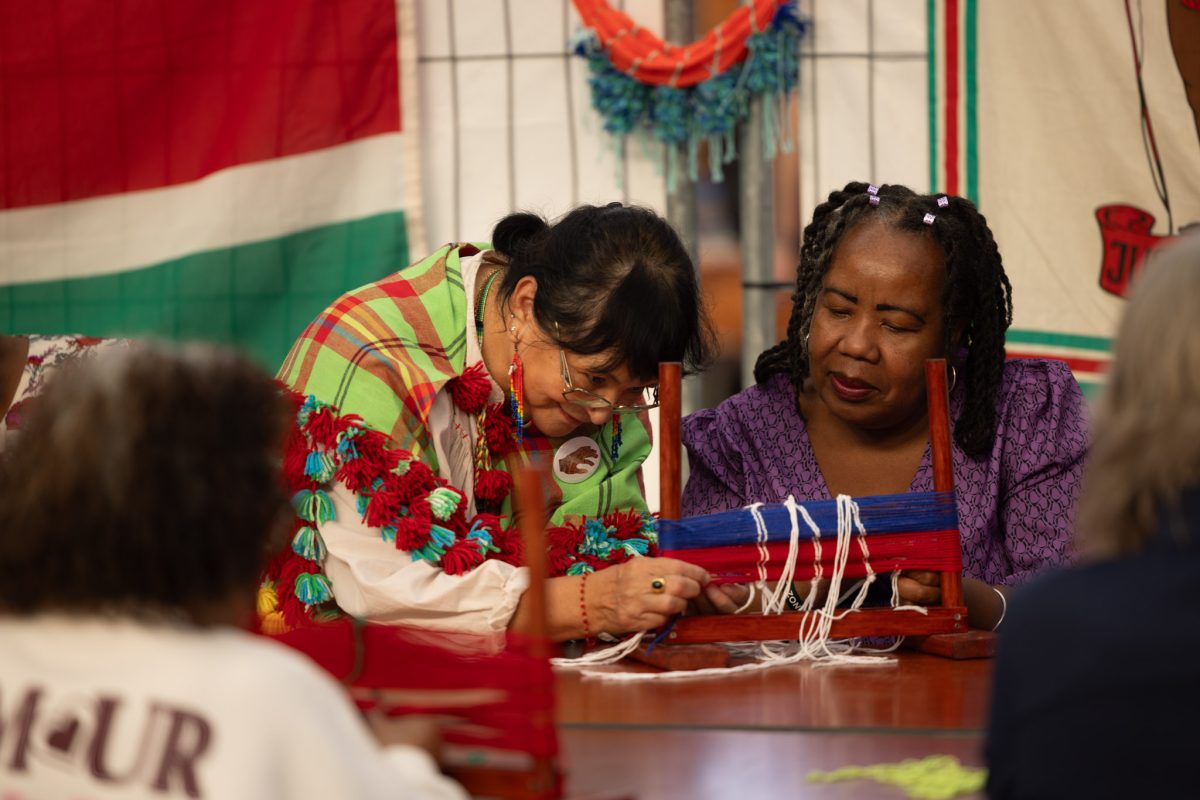
In the workshop “The Lost Art of Surinamese Hammocks”, you will learn how to make your own mini hammock on a weaving frame under the guidance of Carla & Martha Sabajo.
Step into the nearly forgotten world of traditional hammock making: an ancient Lokono craft from Suriname. This special technique, carried by only a few remaining Indigenous masters, is on the verge of disappearing. Experience how this ingenious creation comes to life, step by step and knot by knot. This is more than a creative experience, it is your chance to help preserve a fading tradition.
You will go home with your own mini hammock.
There are still very few indigenous knowledge holders who master and can pass on the traditional craft of hammock making. This technique originates from Suriname and is practiced by the Lokono, one of the indigenous peoples of this region. The hammock is made from palm fibre or cotton. The process includes preparing the raw material from plant fibre or cotton, cleaning and de-seeding, forming and spinning yarn, weaving, and knotting. An original hammock is an efficient invention designed for mobility, highly durable and environmentally friendly. It dates back to the time when Indigenous peoples lived nomadically, moving from place to place with minimal possessions.
Carla, Martha Sabajo and Marilyn van Rijn, born in Suriname, are proud cultural carriers of the Lokono community. As members of Stichting Wasjikwa, they dedicate their time to preserving and passing on Indigenous cultural heritage. Their motivation comes from a deep connection to their roots. They believe that craft techniques can never be separated from the stories, values, and spirituality that are woven into them. For Carla, Martha, and Marilyn, passing on Indigenous skills goes far beyond teaching techniques; it is about sharing an entire way of life.
During their workshops, they create a warm community atmosphere where participants not only learn skills, but also hear personal stories about the importance of community.

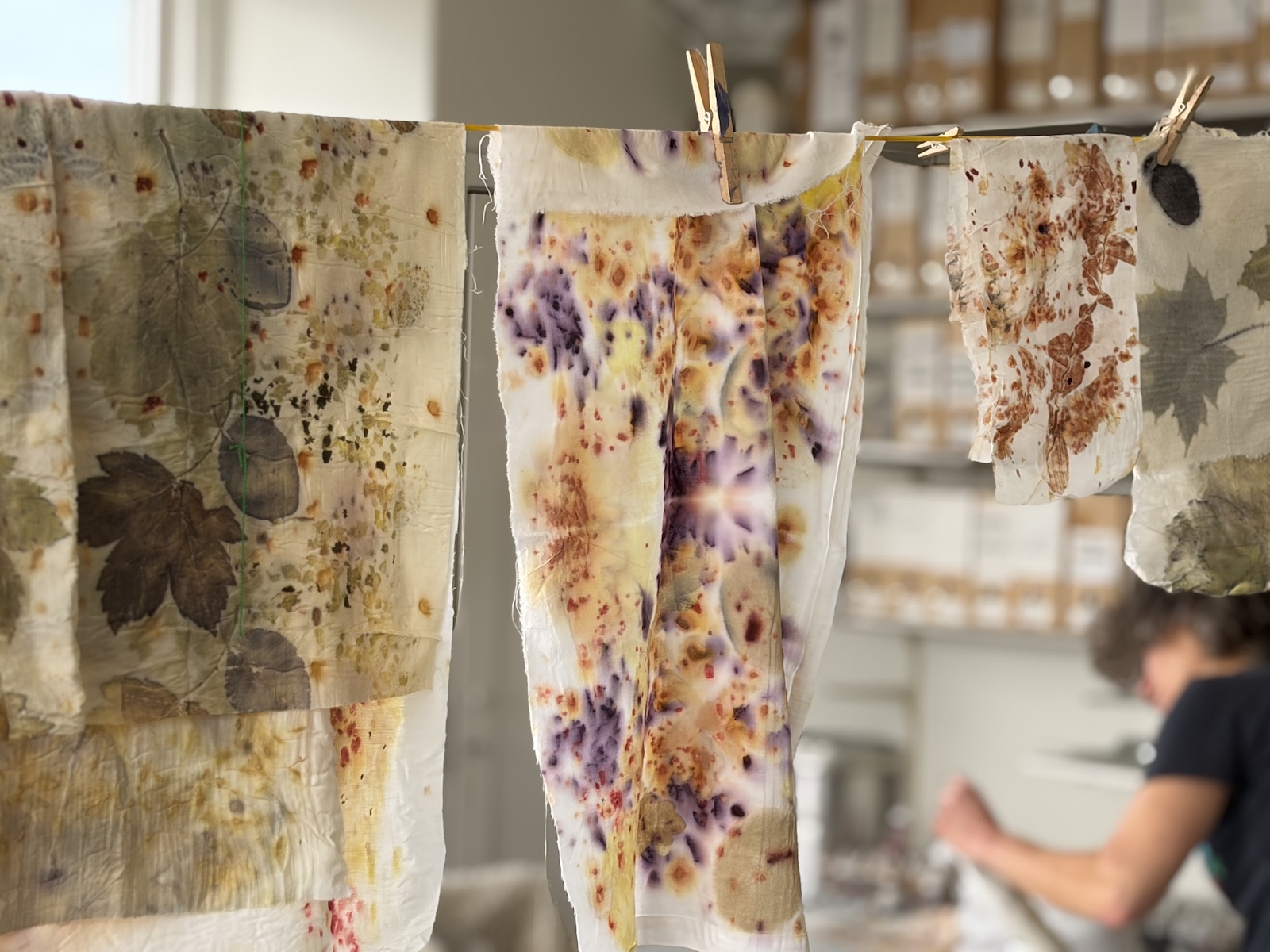
In this workshop, you will print a soft, breezy scarf made of Etamine de Laine with your own pattern of different leaves. The teachers of Textielinstituut Hawar know exactly how to guide you through this process and will teach you about the natural dyes of various leaves and how to achieve a beautifully sharp print.
For the workshop, you don’t need to bring anything yourself; there is an extensive selection of leaves available. However, if you enjoy experimenting, you can also bring your own plant, tree, or flower leaves. The colour they release is a surprise, often making the result even more beautiful.
Leaves can transfer natural colour onto fabric. In eco dyeing – also known as plant printing – a pattern is printed onto fabric using leaves from different plants. Since the books by India Flint, this dyeing technique has become increasingly popular. The art lies in ensuring that the leaf does not only leave a coloured stain, but that even the veins remain visible in the print.
You will go home with your own scarf! Part of the workshop includes the fixing process, which takes about an hour. You don’t need to wait for it, but please note that you won’t be able to take your scarf home immediately after the workshop.
Floor de Bruijn runs the family business Hawar Textielinstituut, which was built by Meinie Wardenier and Harm Harms. National and international teachers share their knowledge and skills in the large, atmospheric studio in Oldeberkoop, focusing on textile crafts and textile art. In addition, there is an extensive shop and an inspiring gallery, making it a creative hub where new and traditional materials and textile techniques are (re)discovered. During the festival, Floor and her team lead the workshops.


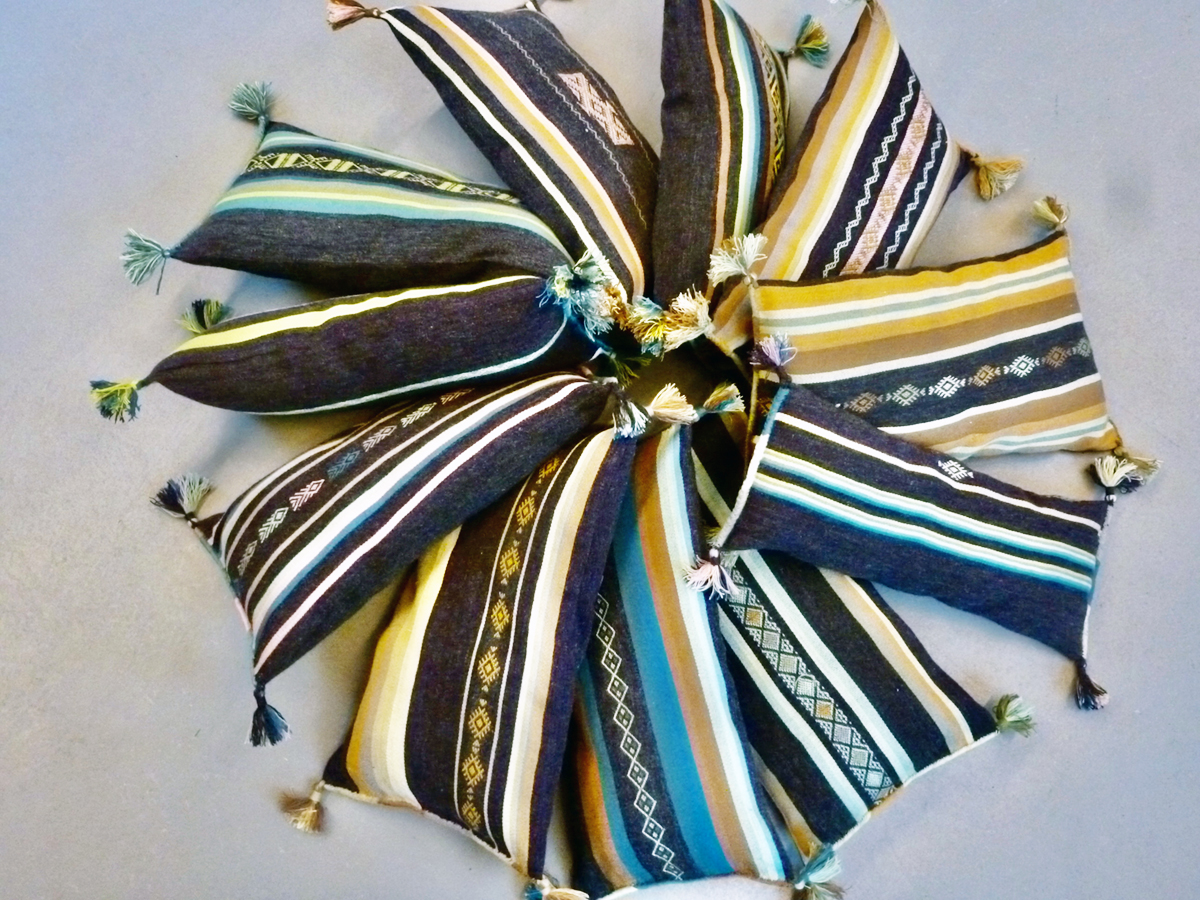
During this masterclass, you will experience what it is like to create something entirely from scratch. A threaded loom with wool warps is ready for you. You start by weaving the back side. You choose a color and learn how to wind a bobbin. Then you begin weaving with a shuttle. The foundation is the simplest weave structure: plain weave. After that, you will try your hand at creating small patterns. If this works out, you design what the front of your cushion should look like and weave it. After the festival, the cushion will be sewn together for you and sent to you by post.
Weaving is Mirja Wark’s great passion. After studying weaving in the United States and Belgium, she ran the hand weaving school De Binding in Utrecht. She lived for many years in Venezuela, Oman, Syria, and Libya. There she researched traditional textile techniques, organized textile journeys, and designed unique woven artworks. She also created the book Si’ira, about the belt weavings of the Wayuu weavers from the Guajira region, the northern border area between Venezuela and Colombia.
Since 2011, Mirja has been running the weaving center Golden Haand, where you can learn the basics of weaving as well as more complex techniques and ethnic patterns. She weaves functional textiles and occasionally an artwork. In 2026, her guide Learning to Weave will be published, a step-by-step guide for anyone who wants to get started with weaving.

Duo workshop for 1 adult with 1 child (1 ticket is valid for 1 duo)
In this duo workshop for parent and child, you will get acquainted with the Japanese Shibori technique. You will learn to experiment with different natural dyes and create shapes and patterns by folding, clamping, and tying fabric.
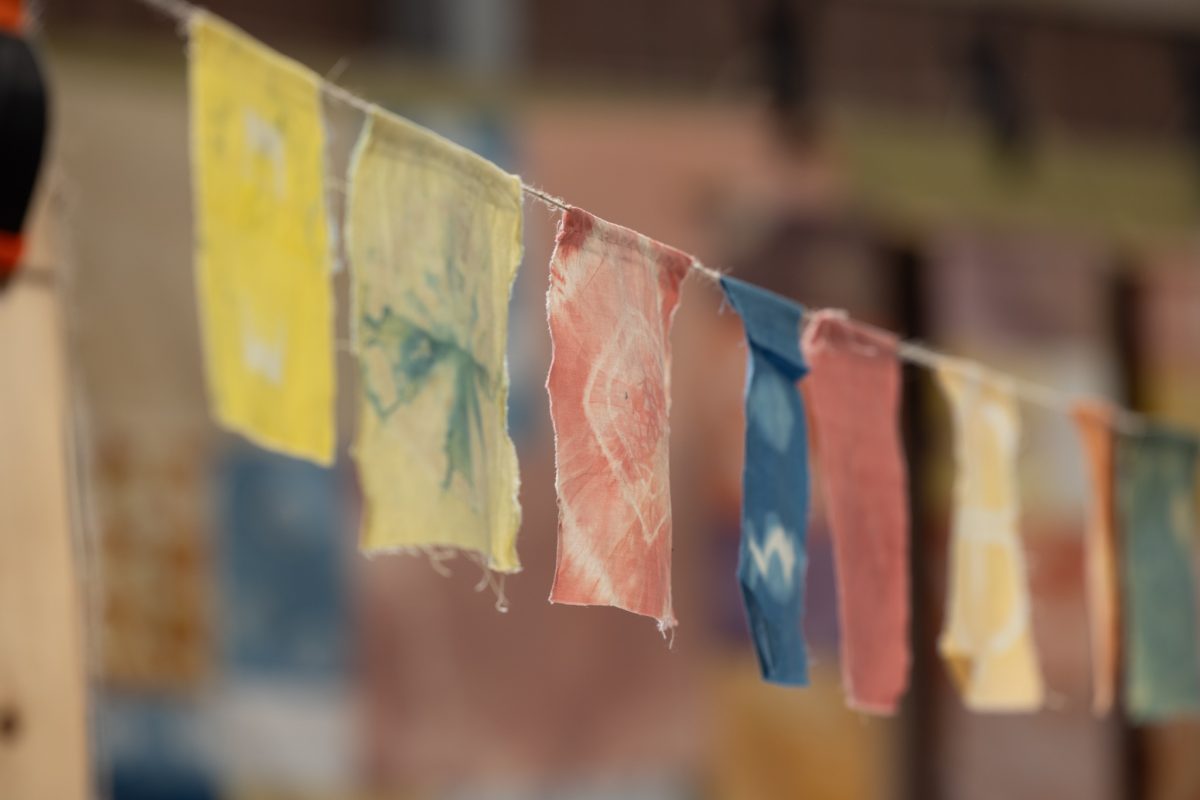
During this dye workshop, you will work with natural dyes to create a unique party garland. You will experiment with plant-based colors such as indigo, madder, onion skins, turmeric, reseda, and logwood. You will learn how the natural dyeing process works, how to create patterns using the Shibori technique, and how to mix colors by dyeing fabric layer by layer.
Together, you will make 20 flags, enough for a beautiful, personal garland that you can take home and that will last a lifetime.
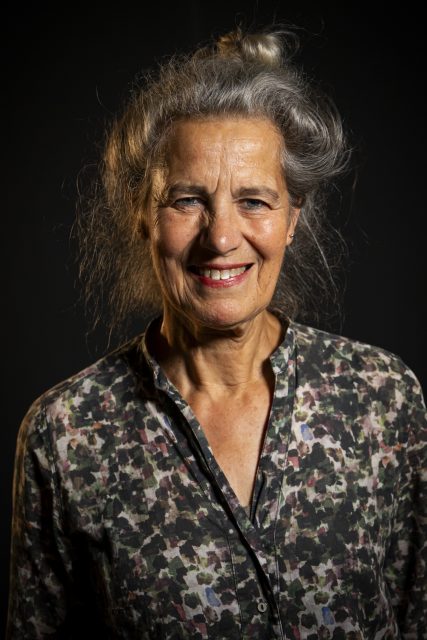
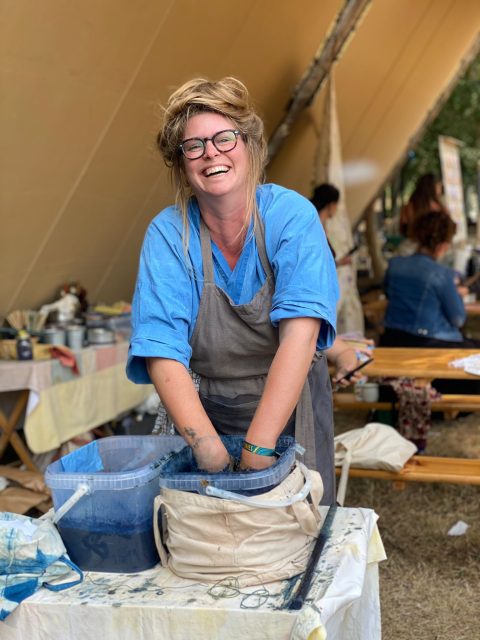
Marte Haverkamp is a visual artist who gives a contemporary twist to the traditional craft of natural dyeing. She works with dyes from plants, flowers, and kitchen waste to color textiles in a sustainable way. Each color is an interplay between material, time, and attention. It is a process that requires patience, experimentation, and connection with nature. In her workshops, Marte shows how this age-old technique remains accessible and relevant in today’s world.
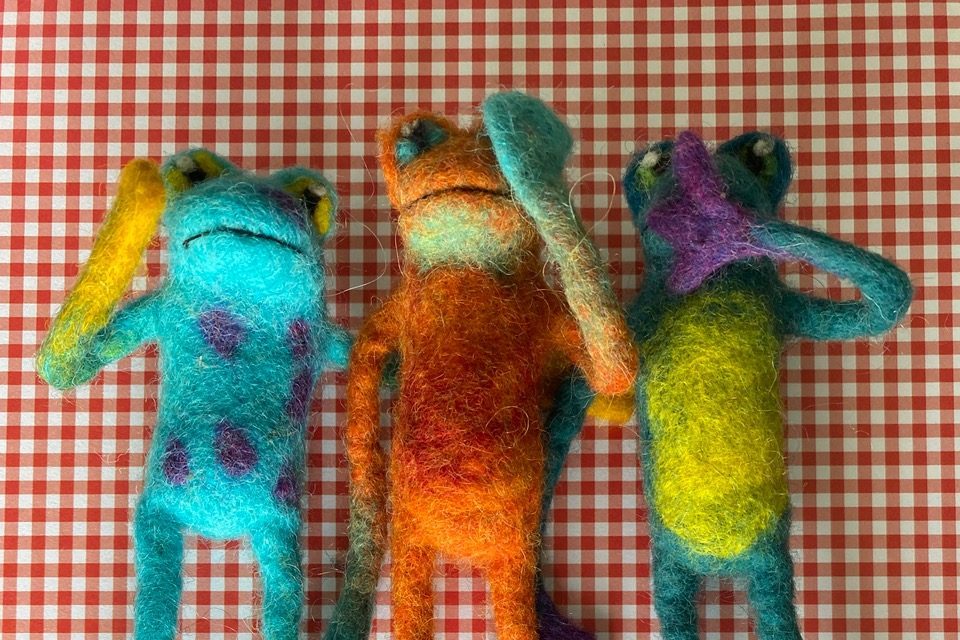
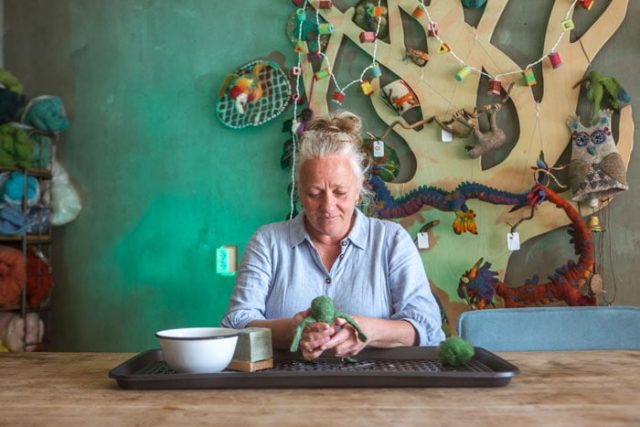
Felt-making is an ancient technique that has taken on new forms over the years. In this workshop, you will learn the first steps of felting wool using the build-up technique. You will work with the wet-felting technique, which involves wool, water, and soap. Once you understand this technique, you can create any animal. After making the basic shape, body, and head, the arms and legs are connected. Then the real work begins: felting the wool. When the frog is sufficiently felted, the eyes are added using a felting needle. During this workshop, you will make one frog.
Jolanda Smit discovered felting 20 years ago. From that moment on, it became the material she only wanted to work with. The possibilities are endless, and all you need is wool, water, and soap to create the most beautiful forms. From De Vrolijke Kikker, she gives workshops and sells her own work. The animals she creates are usually made from wool from Tyrolean mountain sheep, sometimes from merino wool. They each have their own character, but are all cheerful.
Festival address:
NDSM Loods
NDSM-Plein 85
1033 WC Amsterdam
Postal address:
Stichting Ambacht in Beeld
Kalf 158
1509AH Zaandam
The Netherlands