Step into the world of a student at Hout- en Meubileringscollege (HMC). In the Creative Craftsmanship programme, students learn to combine the latest techniques with traditional crafts.
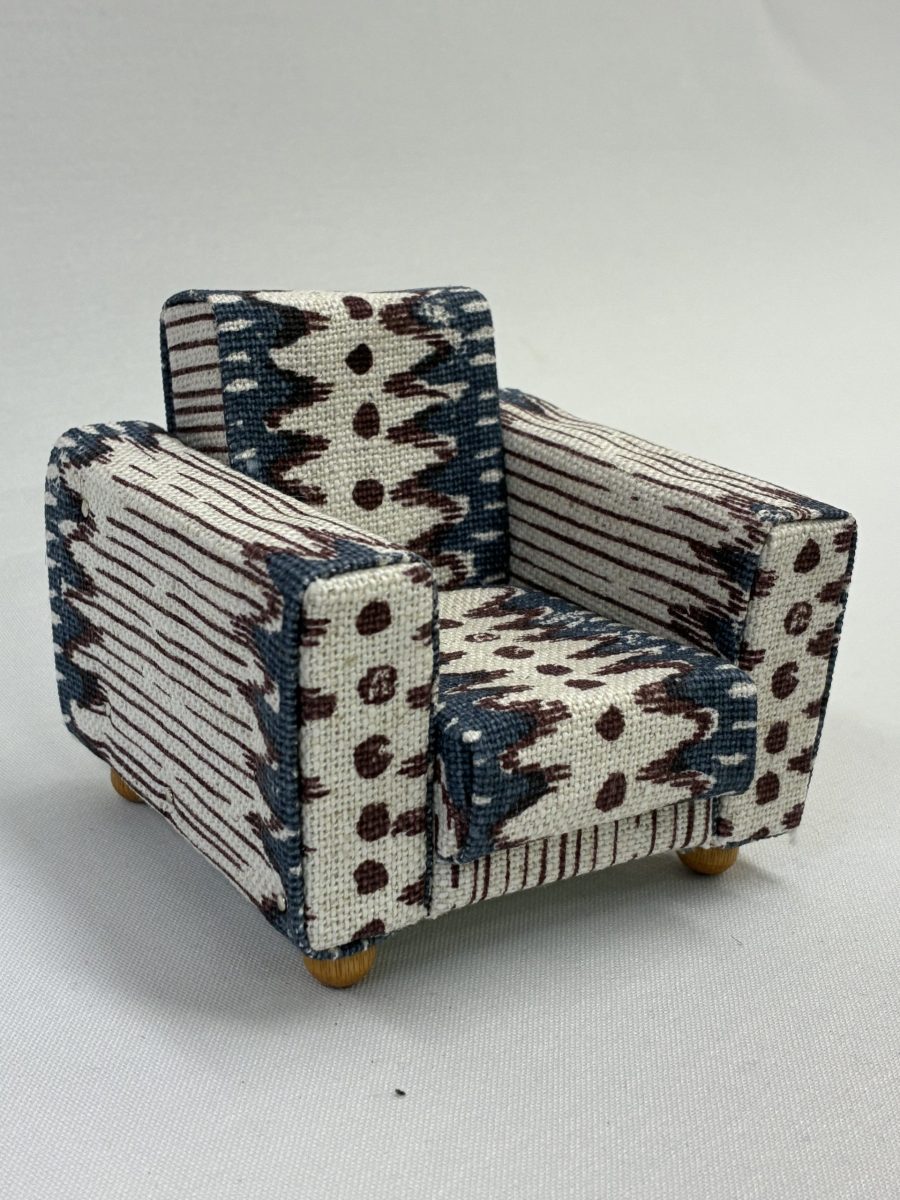
In this workshop, you will create a miniature chair, also known as a prototype. This allows you to discover and practise important techniques from the upholstery craft.
When upholstering a chair, it is important to determine the order of the different steps beforehand, so the chair can be finished beautifully as a whole. You will learn how to work with fabrics: which fabrics can be used, how to follow the direction of the fabric, what working with the grain means, and how to apply tension to the fabric.
You will create a small chair using a frame made of foam blocks, allowing you to stretch and attach the fabrics easily with pins. The fabrics and foam materials are leftover materials from other projects. At the end of the workshop, you will have upholstered a miniature chair with a fabric of your choice and finished it with original legs.
The Hout- en Meubileringscollege has been an independent vocational college (MBO) since 1929, training students to become creative professionals who have a place in the labour market now and in the future. It is a relatively small school, creating a personal atmosphere and a safe learning environment. HMC offers programmes in areas such as furniture making, interior design consultancy, creative craftsmanship, residential sales, carpentry, furniture upholstery and piano technology. The school also offers courses and training programmes for adults. In the Creative Craftsmanship programme, students learn to combine the latest techniques with traditional crafts.

Step into the world of a student at Hout- en Meubileringscollege (HMC). In the Creative Craftsmanship programme, students learn to combine the latest techniques with traditional crafts.
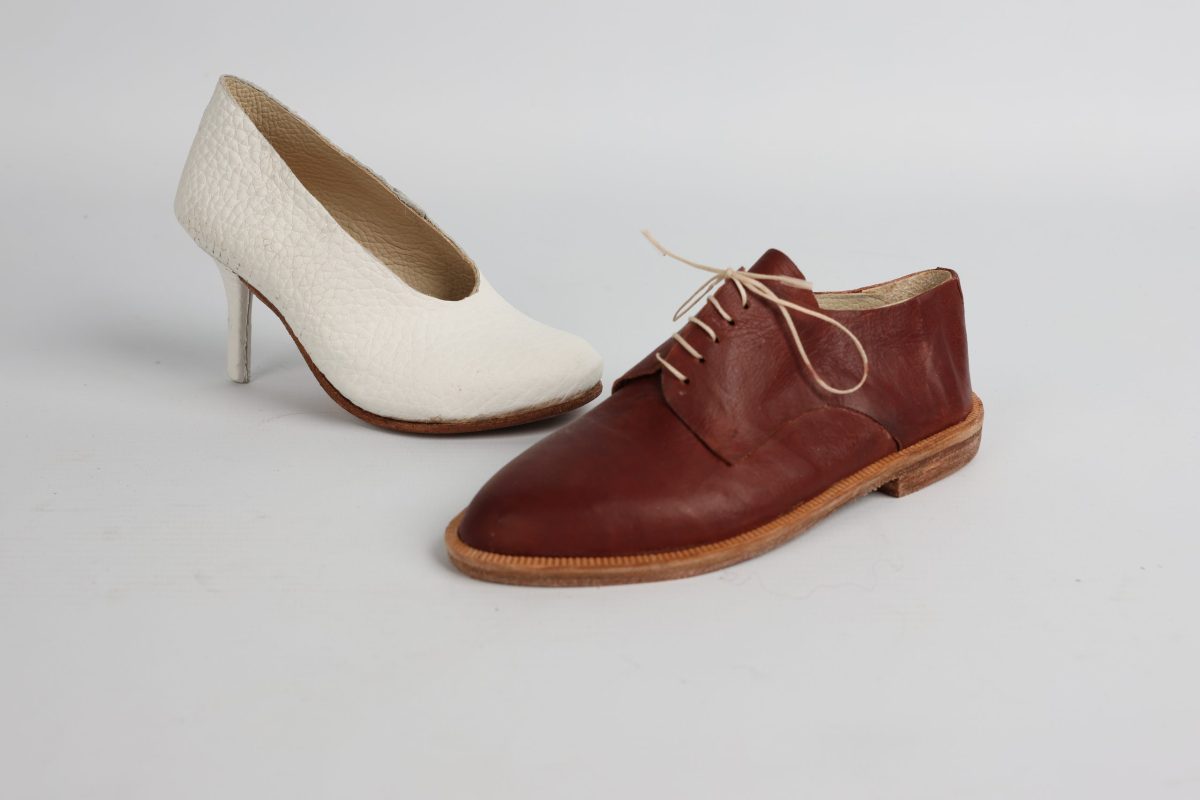
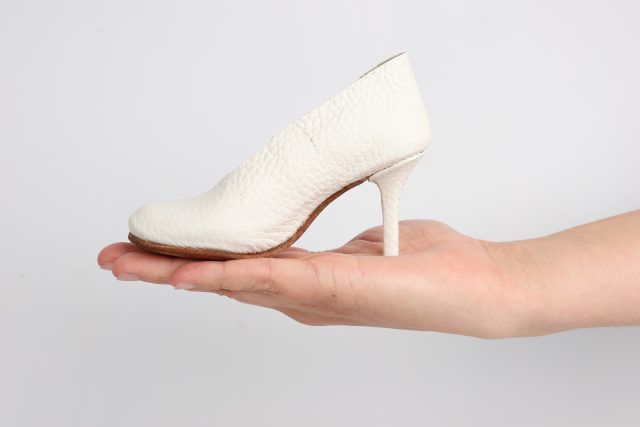
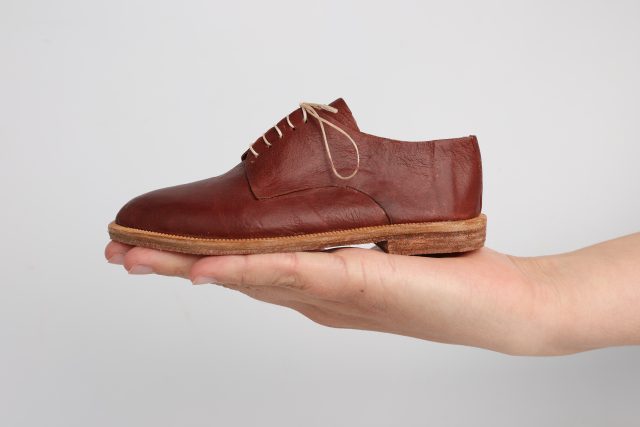
Do you love shoes? Have you always wanted to know how a traditional shoe is constructed? In this workshop, you will assemble a miniature shoe under guidance. You will discover the different components that make up a shoe, how a shoe is shaped around a last, and how the sole is built up.
You can choose between a men’s model (the Derby) or a women’s model (a pump with a high heel). These are adult shoe designs, recreated in miniature scale.
We assume you have an interest in making small objects. This workshop requires some dexterity and patience, as you will work with very sharp tools and use quite a lot of Velpon glue, which means your hands and clothes may get dirty. Therefore, the minimum age is 15 years. No sewing machine experience is required, as we will not be using one during the workshop.
At the end of the workshop, you will go home with a handmade miniature shoe and, if you did not already have it, an even greater appreciation for traditionally made shoes.
The Hout- en Meubileringscollege has been an independent vocational college (MBO) since 1929, training students to become creative professionals who have a place in the labour market now and in the future. It is a relatively small school, creating a personal atmosphere and a safe learning environment. HMC offers programmes in areas such as furniture making, interior design consultancy, creative craftsmanship, residential sales, carpentry, furniture upholstery and piano technology. The school also offers courses and training programmes for adults.
Step into the world of a student at Hout- en Meubileringscollege (HMC). In the Creative Craftsmanship programme, students learn to combine the latest techniques with traditional crafts.
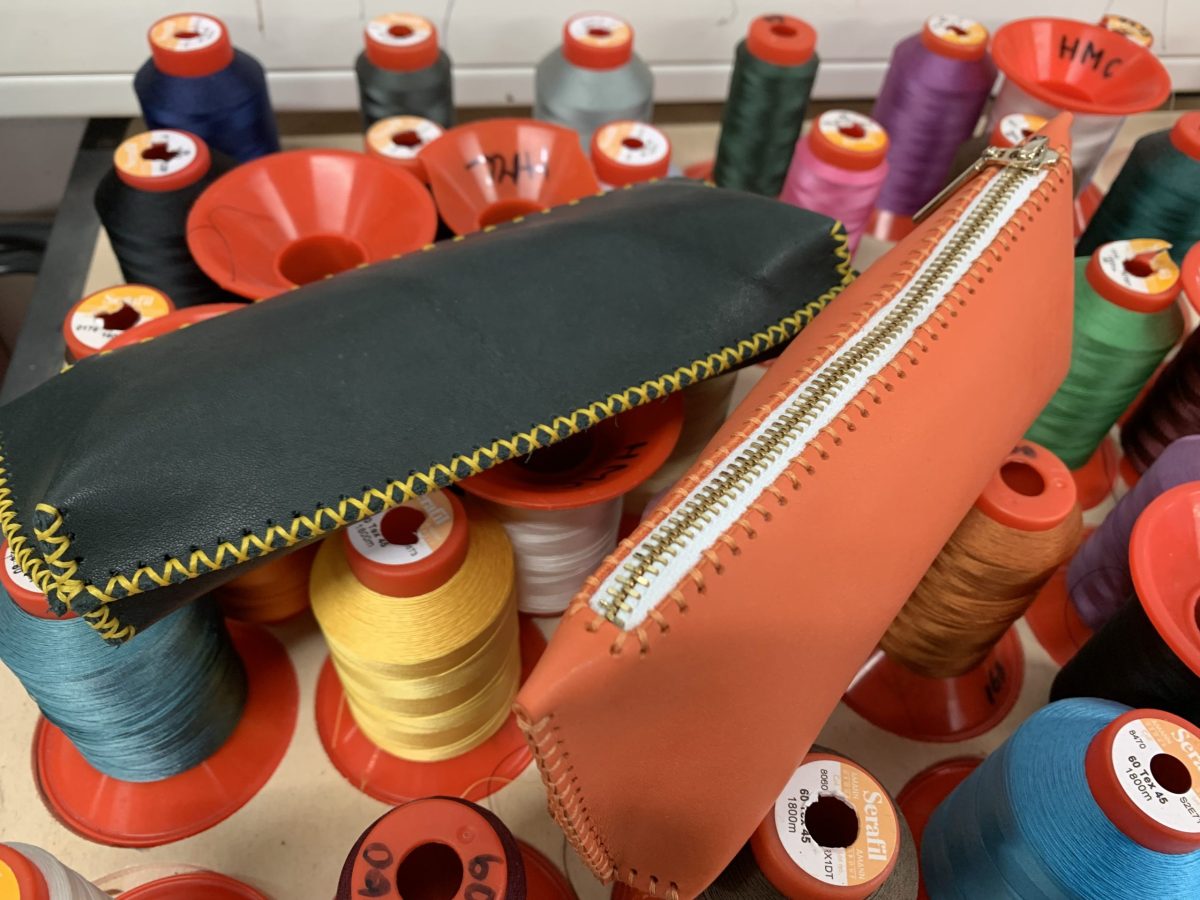
During this workshop, you will work with leather, a metal zip and waxed thread. You will learn step by step how to assemble the pouch by hand, using stitches such as the blanket stitch, running stitch or cross stitch, to create a beautiful final result. The workshop is suitable for everyone, regardless of experience. We use basic techniques and work with high-quality materials. After the workshop, you will take home a handmade, hand-stitched make-up bag/pouch.
The Hout- en Meubileringscollege has been an independent vocational college (MBO) since 1929, training students to become creative professionals who have a place in the labour market now and in the future. It is a relatively small school, creating a personal atmosphere and a safe learning environment. HMC offers programmes in areas such as furniture making, interior design consultancy, creative craftsmanship, residential sales, carpentry, furniture upholstery and piano technology. The school also offers courses and training programmes for adults.

During the Ambacht in Beeld Festival, one of the master diamond polishers from GASSAN Diamonds will give an exclusive one-on-one masterclass in which you will polish your own diamond together.
Polishing rough diamonds is a craft that has been practised in Amsterdam for centuries. Diamond is the hardest material on Earth and can only be worked using another diamond. Using a diamond polishing wheel, the diamond polisher transforms rough crystals into the most dazzling gemstones.
GASSAN Diamonds is a renowned family business in Amsterdam specialising in diamonds, jewellery and watches. Founded in 1945 by Samuel Gassan, the company has grown into a leading player in the diamond industry, with a strong focus on craftsmanship and quality.

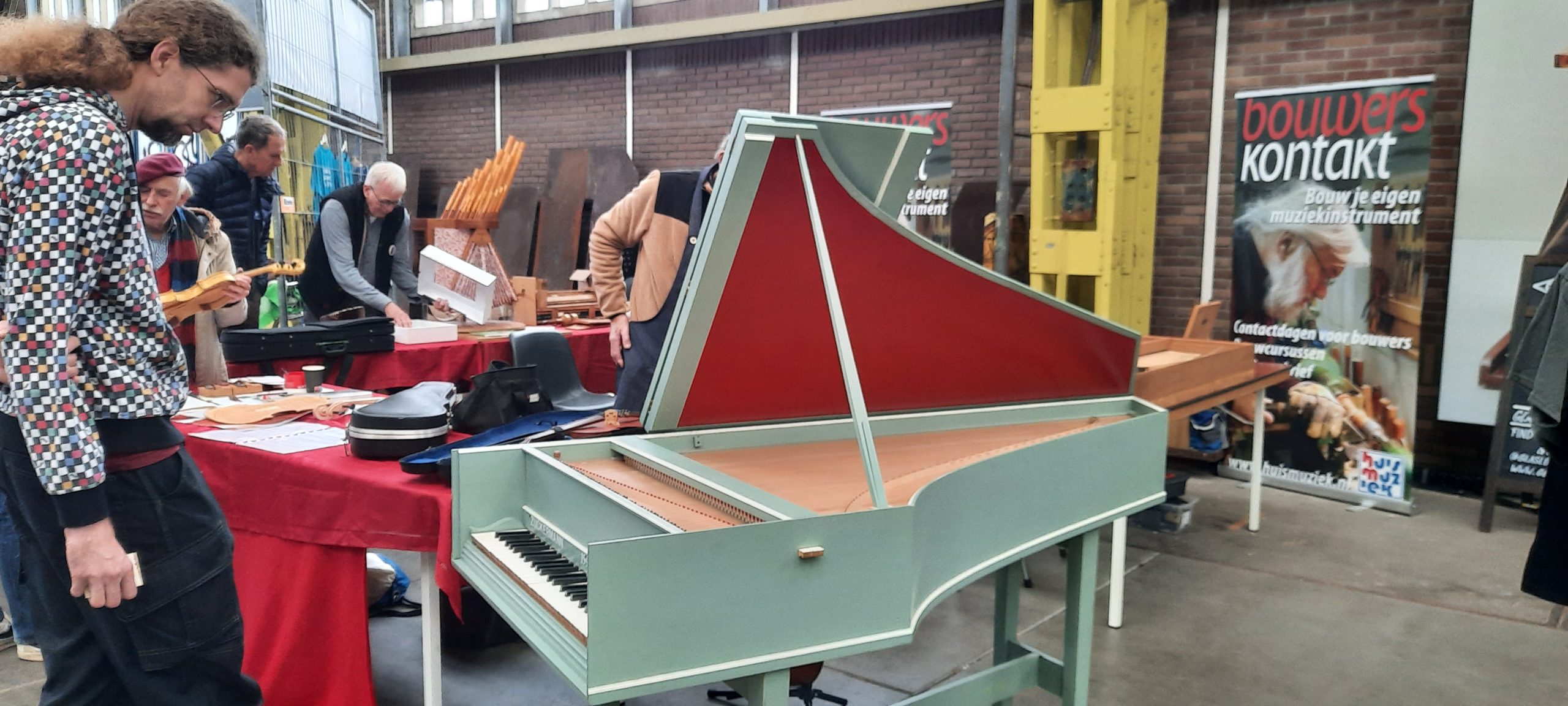
Bring your bowed instrument, guitar, or ukulele for a check-up or minor maintenance to the Bouwerskontakt repair shop stand!
Of course, you can also get information about courses, maintenance, and repairs. The instrument-building groups for bowed instruments, guitar building, harpsichord building, and barrel organ building will all be present.
Do you want to learn a new skill yourself? During the festival, Bouwerskontakt is also offering workshops in bending wood with a bending iron and violin making: carving an f-hole.
If you are interested in building a musical instrument, at Bouwerskontakt, you can learn how. Of course, building a complete instrument by hand takes time. During the workshops at the Ambacht in Beeld Festival, you can learn to make a part and get acquainted with some of the skills and techniques.
Bouwerskontakt is part of Huismuziek, an association for music and instrument building, with the aim of exchanging, making available, expanding, and spreading knowledge and experience about instrument making. Members range from hobbyists to professional builders and make both historical and modern instruments, such as guitars, violins, harpsichords, organs, barrel organs, and recorders. Most activities take place at Houtclub-Ede.

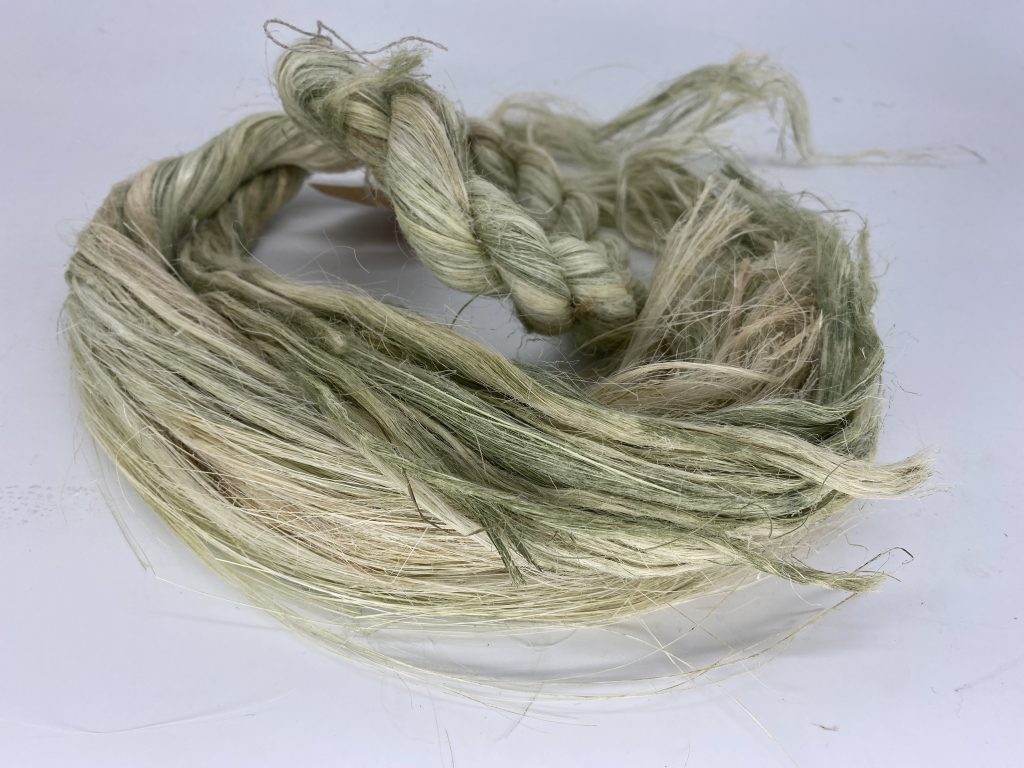
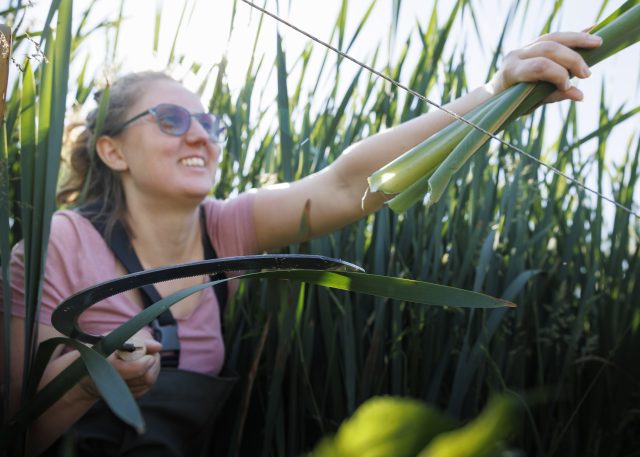
During this workshop, you will learn about the steps involved in making your own textile from the cattail plant. You will be introduced to the cattail, a plant you probably recognize by its distinctive brown flower spikes growing along the edges of ditches and ponds. You will learn about the characteristics of the plant, how it can be used, and why it differs from other textile plants that have been used for centuries.
Next, you will extract the fibers from the plant’s leaves and spin them into yarn. At the end of the workshop, you will take home a small piece of cattail yarn that you have made yourself.
For centuries, textiles have been made from plants. It is a fascinating process in which we often know the final product but no longer understand how it is made or what the plant itself looks like. Textile making is one of humanity’s oldest crafts, older than pottery or metalworking. Through industrialization, globalization, and fast fashion with synthetic fabrics, the craft of making textiles from plants in our own environment has moved into unseen factories. It is time to bring that knowledge back.
Iris Veentjer is the owner of Studio i Focus, a design studio specializing in innovative material research and experimental design. She works on freelance projects for a variety of companies and organizations while also developing self-initiated projects such as Bakkie Trots and RietGoed. Through these projects, Iris hopes not only to create beautiful products but also to contribute to the social conversation around sustainability, climate change, social awareness, and regenerative practices.
With the RietGoed project, she researches and develops the possibility of making textiles from the cattail plant. This innovative process contributes to natural soil restoration, helps prevent land subsidence, and reduces greenhouse gas emissions from peat meadow areas. In this way, textile production can contribute to making Dutch soils more resilient for the future.
This workshop is organized in collaboration with Voedselmoeras, where Iris harvests her own cattail plants.

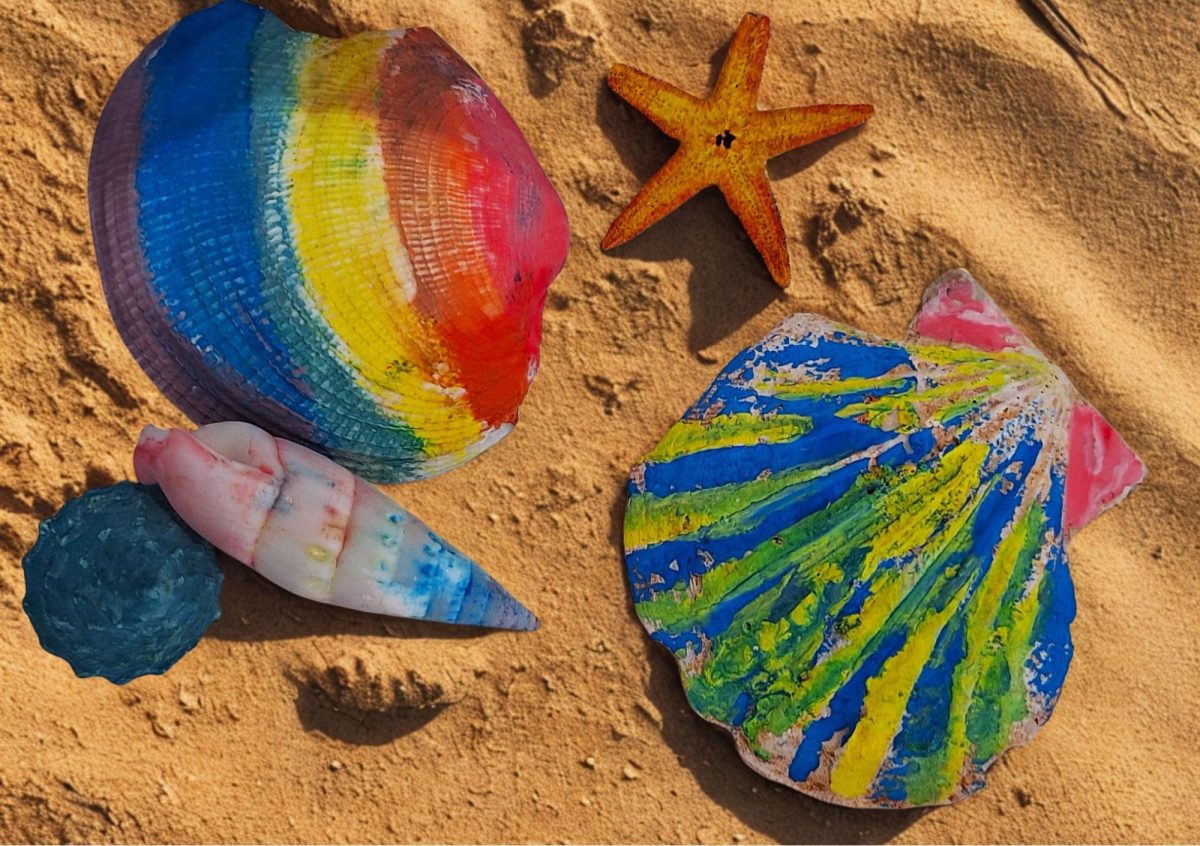
Did you know that a seashell was once the home of a sea creature, such as a snail or a mussel? The animal built its shell layer by layer, all by itself, over many years. Some of the shells you find on the beach can be decades old and may have traveled through the sea for all that time before reaching you.
Just like a shell has a long history, so do you! Your family, your ancestors, have also traveled a long journey before you came into the world.
During this workshop, you will work with a large, beautiful shell that will become your own! You will paint it in your own style, using colors and decorations that reflect your family and your history.
First, we will tell you more about why it is so important to know where you come from and how you can connect with your ancestors. With that thought in mind, you will decorate your shell in whatever way feels right to you.
Paint, brushes, and all decorative materials will be provided. All you need to bring is your creativity.
At the end of the workshop, you will receive a small box to take your shell home safely. Place it somewhere special in your home, on a shelf or a small altar. Every time you look at it, you can take a moment to reflect on your ancestors and where you come from.
Carla, Martha Sabajo, and Marilyn van Rijn, born in Suriname, are proud cultural bearers of the Lokono community. As members of Stichting Wasjikwa, they dedicate their time to preserving and passing on indigenous cultural heritage. Their motivation comes from a deep connection to their roots. They believe that traditional craft techniques can never be separated from the stories, values, and spirituality woven into them. For Carla, Martha, and Marilyn, passing on Indigenous skills goes far beyond teaching techniques; it is about sharing an entire way of life.
During their workshops, they create a warm sense of community where participants not only learn practical skills but also hear personal stories about the importance of community.
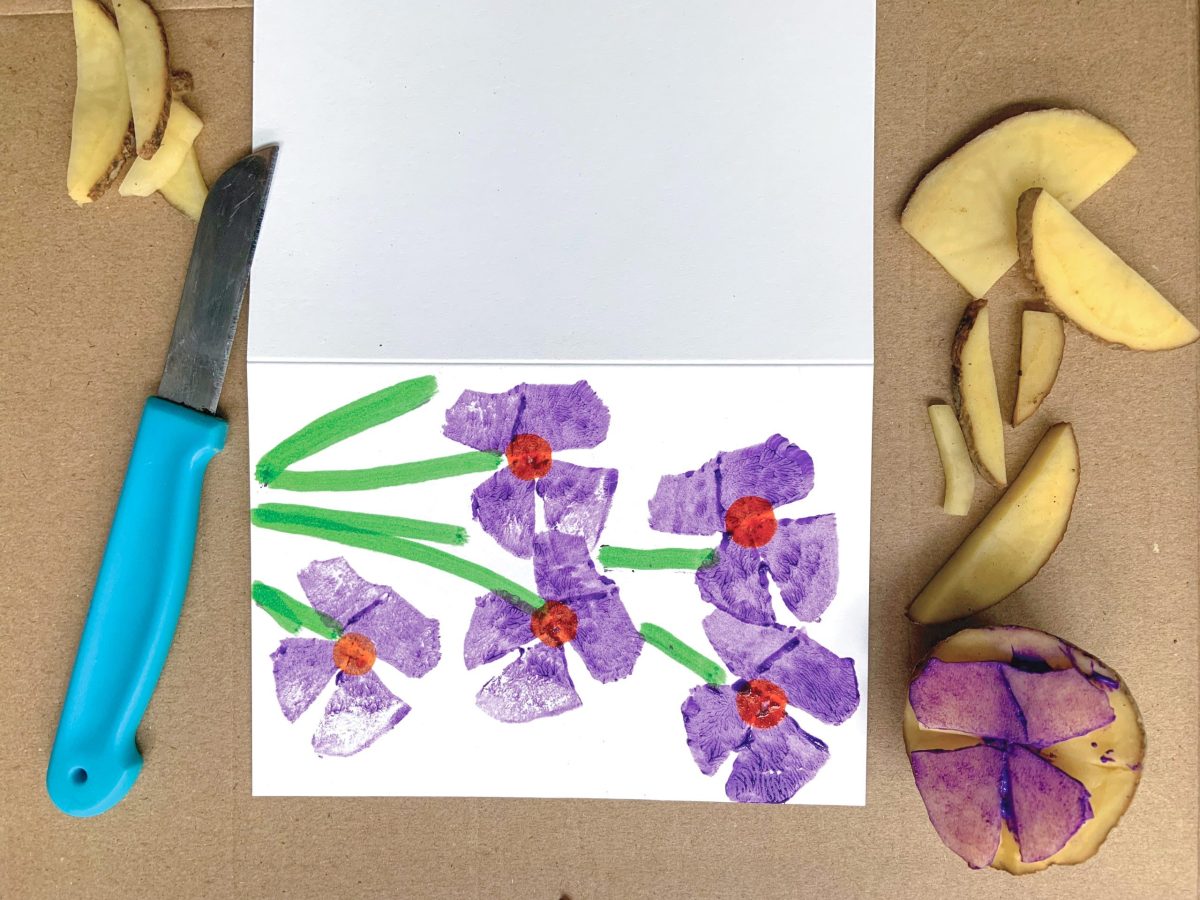
Discover how to create something special from an everyday material. In this workshop, you will design and print a series of unique cards using hand-carved potato stamps. It is a simple, creative technique that shows you don’t need much to achieve a beautiful result. You will learn how to carve shapes into potatoes, how to use them as stamps, and how to create your own designs using colour, pattern, and composition. We work with potatoes, acrylic paint, and paper, with a strong focus on creative reuse and sustainable materials.
This workshop is suitable for all ages and levels. At the end, you will go home with a set of hand-printed cards and inspiration to continue working creatively and sustainably with simple materials at home.
Lisa Dröes is an illustrator and typographer. She studied Illustration at HKU and then specialised in typography at the University of Reading in the United Kingdom. Alongside her work as an illustrator and graphic designer, she focuses on hand-printing small editions of cards. From her studio in the NDSM-loods in Amsterdam, she works on projects where typography, print techniques, and visual research come together. Using a 140-year-old printing press, she brings contemporary designs to life in an artisanal way. Her practice is characterised by a constant curiosity about materials. She experiments with what can be printed and how everyday or recycled materials can be used in the making process.


In this workshop, you will create your own etching just like Rembrandt, using the drypoint technique. You scratch a drawing into a plastic plate with an etching needle, rub ink into the grooves, and then print the plate onto a sheet of paper using a traditional printing press. With a few guiding instructions, you will make a beautiful and surprising print to take home.
At Museum Rembrandthuis, you come closer to Rembrandt. In the intimate, domestic setting of the museum on Jodenbreestraat in Amsterdam, you get to know the person behind the art and discover Rembrandt’s craftsmanship.
Inspired by Rembrandt’s approach to art, the museum aims to encourage you to develop your own craftsmanship and creativity. The museum holds over 250 prints of the more than 300 etchings Rembrandt made, and offers demonstrations of his painting and etching techniques. Both in the museum and on location (such as schools, community centers, hotels, and care homes), we provide workshops in the drypoint technique, a simple form of etching that Rembrandt also used.
The museum educators have years of experience giving etching workshops at Museum Rembrandthuis. They know everything about Rembrandt and his etchings, and know how to bring out the artist in everyone.

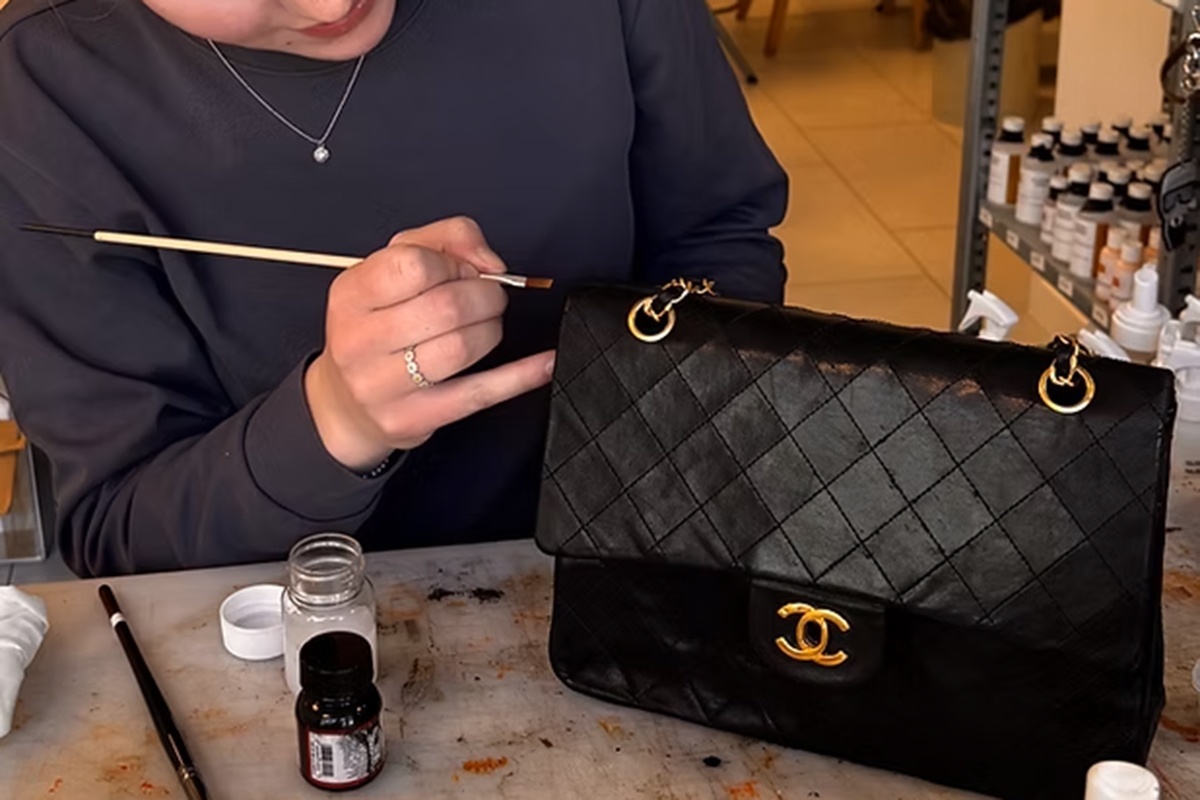
In this restoration masterclass, you will learn the basics of leather restoration. You will learn to identify different types of leather, and based on that knowledge, you will discover which products to use to professionally clean a bag. You will also learn how to repair a hole in leather using a sample piece of leather, a special piece of Epsom leather that Hermès also works with. It features an embossed grain pattern.
Do you have your own vintage bag that could use some attention? Bring it with you for advice on how to clean and restore it.
Roos van Put is the founder and owner of the training institute Cursustassenmaken.nl by Mrs Rosehip. She is trained as a professional bag maker in the Netherlands and completed a private masterclass in Switzerland. She has also specialised in the restoration of designer bags. Her bags have been shown in the exhibition Bags, Icons and Investment in Basel, alongside bags by Chanel, Dior, Hermès, Prada, and Bas Kosters. Her work was also presented in Milan during the Salone del Mobile.
Liesbeth Maenen is a teacher at heart. She completed teacher training in crafts and graduated in design. Her love for education continued during her years as a museum educator at the Bonnefantenmuseum in Maastricht and as an art teacher in secondary schools. Liesbeth also completed specialist training in restoration. She is the owner of Studio IJmuiden, the second branch of Cursustassenmaken.nl. Her own label is Maenen Bags.
Roos and Liesbeth jointly teach the course “How to Restore a Bag” at Cursustassenmaken.nl. Both are general restoration specialists and, more specifically, experts in Chanel bags. Cursustassenmaken.nl is a private training and course institute where you learn the classical craft of bag making. It is the only institute in the Netherlands that offers training in the restoration of (vintage) designer bags.


Festival address:
NDSM Loods
NDSM-Plein 85
1033 WC Amsterdam
Postal address:
Stichting Ambacht in Beeld
Kalf 158
1509AH Zaandam
The Netherlands