During the Ambacht in Beeld Festival, one of the master diamond polishers from GASSAN Diamonds will give an exclusive one-on-one masterclass in which you will polish your own diamond together.
Polishing rough diamonds is a craft that has been practised in Amsterdam for centuries. Diamond is the hardest material on Earth and can only be worked using another diamond. Using a diamond polishing wheel, the diamond polisher transforms rough crystals into the most dazzling gemstones.
GASSAN Diamonds is a renowned family business in Amsterdam specialising in diamonds, jewellery and watches. Founded in 1945 by Samuel Gassan, the company has grown into a leading player in the diamond industry, with a strong focus on craftsmanship and quality.

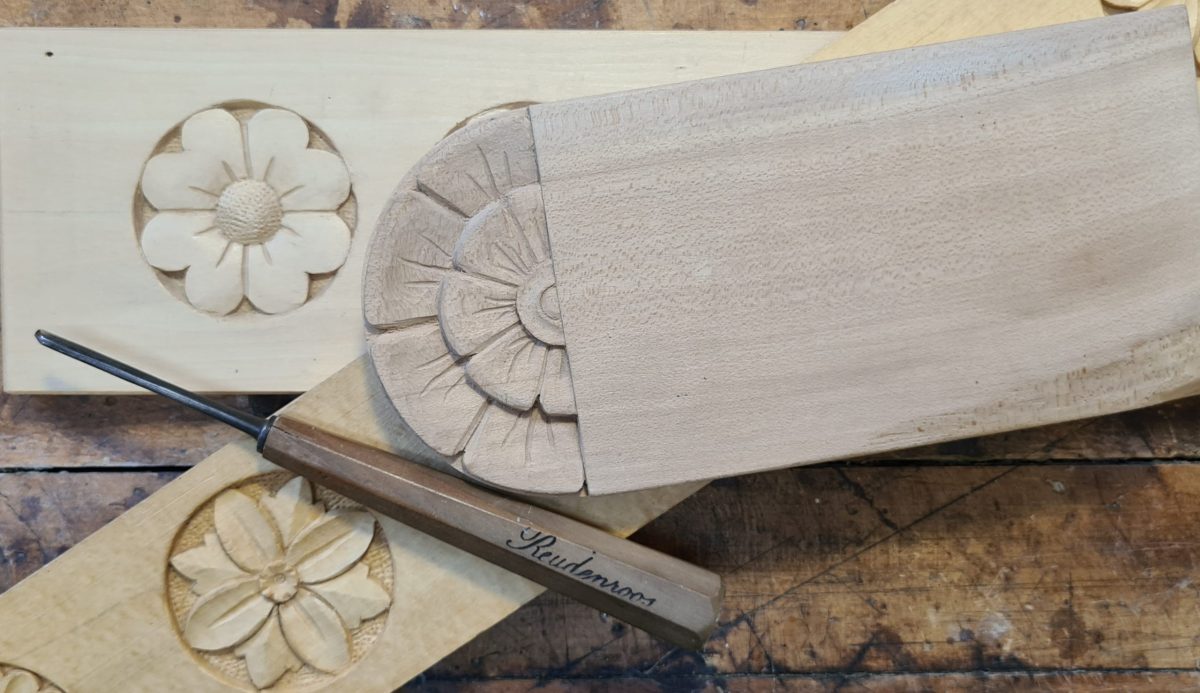
In a small group, you will work under intensive guidance to decorate a wooden board with a flower or rosette. You will develop this step by step: from transferring the design onto the wood to shaping it with carving gouges and carefully finishing the surface.
You will take your carved wooden board home, where you can use it, for example, as a tapas board.
Wood carving has many facets. As a woodworker, you work with a variety of machines to prepare the wood, and then use a wide range of hand tools to further shape it into the final result. A beautiful craft that allows you to create stunning objects with a unique end product.
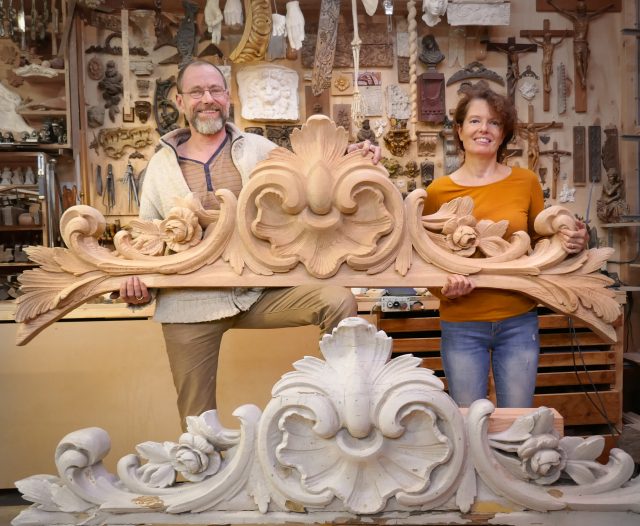
Eelco van Roden and Isabel Vicente of Atelier Reudenroos have been active since 1992 across all areas of fine, traditional woodworking: wood carving, sculpture, design, furniture making, and restoration of sculptures and furniture. They specialize in restoring and replacing wooden ornaments and carvings in historic buildings. In addition to their restoration work, they have been organizing wood carving and sculpture courses since 2009.
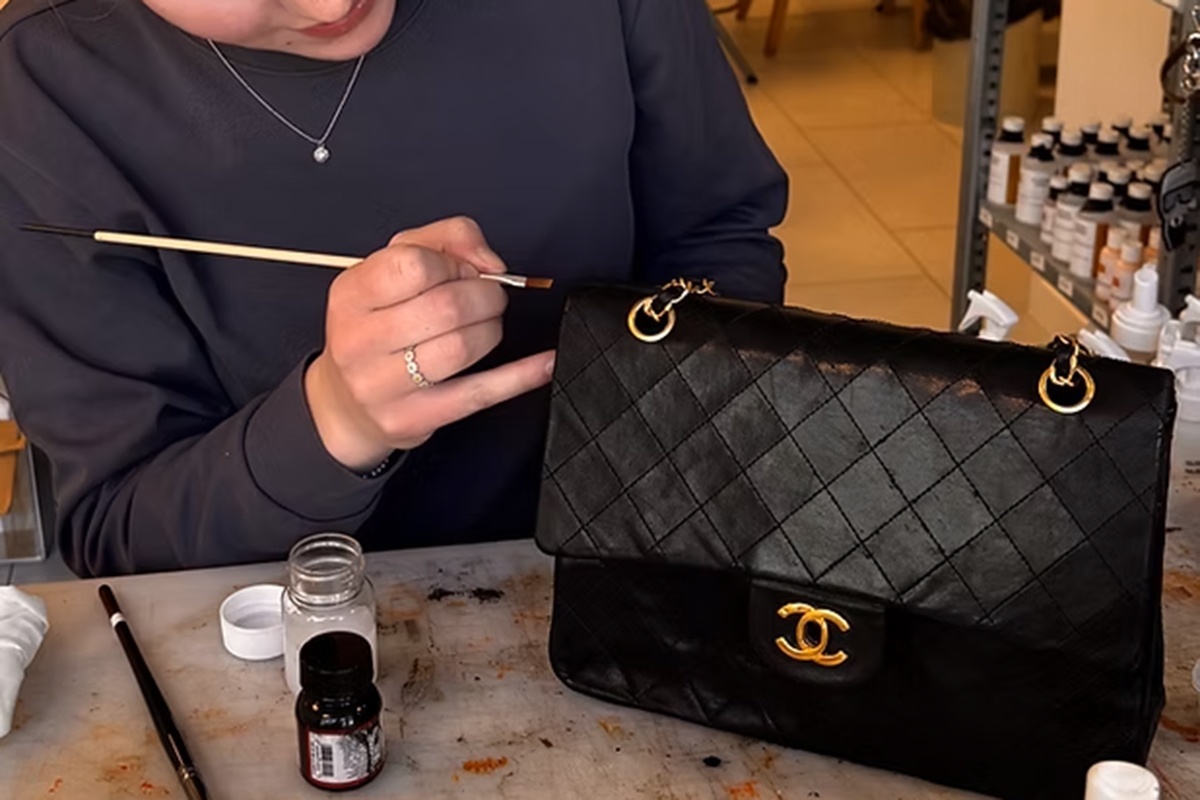
In this restoration masterclass, you will learn the basics of leather restoration. You will learn to identify different types of leather, and based on that knowledge, you will discover which products to use to professionally clean a bag. You will also learn how to repair a hole in leather using a sample piece of leather, a special piece of Epsom leather that Hermès also works with. It features an embossed grain pattern.
Do you have your own vintage bag that could use some attention? Bring it with you for advice on how to clean and restore it.
Roos van Put is the founder and owner of the training institute Cursustassenmaken.nl by Mrs Rosehip. She is trained as a professional bag maker in the Netherlands and completed a private masterclass in Switzerland. She has also specialised in the restoration of designer bags. Her bags have been shown in the exhibition Bags, Icons and Investment in Basel, alongside bags by Chanel, Dior, Hermès, Prada, and Bas Kosters. Her work was also presented in Milan during the Salone del Mobile.
Liesbeth Maenen is a teacher at heart. She completed teacher training in crafts and graduated in design. Her love for education continued during her years as a museum educator at the Bonnefantenmuseum in Maastricht and as an art teacher in secondary schools. Liesbeth also completed specialist training in restoration. She is the owner of Studio IJmuiden, the second branch of Cursustassenmaken.nl. Her own label is Maenen Bags.
Roos and Liesbeth jointly teach the course “How to Restore a Bag” at Cursustassenmaken.nl. Both are general restoration specialists and, more specifically, experts in Chanel bags. Cursustassenmaken.nl is a private training and course institute where you learn the classical craft of bag making. It is the only institute in the Netherlands that offers training in the restoration of (vintage) designer bags.


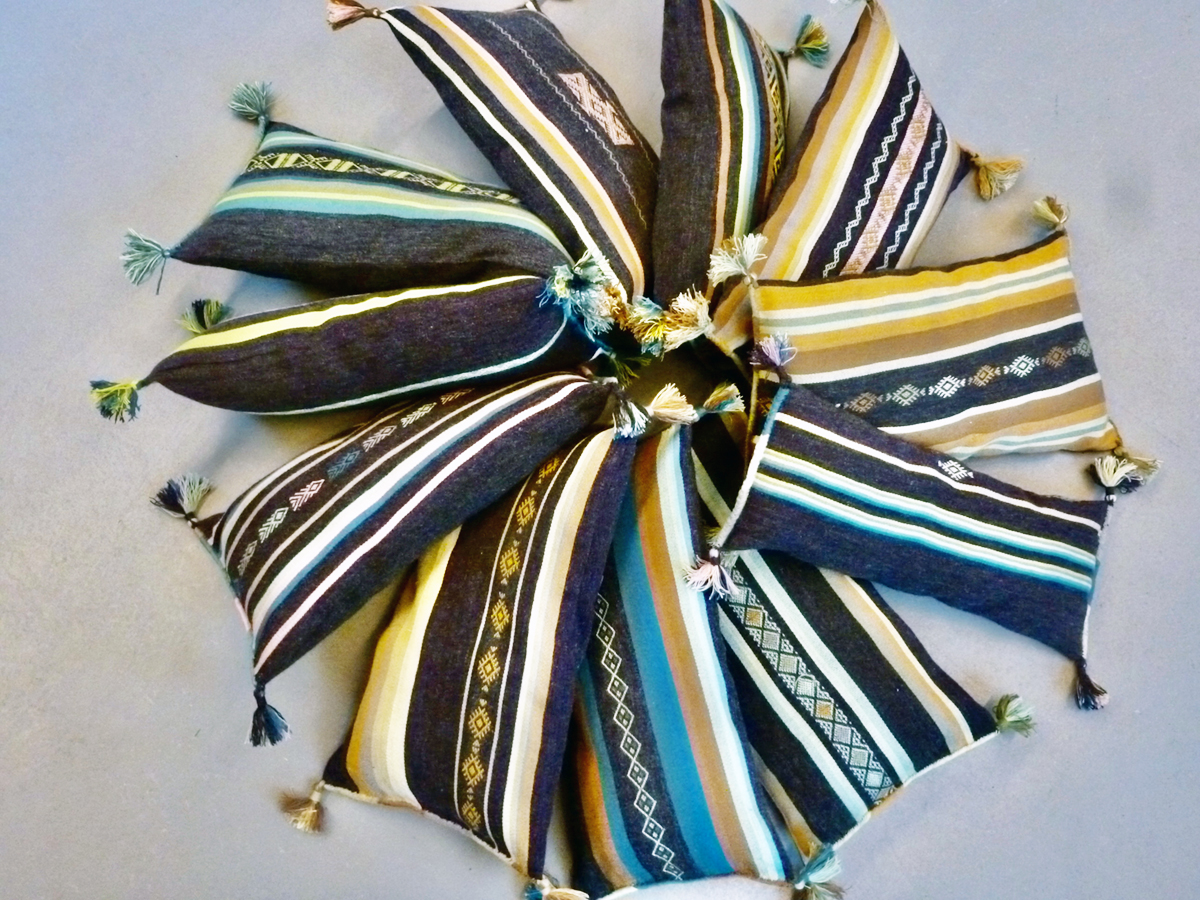
During this masterclass, you will experience what it is like to create something entirely from scratch. A threaded loom with wool warps is ready for you. You start by weaving the back side. You choose a color and learn how to wind a bobbin. Then you begin weaving with a shuttle. The foundation is the simplest weave structure: plain weave. After that, you will try your hand at creating small patterns. If this works out, you design what the front of your cushion should look like and weave it. After the festival, the cushion will be sewn together for you and sent to you by post.
Weaving is Mirja Wark’s great passion. After studying weaving in the United States and Belgium, she ran the hand weaving school De Binding in Utrecht. She lived for many years in Venezuela, Oman, Syria, and Libya. There she researched traditional textile techniques, organized textile journeys, and designed unique woven artworks. She also created the book Si’ira, about the belt weavings of the Wayuu weavers from the Guajira region, the northern border area between Venezuela and Colombia.
Since 2011, Mirja has been running the weaving center Golden Haand, where you can learn the basics of weaving as well as more complex techniques and ethnic patterns. She weaves functional textiles and occasionally an artwork. In 2026, her guide Learning to Weave will be published, a step-by-step guide for anyone who wants to get started with weaving.

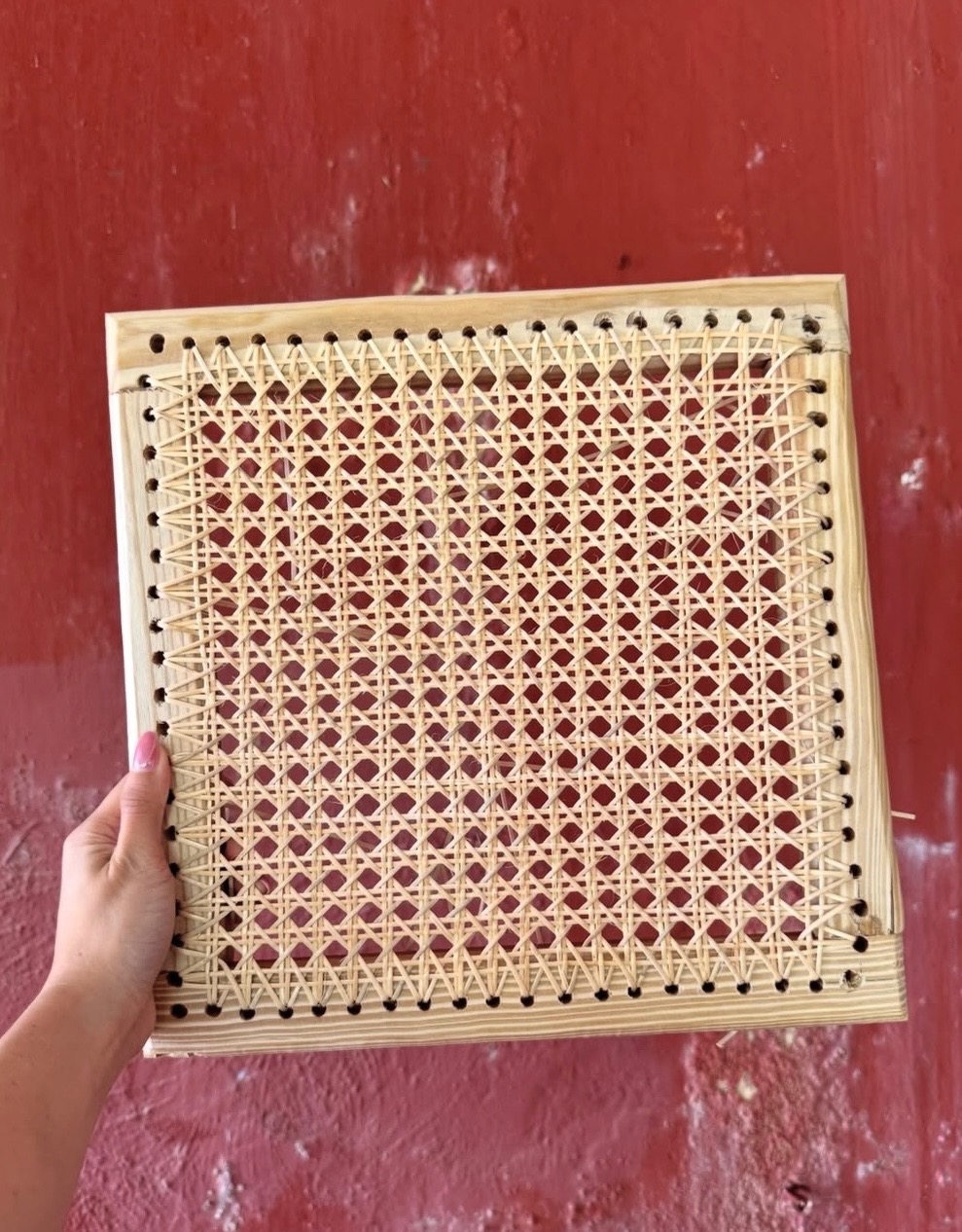
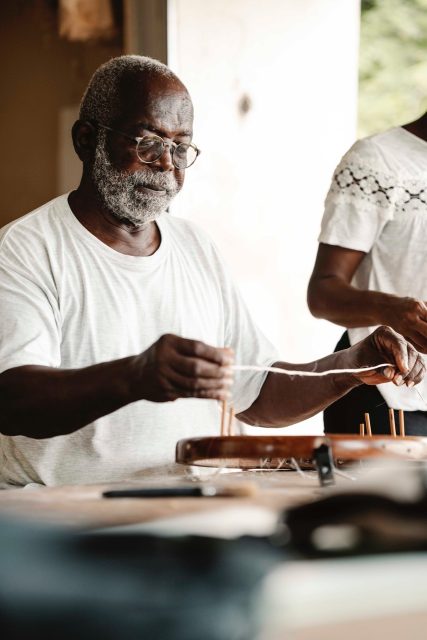
During this masterclass, you will learn step by step how to weave a chair seat or backrest using bamboo fibers. Under the guidance of Felix Etienne, you will work on a wooden practice frame of approximately 20×20 cm, ideal for mastering the basics of weaving. You will take the frame home afterwards, together with extra material so you can continue the work at home and keep practicing this special skill.
Felix Etienne is a master weaver, creative therapist, and teacher with a passion for craftsmanship. During the masterclass, he shares both practical techniques and knowledge and traditions that have been passed down through generations.
Farm to Crafts on Curaçao is an initiative by Cleo de Brabander and explores how traditional knowledge can regain meaning within a sustainable and future-oriented making culture. Based on the principle of learning by doing, the project brings together agriculture, design, heritage, and craftsmanship to create new connections and production chains on the island. One of the crafts that Farm to Crafts is helping to revive is traditional chair caning, a skill that has become increasingly rare in Curaçao but is still part of the island’s cultural heritage. Through workshops, innovation programs, and hands-on experiments with local materials, the project explores how this knowledge can be preserved and renewed. In addition, Farm to Crafts organizes various collaborations and activities such as indigo dyeing workshops, kite making, and material research with banana fibers.

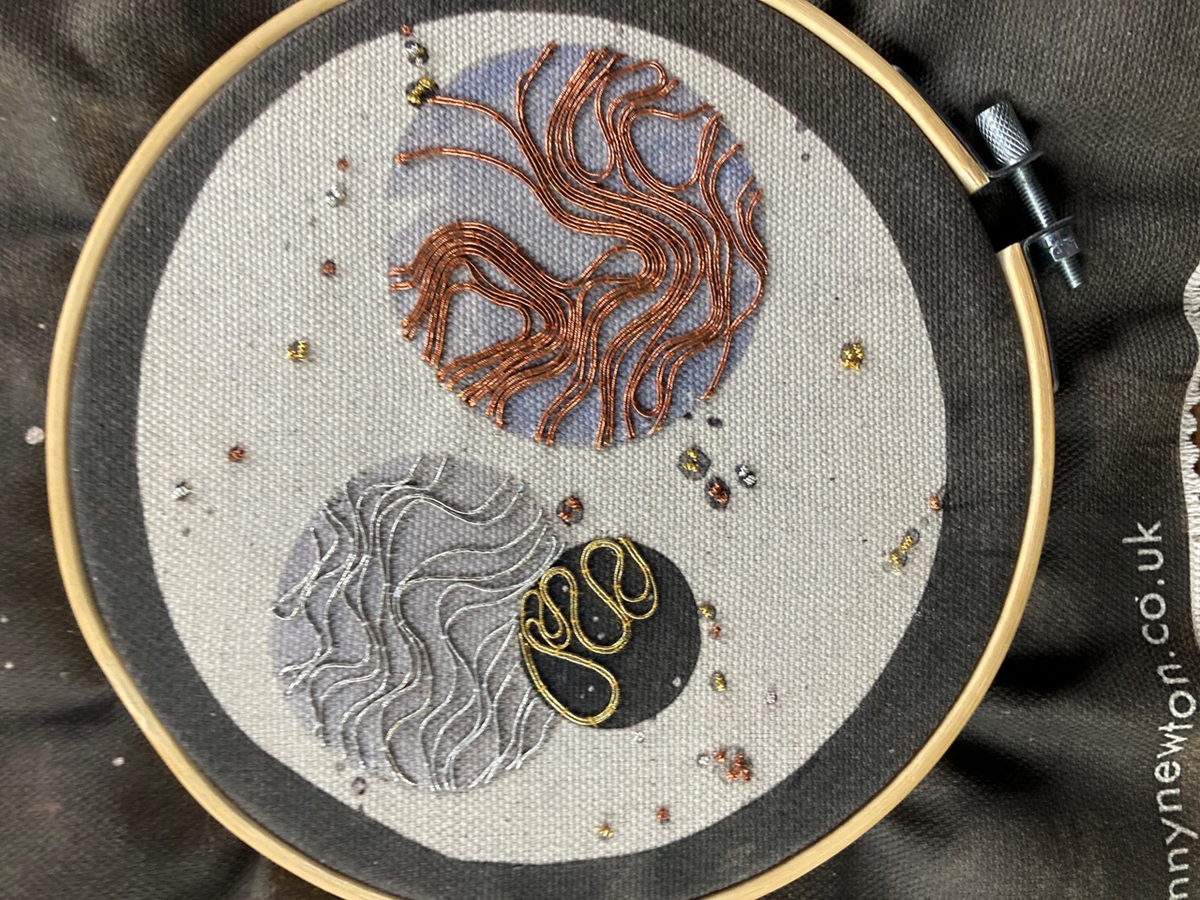
Discover the creative possibilities of metal threads in this fun and contemporary masterclass.
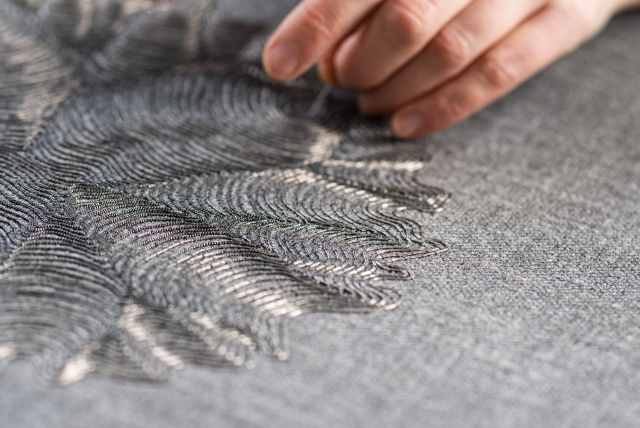
Throughout the class, we explore the foundations of two of the most popular goldwork techniques: couching with metal threads and cutwork using metal purls. Beginning with the essentials, you’ll learn everything you need to confidently get started, including how to work with the beautiful materials provided in your kit. Along the way, Hanny shares practical tips, tricks, and insights gained from years of experience.
Using the printed fabric design as a playful starting point, you’ll build your own collection of embroidered samples, unique to you, that showcase a range of techniques, textures, and creative explorations.
Hanny’s goldwork embroidery workshops strike a balance between traditional technique and creative experimentation, offering plenty of breathing space for stitchers to develop their own response to the rich heritage of goldwork embroidery.
Suitable for all levels of embroidery experience, this masterclass welcomes complete beginners as well as experienced stitchers looking to explore new ideas and approaches.
Metal embroidery is an art form with a rich history spanning more than 700 years. These beautiful threads and techniques have changed very little over the centuries. Today, the production of metal threads is a critically endangered craft, with only a handful of metal thread makers remaining in the United Kingdom.
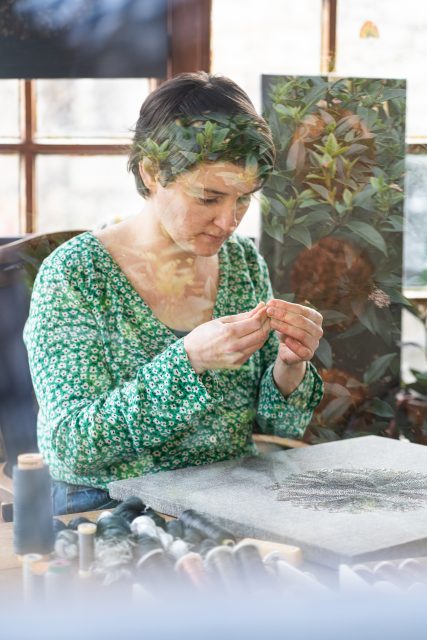
Hanny Newton is a metal embroiderer who brings her own contemporary interpretation to the traditional art of goldwork. Since studying at the Royal School of Needlework (2011–13), she has been fascinated by the unique qualities of different metal threads. From her studio in Shropshire, England, she works internationally with interior designers and art consultancies, applying her contemporary approach to large-scale projects for hotels and private residences around the world. She also teaches at renowned institutions including the British Museum in London, West Dean College of Arts in Chichester, and the Australian Design Centre in Sydney.
In collaboration with the Heritage Crafts Association.
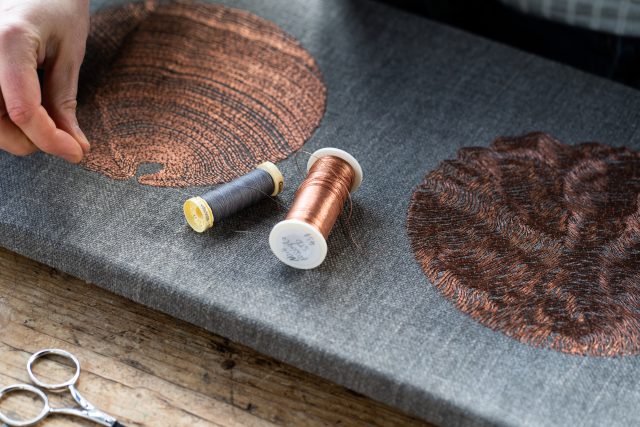
© Joshua James Photography
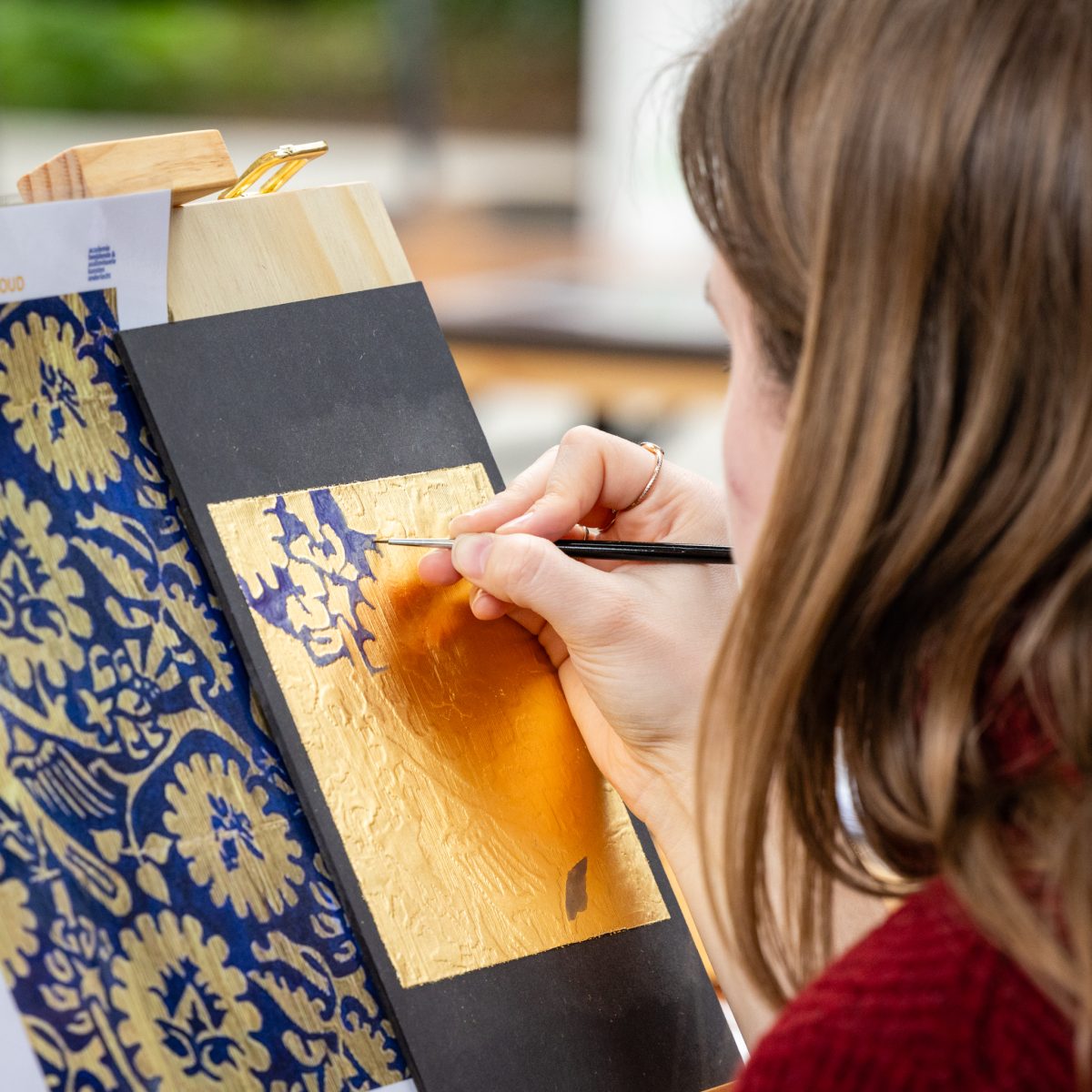
During this masterclass, you’ll dive into the rich world of late Gothic pressed brocade. You will create your own brocade sheet based on a 15th-century example and discover how luxurious silk fabrics woven with gold and silver threads were once imitated in relief.
Step by step, you’ll learn to work with an engraved mould and tin foil to create a refined textile relief. You will then gild the surface with gold leaf and finish it with transparent or opaque pigment layers in deep red, green, or blue tones. Through hatching and painting techniques, you will recreate the shimmering effect of woven gold threads. You will work with authentic materials and professional tools provided for the workshop. At the end of the day, you will take home your own pressed brocade sheet – a tangible result of an age-old craft technique.
This masterclass is offered by the Academie Beeldende & Audiovisuele Kunsten Anderlecht.
In the Polychromie studio at the Academie Beeldende & Audiovisuele Kunsten Anderlecht (ABKA), you will explore historical painting and decorative techniques in all their richness. You will learn traditional methods such as gilding and silvering with metal leaf, and employ techniques including pastiglia, pressed brocade, sgraffito, punchwork, and gemstone imitation.
You will develop the skills not only to execute these decorative finishes, but also to recognise, analyse, and reproduce them. Within the studio, you can specialise in heritage conservation and restoration, or choose a contemporary route where the focus is on experimentation and personal visual language. Throughout your learning process, you will build a personal portfolio documenting all technical steps, material research, and artistic development.
Sandy van Wissen (1968) works in various roles within the cultural heritage sector in Belgium. She is hands-on involved in the conservation, research, and restoration of polychromed sculpture at a federal non-profit institution in Brussels.
In addition, she works part-time as a lecturer in Kunstambacht Polychromie, where both historical and contemporary decorative techniques are taught, and she also serves as Pedagogical Coordinator. The programme is offered as part-time education in Anderlecht.

Immerse yourself in the art of paper making during this masterclass and learn to combine Japanese and Western techniques. You’ll work with Kozo, the bark of the paper mulberry tree, a strong fiber traditionally used to make sustainable Washi paper. From preparing the fibers to making the paper, you’ll be involved in every step of the process.
Paper making is a centuries-old craft that flourished in the Netherlands in the 17th century. Using water, rags, and craftsmanship, paper makers transformed simple fibers into beautiful paper. In mills powered by wind or water, pulp was made, scooped into sheets, carefully dried, and pressed. A remarkable pioneer was Jacob Christian Schäffer, a German inventor from the 18th century who developed innovative techniques and made paper making more sustainable. His work also inspired Dutch paper makers to innovate. Today, you can still experience this fascinating process in artisanal workshops, where you can make paper yourself.
At the end of the masterclass, you’ll go home with three unique, handmade sheets of paper. This masterclass is suitable for both beginners and experienced creatives.
Sietske Vernooij of Papierwijs is a passionate papermaker and teacher. Her love for this craft began under the inspiring guidance of Ewald Weijers. The joy of making your own paper and discovering the many possibilities of plant-based fibers is her driving force. The process from pulp to paper is magical, and she’s happy to share that feeling.
Practical Information


In this masterclass, you will be introduced to the craft of traditional painting techniques. This craft includes imitating wood and marble, tortoiseshell and gemstones, as well as lettering, gilding, and bronzing.
During this session, we will focus on imitating white Brèche marble. “Brèche” means “breccia” or “broken stone.” What does white Brèche marble look like? Where is it quarried? How was it traditionally used? Why was it imitated in the past? And where can it be applied today?
We begin by studying the structure of the marble. What makes it so distinctive? To prepare for this masterclass, you can explore examples of white Brèche marble and study them carefully. You might even know places where you can see it in real life. This will help you better understand what you will be doing and gain insight into the enormous variety that exists.
We start with a lettering brush and ink on paper. Painting the veins (“adering”) is a skill that needs to be learned. Mastering this is essential to realistically imitate a piece of marble.
Next, we begin the imitation on primed paper, coated in high-gloss or satin (water-based) varnish. The imitation process consists of several layers, which Corinna fromAtelier Wildschut will explain and demonstrate step by step.
We work with acrylic paints. The techniques and required materials will be covered. If time allows, additional techniques will be demonstrated. Remember: practice makes perfect!
Because acrylic paint dries quickly, you can take your work home immediately. You will also receive a written description of the imitation process to take with you.
Practical information
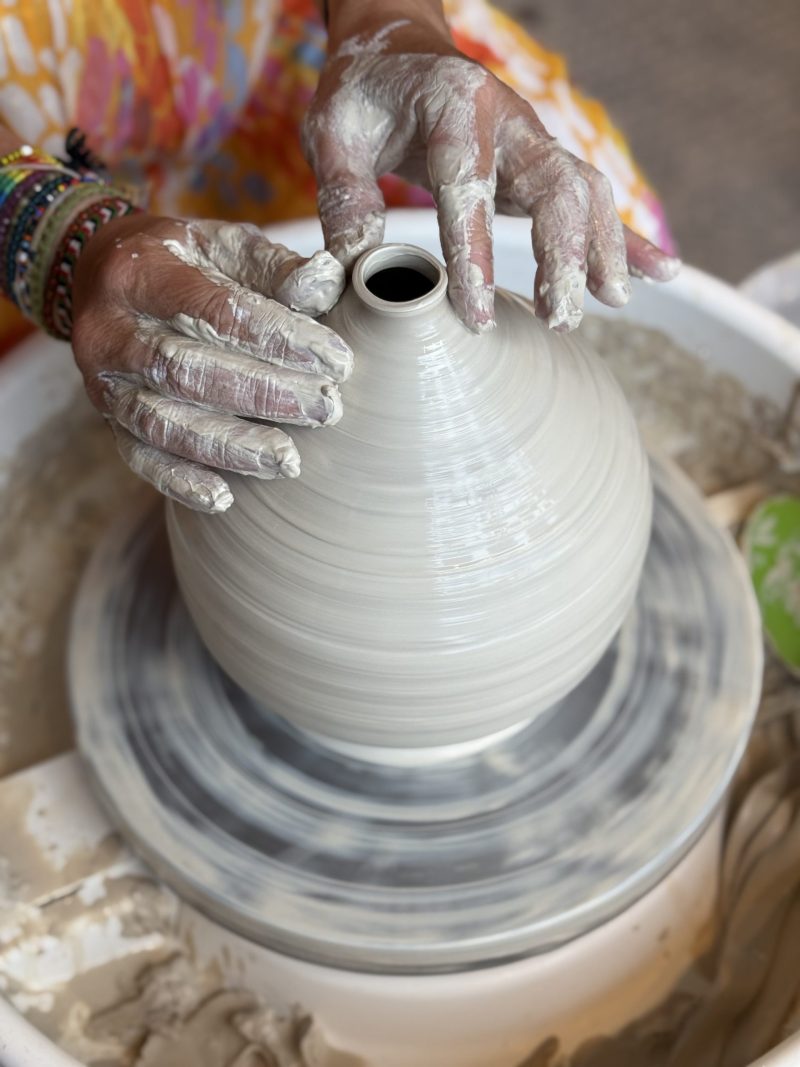
During this masterclass, you will learn how to throw round shapes with narrow openings, create large objects, or craft spouts for teapots. You will have the opportunity to request specific throwing techniques you would like to explore further.
Participants are expected to have basic throwing skills. There will be room for two participants per masterclass, ensuring intensive guidance from ceramicist Tove Solbakk Seierstad.
Tove Solbakk Seierstad from Stavanger, Norway, has worked professionally with stoneware clay, with or without fireclay, for 30 years. She works at the intersection of art and craft, with a special focus on functionality. Each creation is unique, and her work is sold in various galleries in Norway and at fairs in Prague, Czech Republic, and Florence, Italy. Her ceramics are fired at such a high temperature that they can withstand everyday use in the dishwasher, oven, and microwave. Tove is a member of the Norwegian Arts and Crafts Association (Norske Kunsthåndverkere) and Norges Husflidslag.
“The mystery of clay, its shape and color, fascinates me endlessly. I long to delight the eye and evoke a rich tactile experience. I’ve never had such a lasting relationship with anything or anyone as I have with clay. My pieces are the result of countless hours of experimentation, enjoyment, frustration, and enthusiasm.”
Practical Information
The language of instruction is English.
The price includes materials and VAT.


Festival address:
NDSM Loods
NDSM-Plein 85
1033 WC Amsterdam
Postal address:
Stichting Ambacht in Beeld
Kalf 158
1509AH Zaandam
The Netherlands