Photo: Anna Civelleri
Language: English
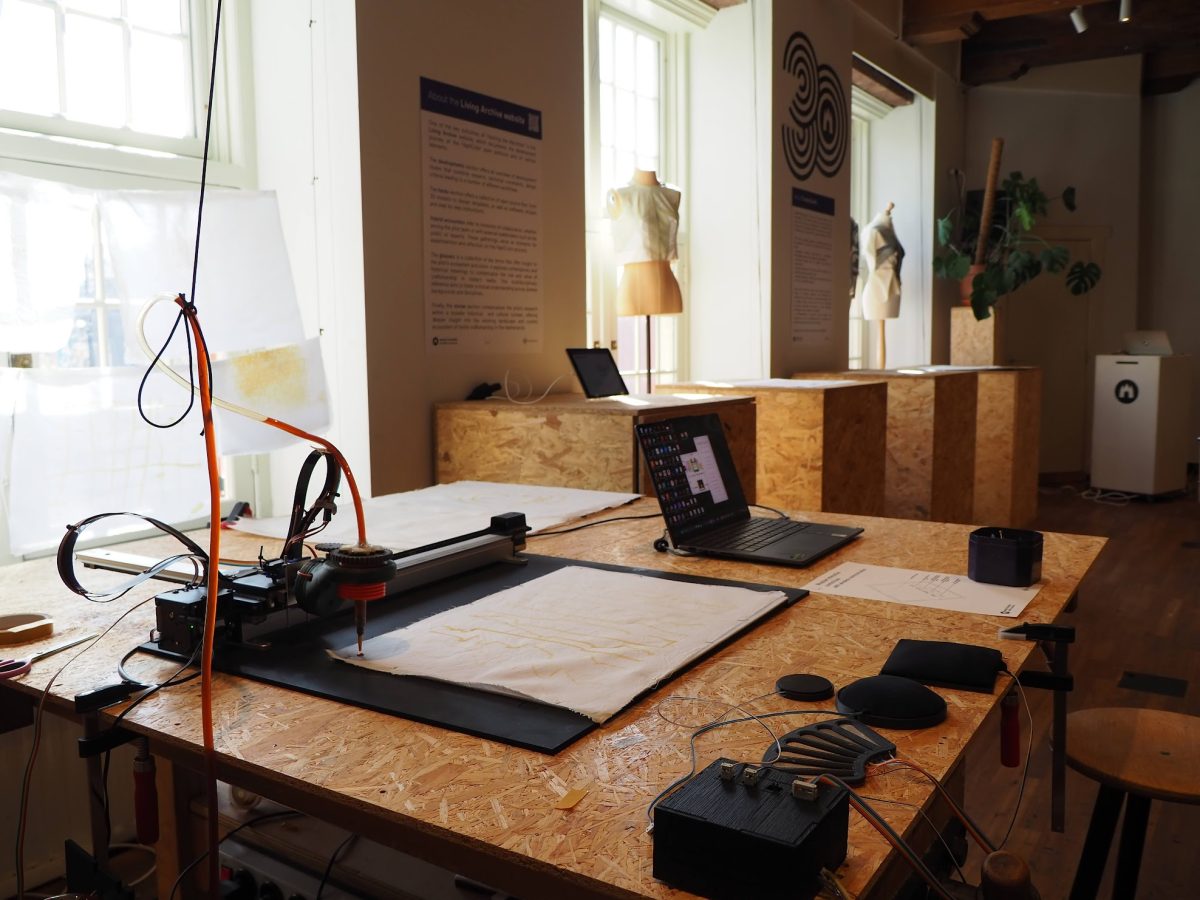
How can digital technology support craft without removing the maker from the process? In this lecture, Aslı Aydın Aksan presents the role of digital technology in crafts drawing on Hacking the Machines, the Amsterdam pilot of the Horizon Europe project Tracks4Crafts, developed at TextileLab Amsterdam, Waag Futurelab.
Through experiments with textile printing, natural dyes and interactive machine control, the project explores how digital tools, haptic systems and open-source machine protocols can support access, responsive dialog, immediacy and scale while keeping the craftsperson’s intuition, agency and intervention at the centre.
Aslı Aydın Aksan is an architect, researcher, and educator at Waag Futurelab. Her work explores the intersections of computational design, digital fabrication, craft, and design education through critical making and experimentation. Waag Futurelab is a research institute for technology and society that works toward an open, fair, and inclusive future. Its TextileLab Amsterdam investigates sustainable and regenerative practices for the textile and clothing industry at the intersection of craft, biology, and emerging technologies.
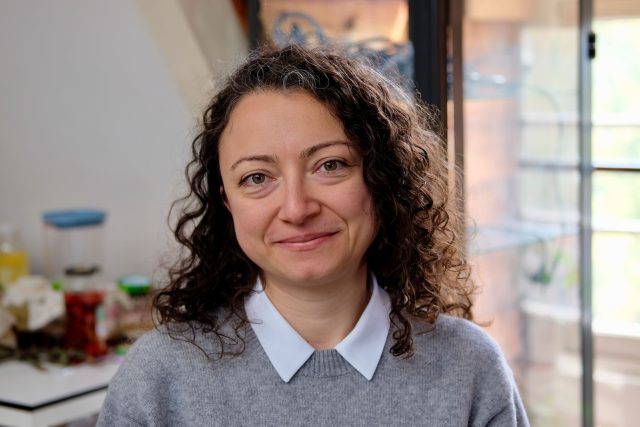
Photo: Anna Trap

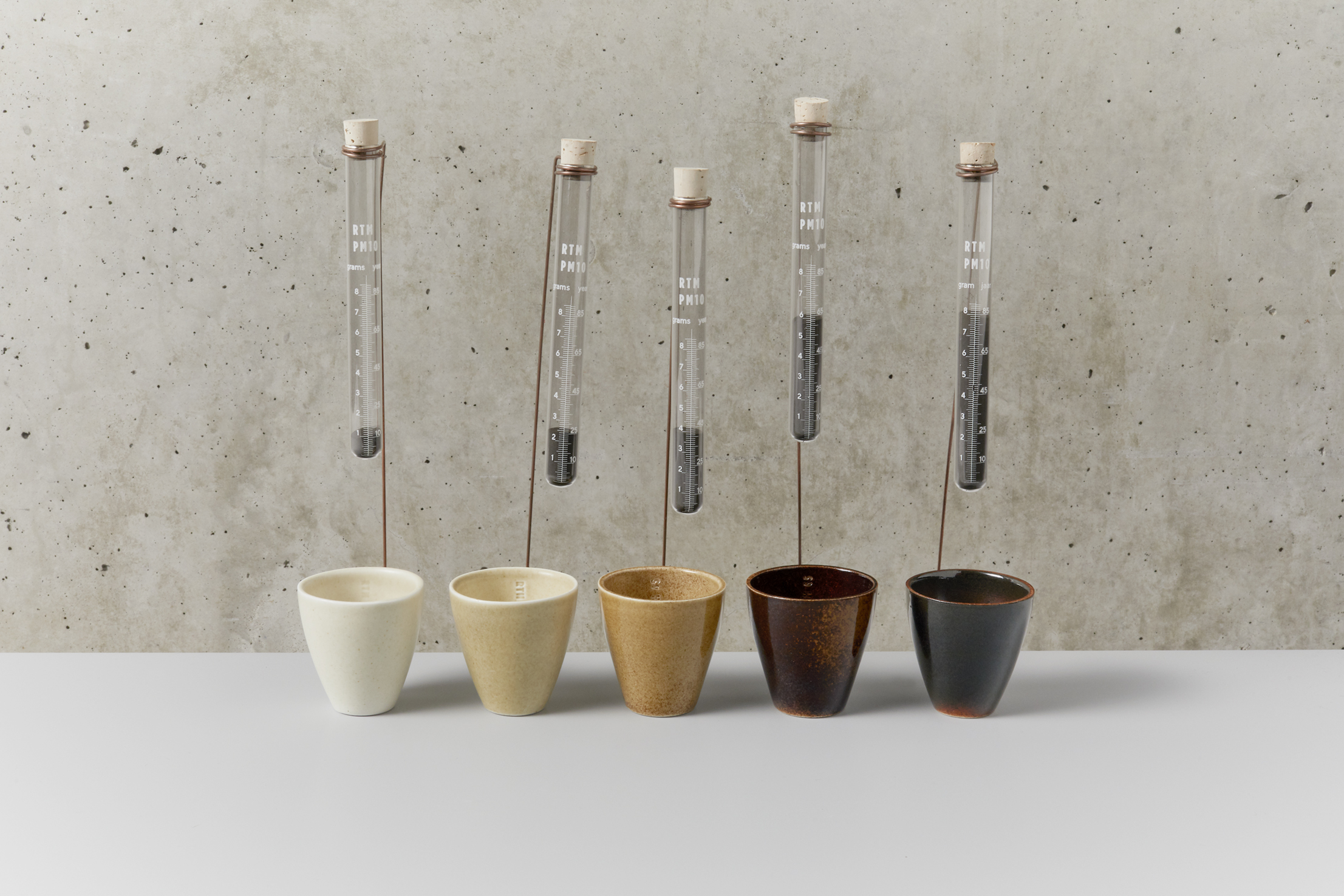
What can a coffee cup tell us about air pollution, raw materials, and social inequality? Ceramics are among the most durable materials we have: as long as they don’t break, they can last for thousands of years. At the same time, their production is far from sustainable. The firing process emits significant amounts of CO₂, and certain raw materials and glazes can be harmful to both people and the environment, or are becoming increasingly scarce. The Rotterdam-based design studio Lab AIR explores how the craft of ceramics can be used as a medium for conversations about major societal challenges.
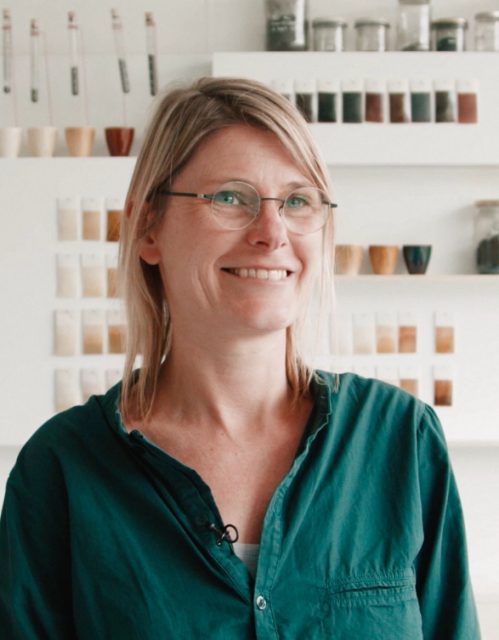
Designer Iris de Kievith works towards a livable climate. She uses the power of imagination to make complex issues more understandable and to offer practical tools for a healthy and fair future. She does this, among other things, through the design and research studio Lab AIR, which she founded together with Annemarie Piscaer. Within Lab AIR, the often hidden impact of our everyday actions is unravelled and made visible through objects and installations. With a focus on awareness and change, the public is actively involved in both the making process and the conversations it sparks.
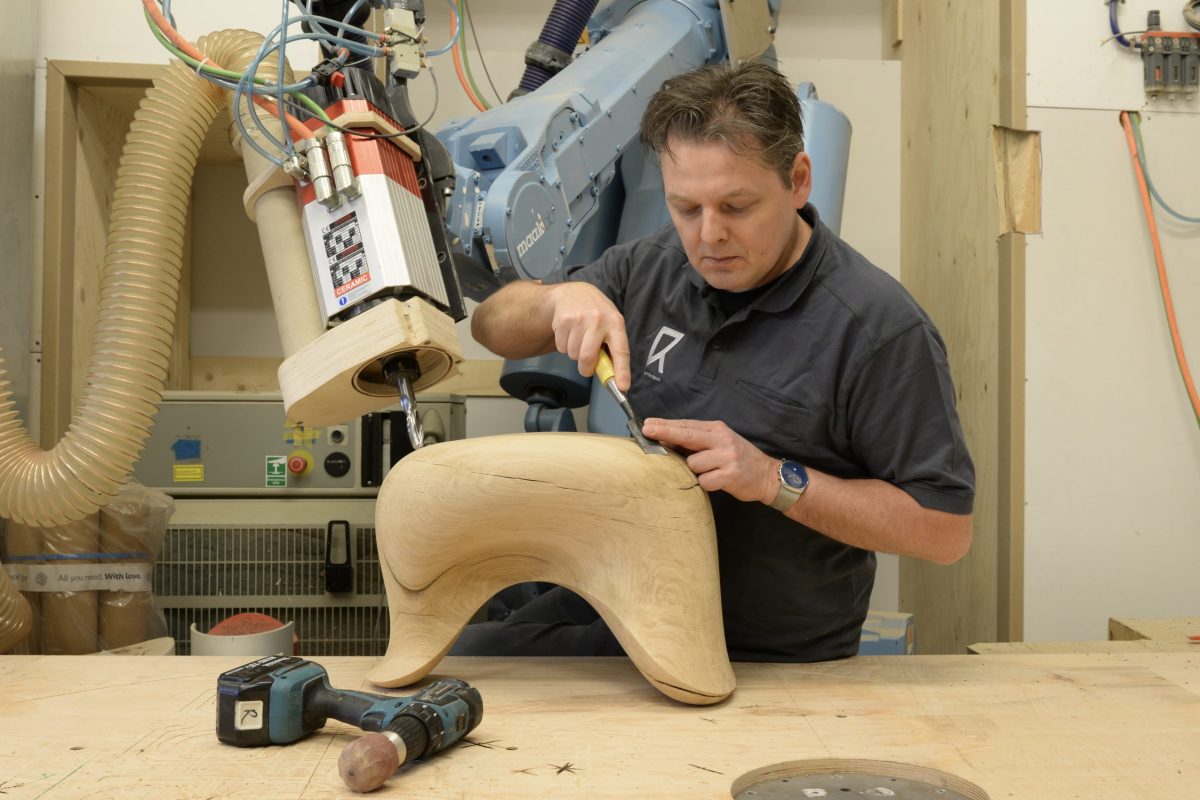
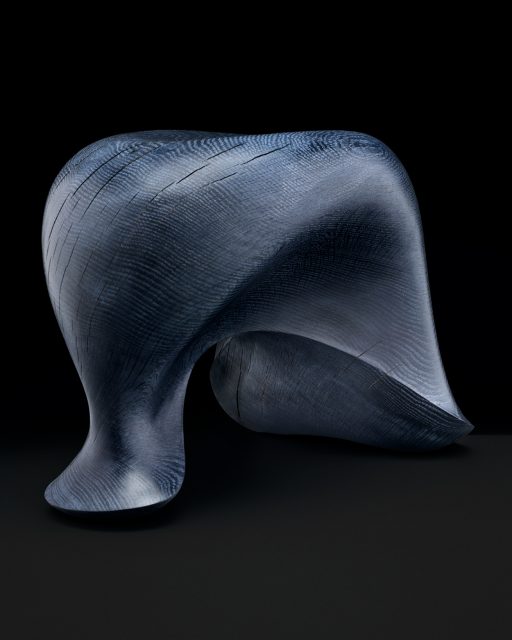
In his lecture, Rutger Graas explores innovation within craftsmanship from the perspective of a creative craftsman. Using a range of example projects, he examines the relationship between innovation and progress. Central to his presentation is the question of whether innovation always leads to improvement. This critical perspective forms the basis for the lecture’s title: Backwards Innovation.
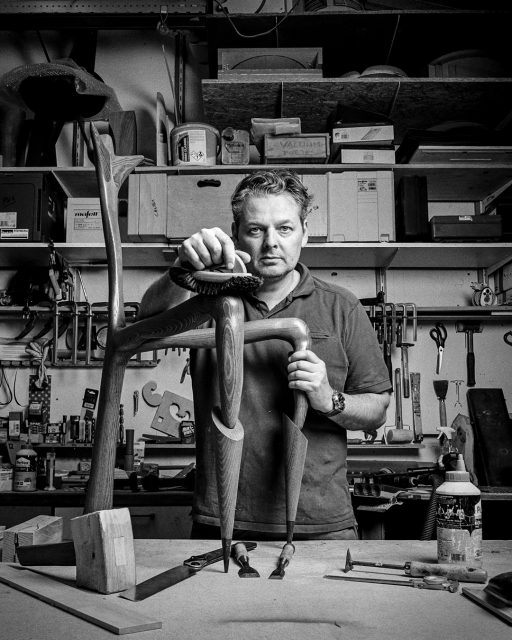
Rutger Graas has been a designer and cabinetmaker for almost 30 years, known for his craftsmanship, attention to detail, and inventive solutions. From his workshop in Amsterdam, he combines traditional craftsmanship with contemporary design, where sustainability, functionality, and refined detailing are key. Rutger regularly collaborates with designers, architects, and creative makers to bring unique projects to life. With his initiative Maaklab, he encourages collaboration, experimentation, and knowledge sharing within the making process.
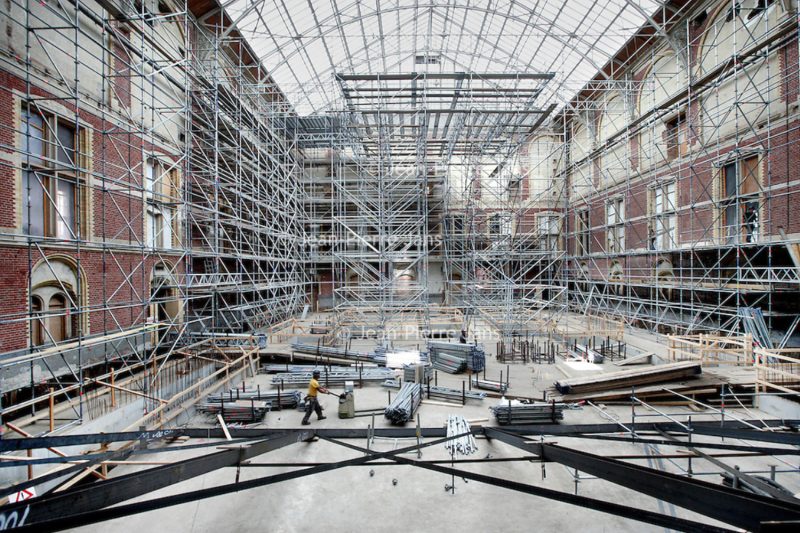
During the renovations between 2008 and 2014, Koninklijke Woudenberg carried out the shell restoration of the Rijksmuseum in Amsterdam.
The scope included the extensive restoration of the facades and roofs of the main building and the courtyards.
During the same period, the Restoration Company, now 225 years old, restored and renovated the outbuildings: the Villa, the Teekenschool, and the Philips Wing, commissioned by the Central Government Real Estate Agency.
Many restoration carpenters, masons, joiners, sculptors, and stonemasons contributed to the restoration and preservation of this iconic national monument.
In this presentation, Johan den Hartog, who started as a work planner in 2008 and left Amsterdam in 2014 as a project manager, will take you on a journey through the restoration process, the challenges, and, of course, the crucial craftsmanship.
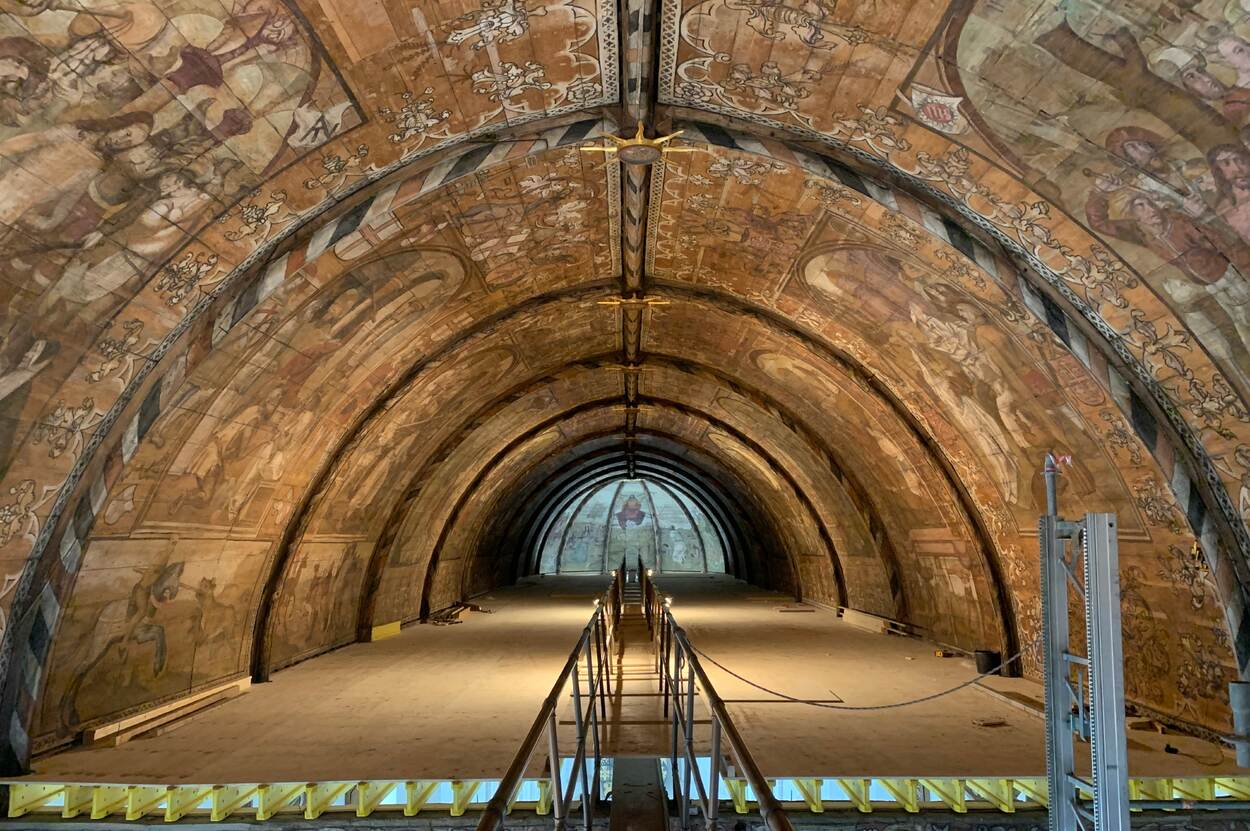
The five-hundred-year-old paintings on the barrel vault of the Grote Kerk Naarden, located 25 meters above the nave and choir, are exceptionally well-preserved every single panel has survived, something unparalleled in the Netherlands. The vault is not only an artistic treasure but also a historical and socio-cultural document from the early sixteenth century, earning the church the nickname “the Sistine Chapel of the North.”
Between September 2020 and March 2021, a team of restorers carried out a condition survey of the vault, commissioned by the Grote Kerk Naarden Foundation. Concerns had arisen that both the 500-year-old paint layers and the wooden structure supporting them were deteriorating. The study confirmed these concerns: paint was detaching, the wood was under excessive tension, and the vault needed cleaning.
Restoration is therefore essential to safeguard the vault for the future. Fragile, flaking paint must be stabilized, and various other damages repaired. In September 2024, the restoration of the vault began an undertaking involving 770 m² of painted wooden panels. The project is expected to take two years and cost €2 million.
In her lecture, director Ellen Snoep will discuss the unique qualities of the vault, the history and significance of the paintings, and the challenges of their restoration. The project brings together multiple restoration disciplines and extensive research into paint composition, painting techniques, the wooden support structure, and the history of previous restorations of this extraordinary sixteenth-century masterpiece.
Practical information
Photo: Cultural Heritage Agency of the Netherlands

Sophie Prieto is the Cheffe du département des Ateliers d’Arts – Moulages et Chalcographie at the GrandPalaisRmn in France.
The workshop holds plaster casts of more than 6,000 artworks, including pieces like the Venus de Milo and the foot of Alexander the Great, as well as 14.000 original engraved copperplates dating from the 17th to the 21st century.
During this lecture, she will speak about her department’s work in casting (moulage) and intaglio printing (chalcography). These artisanal reproductions are essential for restoration, education, and the preservation of artworks from French and international heritage. Her department also develops tactile objects for blind and visually impaired visitors and supports major restoration projects, such as the garden sculptures in Versailles.
For two centuries, the Cast Workshop of the GrandPalaisRmn has brought the greatest masterpieces of sculpture back to life by making high-quality reproductions from original works, using unique processes that combine the demands of tradition and the excellence of modern times. The collection of casts preserved by the workshop traces the complete history of sculpture, illustrating the art of Prehistoric, Eastern and Egyptian Antiquities, Greco-Roman, Etruscan, Gallo-Roman, as well as masterpieces from French, Italian and northern Europe schools from the Middle Ages to the 20th century.
Practical Information

Photo Dmitry Kostyukov for The New York Times


Sjoukje Telleman is a textile conservator. After completing a Master’s in Conservation and Restoration of Cultural Heritage (Textiles) at the University of Amsterdam, she continued in the program’s post-master track from 2015 to 2017. During those two years, she gained experience at institutions such as the Rijksmuseum in Amsterdam and the KIK-IRPA research institute in Brussels.
In 2017, she founded her own company, Telleman Textile Restauratie, and has since worked on a wide variety of objects and projects, from unique items like textiles recovered from the ocean or ancient mummies to christening gowns, religious textiles, and modern art. Her clients include the National Museum of Antiquities (RMO), the Netherlands Open Air Museum, the Cultural Heritage Agency, Municipality of Rhenen, Regional Archive Rivierenland, and many private clients with cherished family heirlooms.
Textiles are a versatile material, produced in many forms throughout the centuries, always closely tied to human life. Textile objects, whether fashion, costumes, ecclesiastical textiles, accessories, needlework, flags, banners, carpets, interior fabrics, or even mummies and archaeological fragments, tell stories of cultures, communities, and individuals.
Textiles encompass a broad range of materials, techniques, and crafts, but they are also fragile, vulnerable to aging, deterioration, and wear. This can result in visible or hidden damage such as tears, creases, material loss, deformation, or overall weakening of the fabric.
It is the role of a textile conservator to preserve these objects for the future, prevent further damage, and improve their appearance. Many different techniques are used, and every object presents unique challenges. Through a selection of case studies, this talk offers a behind-the-scenes look at the work of a textile conservator.
Practical Information


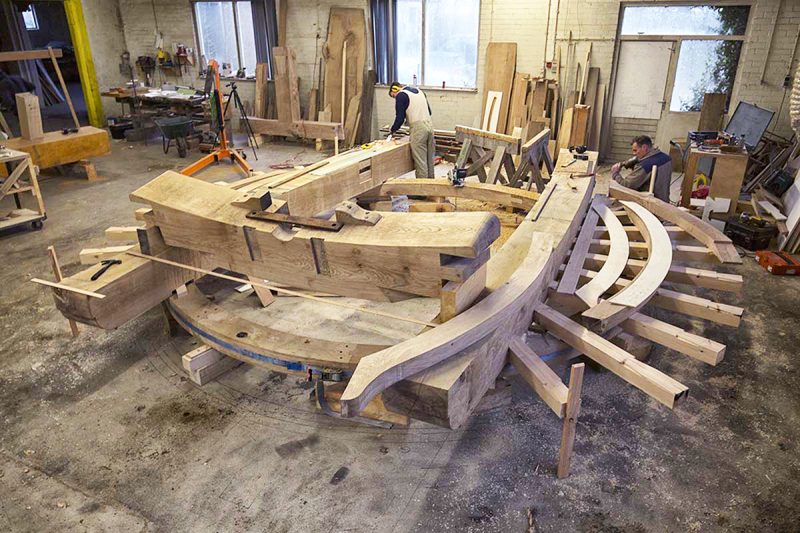
Bart Nieuwenhuijs, mill restoration specialist from Westzaan, will give a lecture on the complete restoration process of Molen De Paauw in Nauerna, the only hemp pounding mill in the Netherlands, once used to beat hemp into raw material for sailcloth.
When Bart gained access to the old oil mill with blokmaalder’s house (the foreman’s residence in an oil mill) in 2008, he decided to save this unique piece of heritage from demolition. In 2011, restoration work began, commissioned by the Zaanse Pakhuizen Foundation and supported by many volunteers.
In search of historical building materials that closely resembled those of De Paauw, Molen De Haan near Abbekerk was eventually located. The entire structure was transported via the A7 highway and placed on a site next to the mill barn.
Because sailcloth weaving was a major regional industry from the 17th to the late 19th century, it was decided not to restore De Paauw to its original function as an oil mill, but to repurpose it as a hemp pounding mill. A significant challenge arose; there was no existing hemp mill in the Netherlands to serve as an example. After extensive archival research, construction and restoration could finally begin.
On September 7, 2019, De Paauw, the only hemp pounding mill in the Netherlands, was officially put into operation.
Bart Nieuwenhuijs began collecting antique items from Zaan-region windmills and houses as a child and was an active member of the model-building club at Molen Het Pink in Koog aan de Zaan. This early interest sparked his lifelong passion for windmills, Zaan timber construction, and traditional craftsmanship. After completing a carpentry program at a vocational school (LTS), Bart continued his training through the SPB apprenticeship system and worked at De Zeug, a Zaan restoration company specializing in historic wooden interiors. He later completed specialized training in restoration carpentry and a night course in construction management, and in 2002, he founded his own business.
Together with his partner Giel Peetoom, Bart now proudly runs the respected restoration company Nieuwenhuijs & Peetoom.
They also offer apprenticeships and trainee placements for young people interested in becoming future craftspeople.
Giel Peetoom also discovered the craft at a young age, joining the same model-building club at just ten years old. “Giel started as my apprentice and has now become my business partner. How beautiful is that!” Bart says proudly.
Practical Information


When the First Emperor of China ascended the throne in 247 BC, he ordered his ministers to build a massive burial complex. This underground palace had to be well guarded—not by real people, but by soldiers made of baked clay: a Terracotta Army.
In the exhibition Made in China, on view at Wereldmuseum Amsterdam starting October 16, life-size reconstructions of the original soldiers will be displayed. Based on extensive archaeological research, restorer Catharina Blaensdorf spent years creating these authentic reconstructions, using the same materials and techniques as in ancient times. They reveal the original colors that have faded on the real soldiers.
Willemijn van Noord, curator of Chinese art at the Wereldmuseum, will give a lecture about the creation process of the terracotta soldiers and their reconstructions, showing photographs of the process.
Made in China is on display from October 17 at the Wereldmuseum Amsterdam. The Wereldmuseum uses China as a case study to present a new perspective on the concept of making. The exhibition features a mix of objects, art, fashion, photography, and video, showcasing China’s rich and ongoing maker culture. It also explores the various meanings of “making” through the work of contemporary artists and designers such as Cao Fei, Susan Fang, Jing He, Ma Ke, and Yang Yongliang.
Practical information
• The lecture will be in Dutch
• The lecture schedule will follow soon


Festival address:
NDSM Loods
NDSM-Plein 85
1033 WC Amsterdam
Postal address:
Stichting Ambacht in Beeld
Kalf 158
1509AH Zaandam
The Netherlands