Step into the world of a student at Hout- en Meubileringscollege (HMC). In the Creative Craftsmanship programme, students learn to combine the latest techniques with traditional crafts.
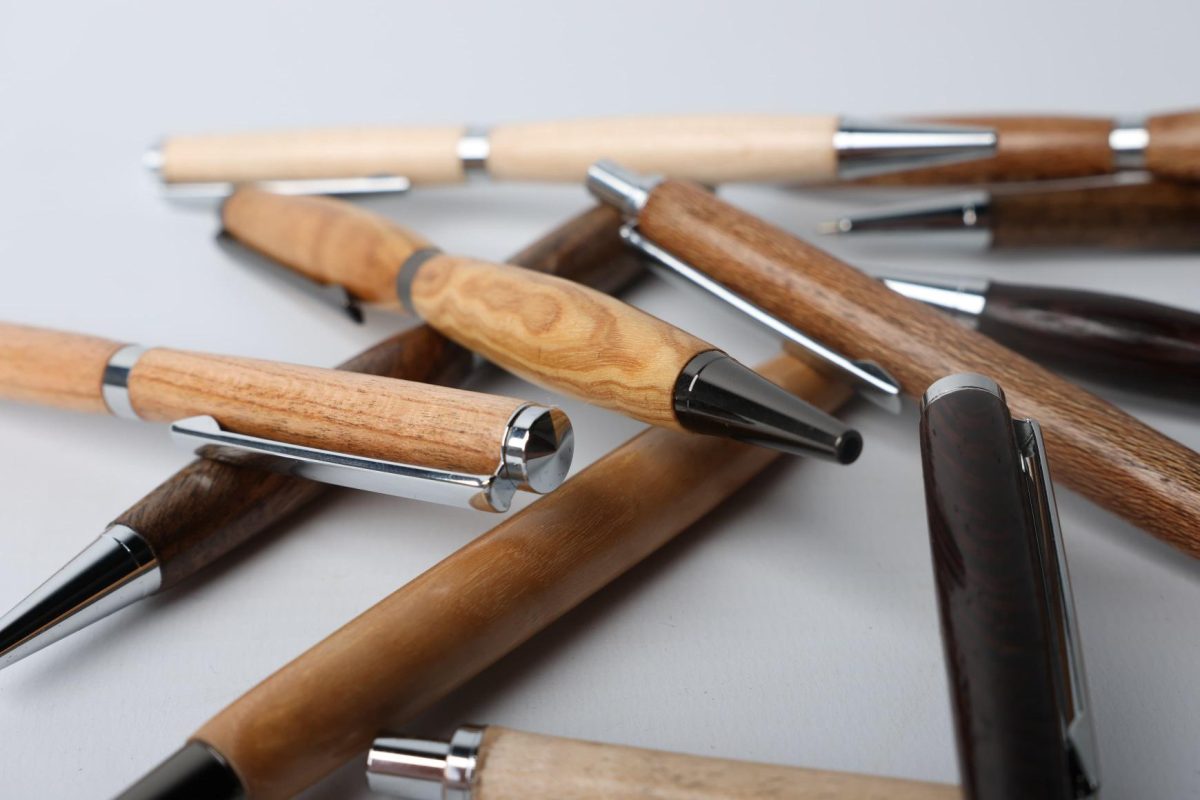
During this workshop, you will create your own wooden pen with guidance from an instructor. The wood has already been prepared and can be used right away to make your pen. You choose which type of wood you would like to use and, after a short introduction, you can get started.
You will learn how to turn wood on a lathe, how to hold a gouge, and what to pay attention to regarding safety. The workshop is suitable for both beginners and experienced makers.
At the end of the workshop, you will go home with a unique, handmade pen.
The Het Hout- en Meubileringscollege has been an independent vocational college (MBO) since 1929, training students to become creative professionals who have a place in the labour market now and in the future. It is a relatively small school, creating a personal atmosphere and a safe learning environment. HMC offers programmes in areas such as furniture making, interior design consultancy, creative craftsmanship, residential sales, carpentry, furniture upholstery and piano technology. The school also offers courses and training programmes for adults. In the Creative Craftsmanship programme, students learn to combine the latest techniques with traditional crafts.

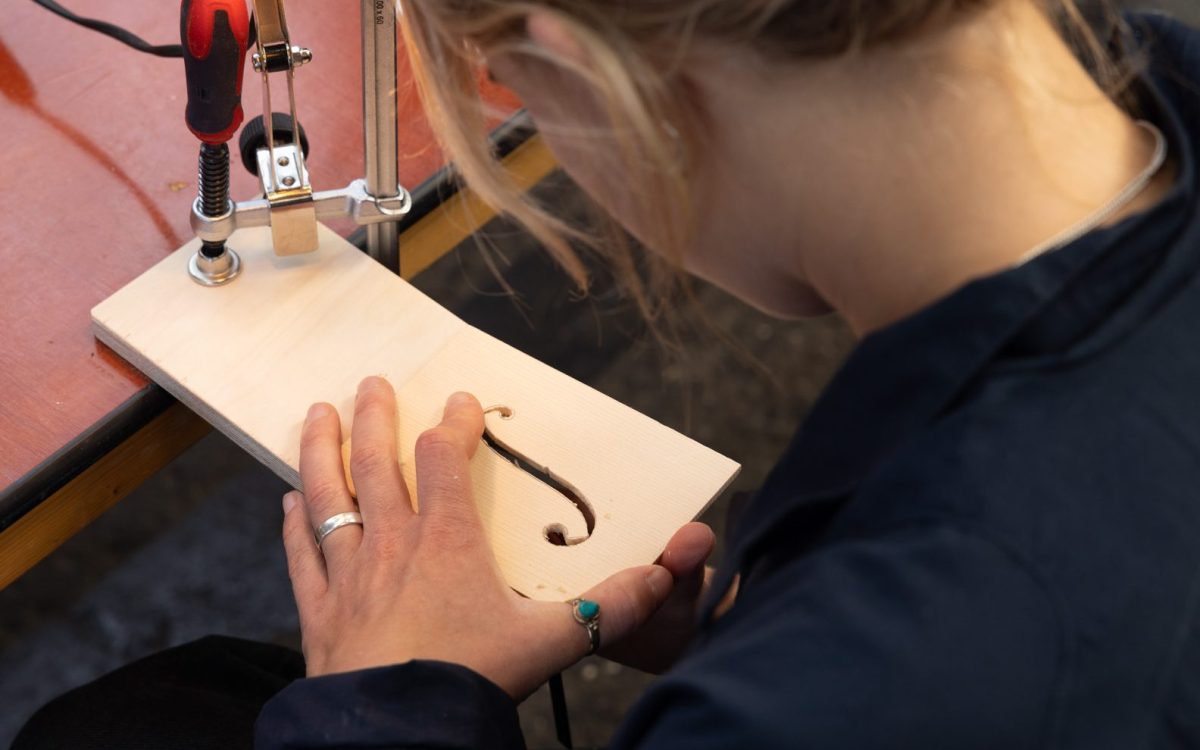
Do you know the versatility of the f-holes on the top plate? What stands out is their elegance, but they also have a function. They act like a kind of speaker, bringing the vibrations from the sound box to the outside and amplifying the sound. The handwriting of the violin maker can also be seen in an f-hole, making their style recognizable. In this workshop, you will create one yourself. You will learn to mark out the f-hole, saw it out, and carve it into shape. The tools and materials are ready for you, and you may take your finished piece home afterwards.
Want to build a musical instrument yourself? At Bouwerskontakt, you can learn how. Of course, building a complete instrument by hand takes time. During the workshops at the Ambacht in Beeld Festival, you can learn to make a part and get acquainted with some of the skills and techniques.
Bouwerskontakt is part of Huismuziek, an association for music and instrument building, with the aim of exchanging, making available, expanding, and spreading knowledge and experience about instrument making. Members range from hobbyists to professional builders and make both historical and modern instruments, such as guitars, violins, harpsichords, organs, barrel organs, and recorders. Most activities take place at Houtclub-Ede.

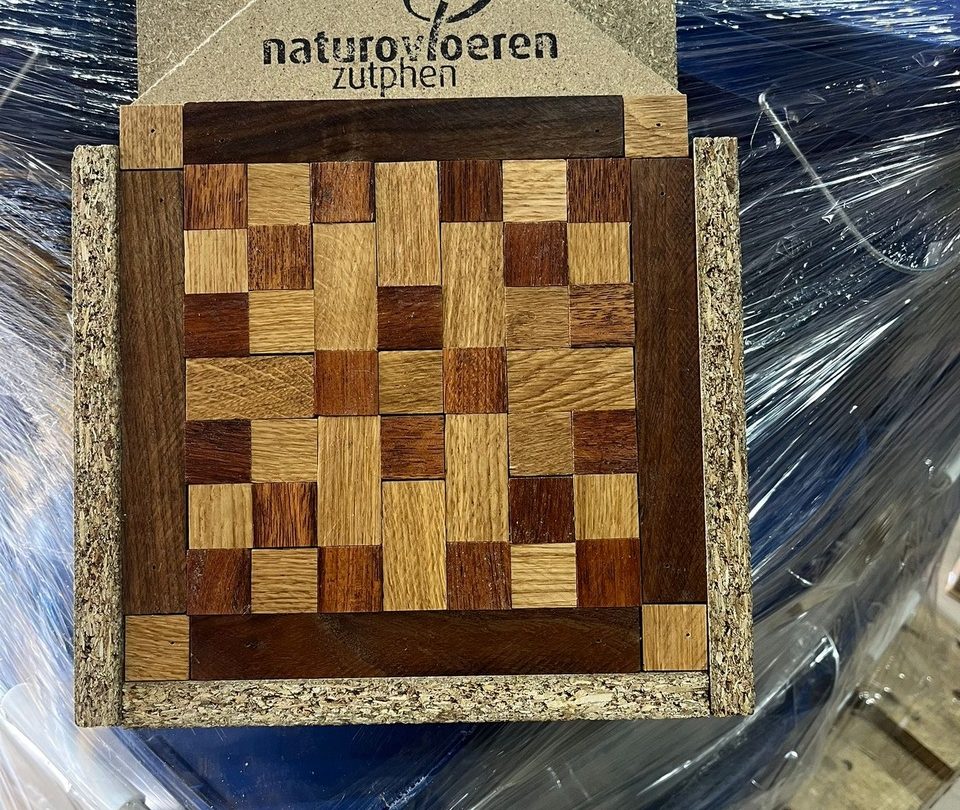
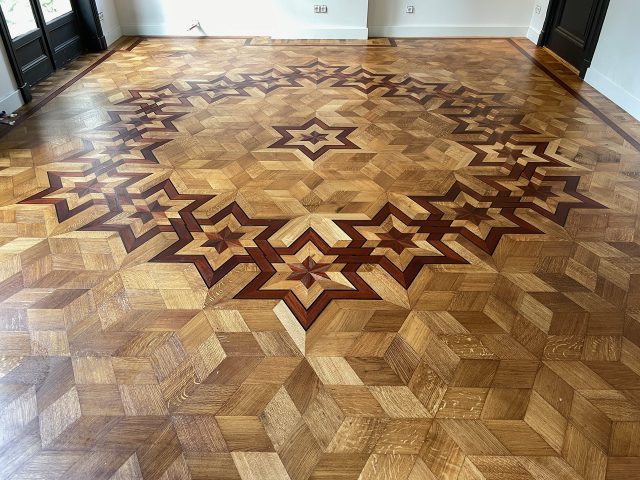
Experience what you can create with wood on a floor and feel like a real parquet installer for a moment! In this ongoing, free workshop, you will create your own mini parquet floor using different types of wood. You will glue pre-cut wood pixels (1 x 1 cm) onto a base plate, using your own creativity.
Het Gilde van Parketteurs is dedicated to preserving the craft of parquet installation. Members are invited several times a year to participate in various workshops. In addition, the guild is active at events to promote the craft. They also organize courses and study trips specifically curated to maintain a high level of professional expertise among parquet specialists.
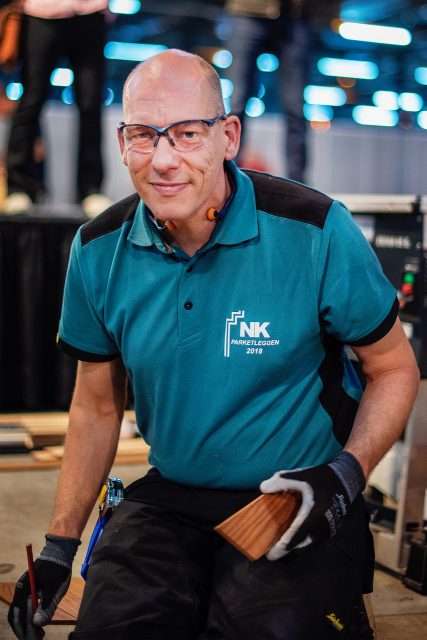
Eric Jongmans is the chairman of the Gilde van Parketteurs and has been a Master Parquet Installer since 2012. He brings more than 40 years of experience “on the floor” and runs his own company specializing in traditional parquet floors. During the workshops, he is supported by several guild members who represent the parquet craft in a masterful way. Eric knows better than anyone how to share his passion for the craft and enjoys inspiring others with this unique and versatile profession.

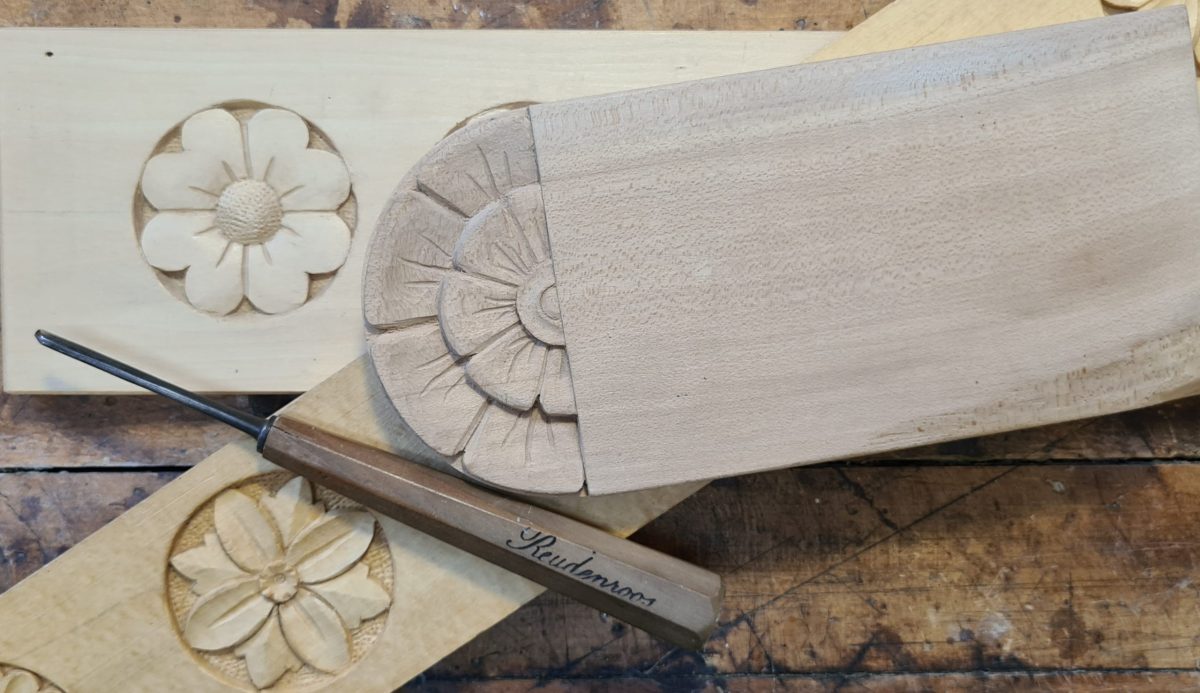
In a small group, you will work under intensive guidance to decorate a wooden board with a flower or rosette. You will develop this step by step: from transferring the design onto the wood to shaping it with carving gouges and carefully finishing the surface.
You will take your carved wooden board home, where you can use it, for example, as a tapas board.
Wood carving has many facets. As a woodworker, you work with a variety of machines to prepare the wood, and then use a wide range of hand tools to further shape it into the final result. A beautiful craft that allows you to create stunning objects with a unique end product.
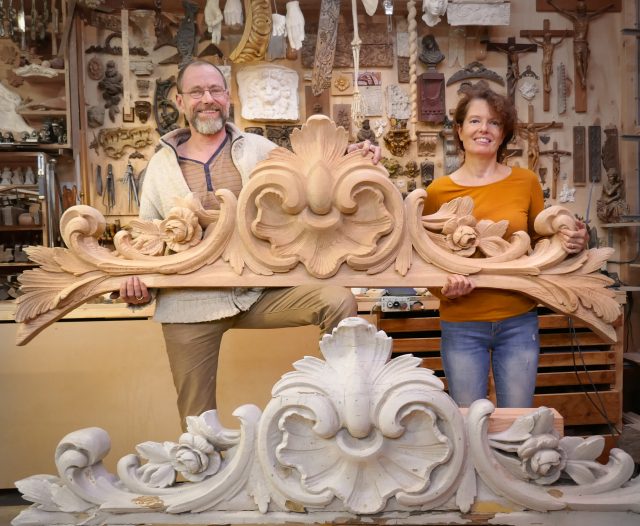
Eelco van Roden and Isabel Vicente of Atelier Reudenroos have been active since 1992 across all areas of fine, traditional woodworking: wood carving, sculpture, design, furniture making, and restoration of sculptures and furniture. They specialize in restoring and replacing wooden ornaments and carvings in historic buildings. In addition to their restoration work, they have been organizing wood carving and sculpture courses since 2009.
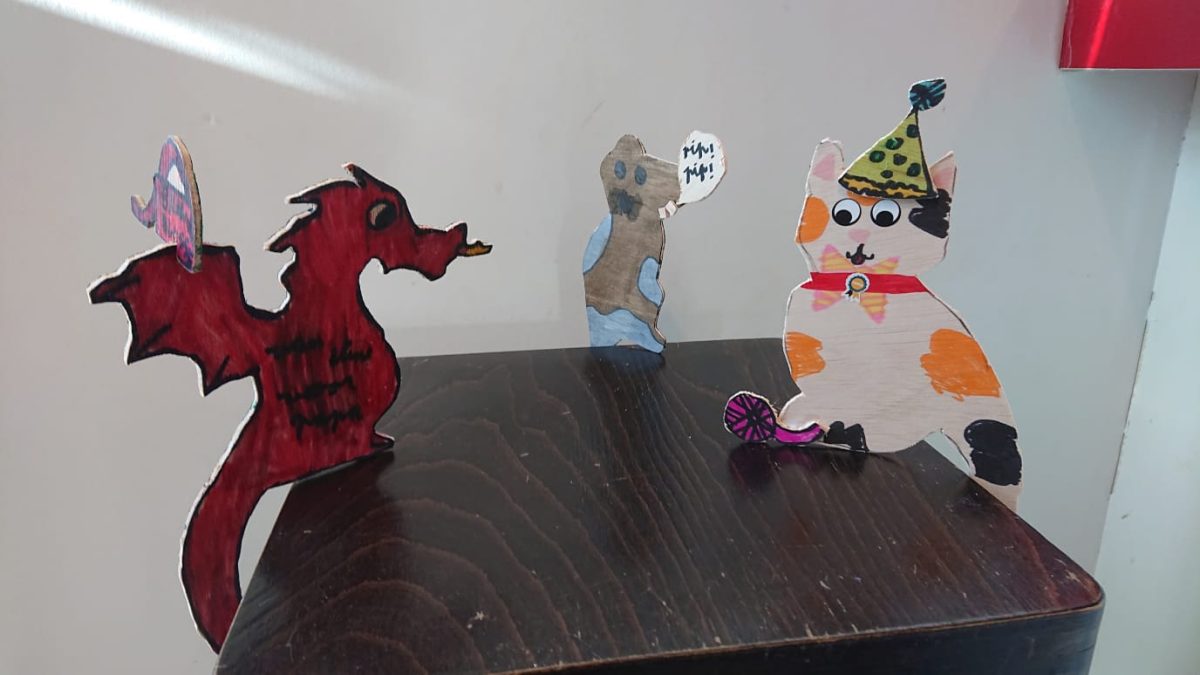
For children aged 7 and up. Adults who want to learn coping saw techniques to pass this knowledge on to children are also welcome.
Discover how fun coping saw work is and create your own wooden waving animal. During this workshop, you will learn the basics of coping sawing, sanding, and assembling. Step by step, a moving animal takes shape that happily waves when you set it in motion. A hands-on piece where technique, creativity, and wonder come together.
You will take home a surprising creature.
Technika10 Leiden has existed for over 25 years and aims to promote technical skills and knowledge of technology among children. They organize workshops that inspire wonder and are educational. Real tools and materials are used, such as wood, metal, and motors powered by batteries or solar cells.

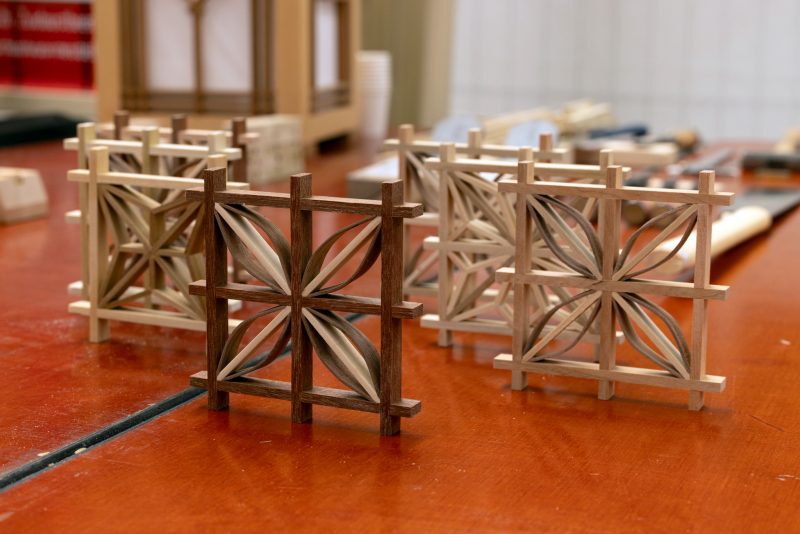
Japanese Kumiko is a refined woodworking craft used in the creation of shoji (room screens). This traditional technique requires great precision and craftsmanship. Each piece of wood is carefully cut and shaped to fit into a pattern, resulting in a seamless and sturdy construction. No glue or nails are used. The patterns range from simple to highly complex and often carry symbolic meanings. Kumiko combines structural strength with elegance and reflects the Japanese appreciation for craftsmanship, simplicity, and harmony with nature.
During the workshop, you will learn the basic techniques of sawing and cutting wooden strips, where precision is essential. You will create your own Kumiko panel, optionally finished with rice paper. Perfect as a decorative artwork, coaster, or window hanging for your home.
De Beemster School voor Meubelmaken is a school for both professional furniture makers and hobbyists. Located in the Beemster UNESCO World Heritage Site, the school provides an inspiring setting for anyone who wants to learn the art of woodworking. The school is known for its hands-on approach, with participants working with their hands from day one. Experienced instructors guide them in developing both traditional craftsmanship and modern techniques. The school offers a wide range of courses and workshops. With a strong focus on quality and sustainability, De Beemster School voor Meubelmaken is dedicated to training craftspeople and enthusiasts who are capable of creating high-quality, handcrafted furniture.
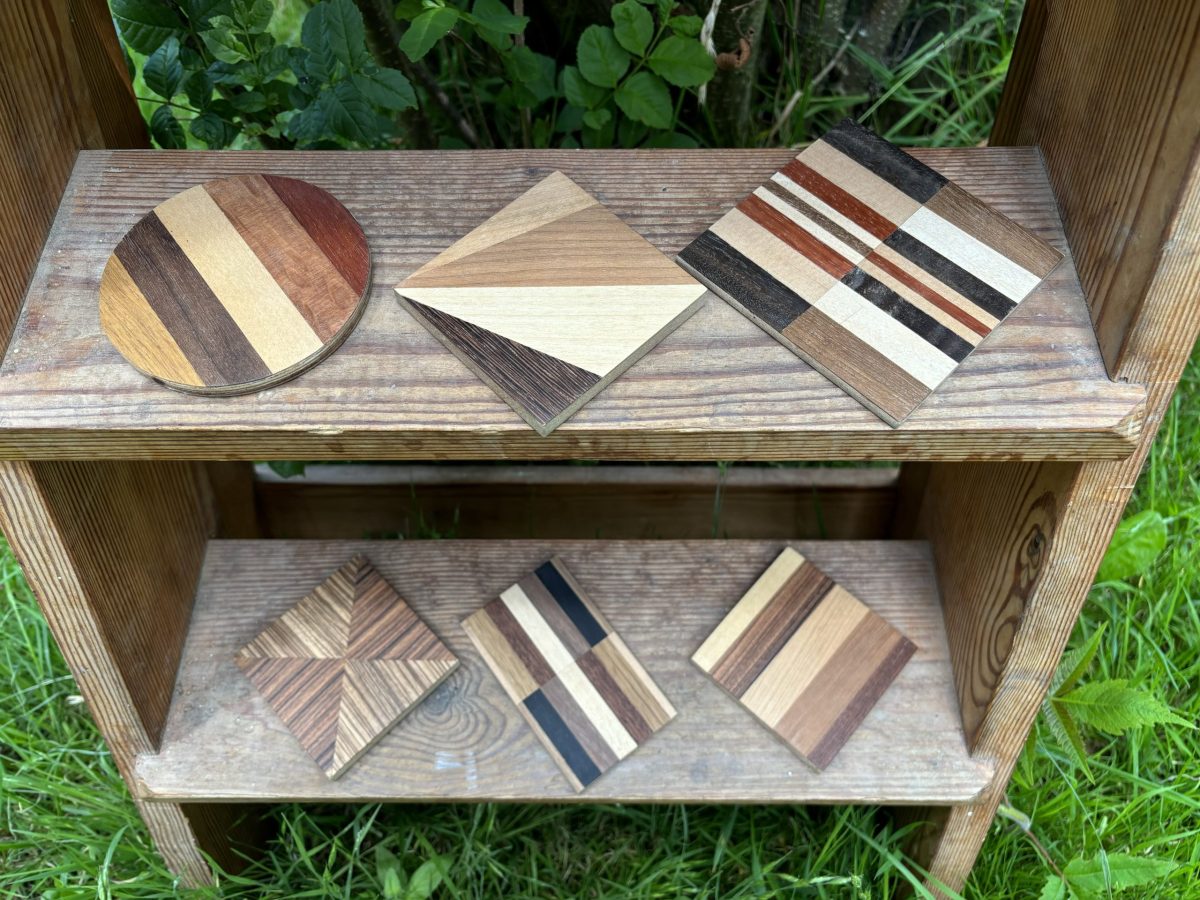
During this workshop, you will learn how to combine different types of veneer to create beautiful, unique patterns. The thin wood is carefully cut and assembled into a composition of your own design, then glued and finished. At the end of the workshop, you will take home a handmade decorative coaster that is both functional and stylish.
Marquetry is a woodworking technique in which very thin pieces of wood are cut, assembled, and glued onto a solid wood base. By using different wood species with their natural colors, it is possible to create unique images and patterns. This refined craft requires great skill and precision, as every piece of veneer must fit perfectly to form a seamless whole. The result is a unique decorative surface that highlights the natural beauty and variety of wood. This technique is used in furniture, artworks, and interior design elements, offering a distinctive combination of visual elegance and craftsmanship.
De Beemster School voor Meubelmaken is a school for both professional furniture makers and hobbyists. Located in the Beemster UNESCO World Heritage Site, the school provides an inspiring setting for anyone who wants to learn the art of woodworking. The school is known for its hands-on approach, with participants working with their hands from day one. Experienced instructors guide them in developing both traditional craftsmanship and modern techniques. The school offers a wide range of courses and workshops. With a strong focus on quality and sustainability, De Beemster School voor Meubelmaken is dedicated to training craftspeople and enthusiasts who are capable of creating high-quality, handcrafted furniture.
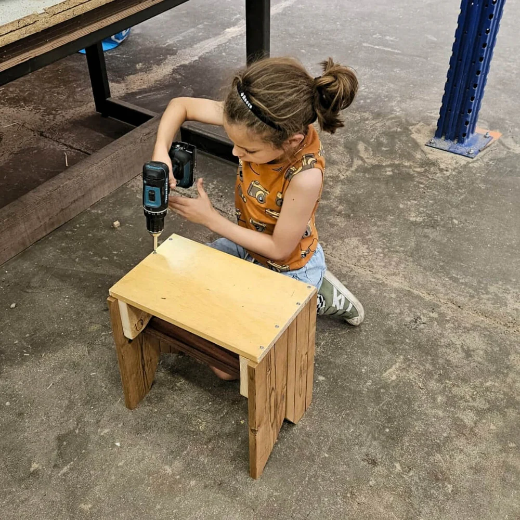
In this workshop, you will work together with your (grand)parent on recycled wood and build a small bench to take home with you. Guided by an experienced woodworker, you will learn in a playful and accessible way how to use basic tools such as a saw, hammer, drill, and screwdriver. No experience is needed: the focus is on enjoyment, making, and discovery.
The workshop is about collaboration, creativity, and experiencing how beautiful and valuable reclaimed materials can be. You will learn the basics of woodworking and how leftover wood gets a second life. At the end of the workshop, you will go home with new skills, inspiration, and a handmade piece of furniture.
Per duo, 1 ticket is required.
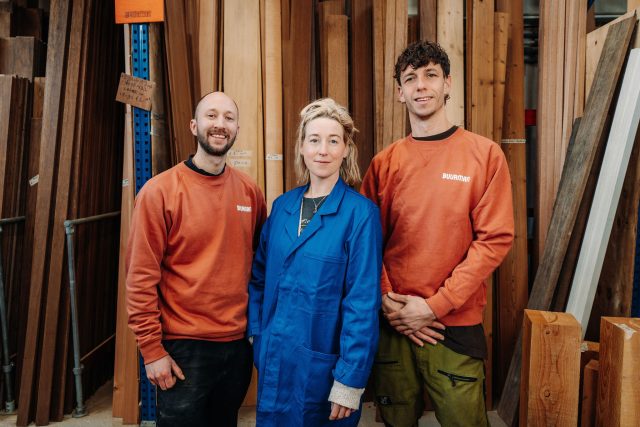
At Buurman Amsterdam, everything revolves around circular making. “In our workshop we give leftover and waste wood a second life and show people how fun and accessible woodworking can be. We combine a circular hardware store with educational workshops and courses, where participants learn to design, build, and repair using reclaimed materials. By locally rescuing materials from the waste stream and working with them, we make reuse tangible and practical. We strongly believe in learning by doing: working with your hands, discovering new skills, and creating something you are proud of together. Step by step, we are building a world where reuse becomes the norm.”
The workshops at Buurman Amsterdam are led by enthusiastic makers and wood lovers with a passion for circular building and knowledge sharing. With great energy, they guide participants step by step through the making process and create a welcoming, safe, and inspiring atmosphere in the workshop. Whether it’s your first time holding a drill or you’ve done DIY before: everyone is welcome. The instructors believe in learning by doing and help participants gain confidence while working. Alongside technical skills, they also share their enthusiasm for reuse, creativity, and sustainable material use. Each workshop is not only about making something, but also about learning to see materials and possibilities differently.


Learn to turn a wooden bowl on the lathe with a maximum diameter of 20 cm. In this workshop, you will receive information about various techniques and design approaches. You will go home with your own wooden bowl.
Mark brings two workstations, so two participants can follow this workshop at the same time. Last year, this workshop sold out within 10 minutes, so be quick if you want to get acquainted with the craft of woodturning.
Woodturning on a lathe is an ancient technique. The first lathes were powered by a bow (the pole lathe) or later by foot power (treadle lathe). After that came motor-driven lathes; the machines became larger and heavier and no longer fit into small spaces. It was only after the Second World War that electrically driven lathes became more common, and smaller versions also appeared. Today, interest in woodturning is increasing again.
In the Netherlands (RADIUS), Belgium (Flemish Guild of Woodturners), and other nearby countries, associations have been founded with the aim of promoting woodturning as a craft.
Mark Steltenpool is a versatile Dutch woodturner, furniture maker, and restorer. His passion for woodworking started as a hobby and grew into a professional craft. He trained in furniture making and furniture restoration at the Hout- en Meubileringscollege in Amsterdam.
The Dutch Woodturning Association RADIUS consists of 16 active regional branches. The association publishes a full-colour quarterly magazine called AktieRadius and organizes an annual woodturning day at a central location in the Netherlands. This day features demonstrations, lectures, information, and the sale of woodturning equipment from various suppliers.
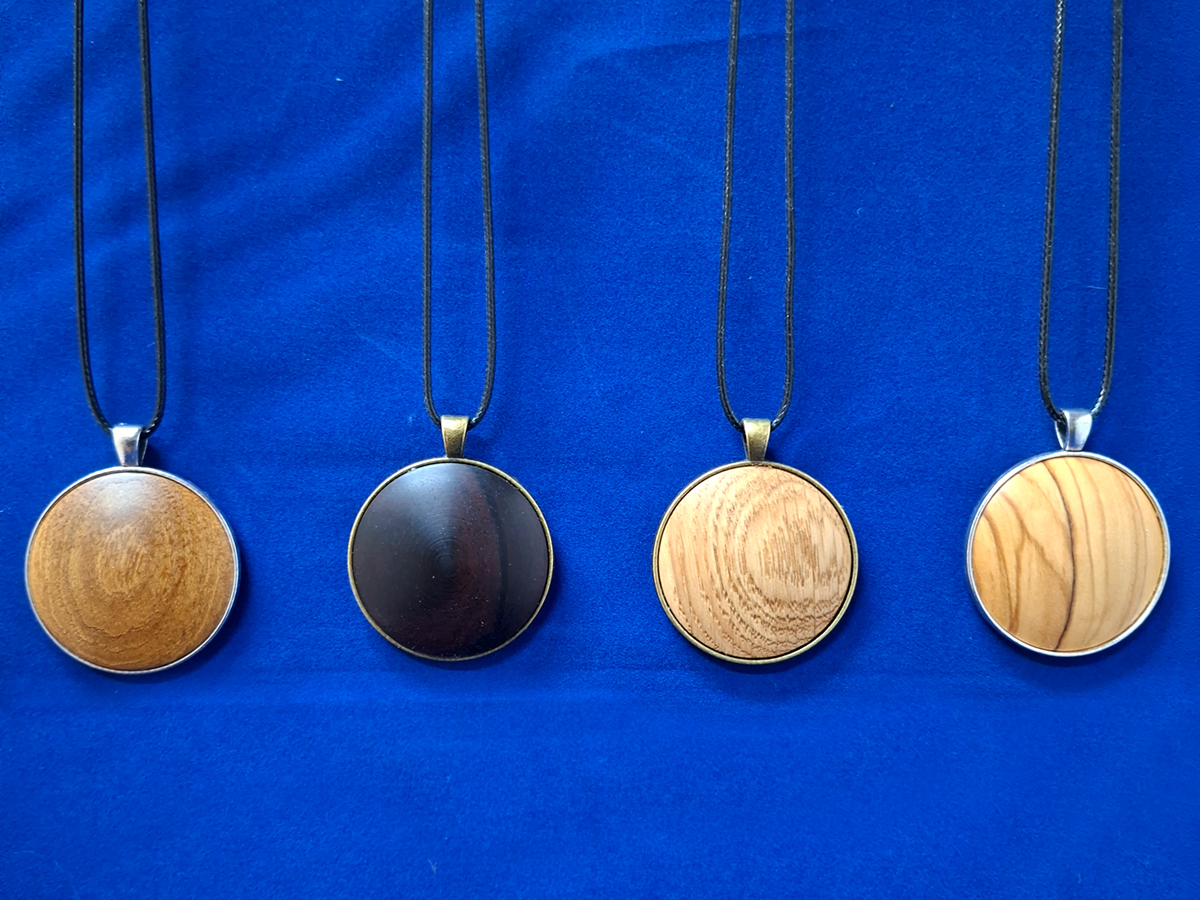
In this one-on-one workshop, you will learn how to use wood turning techniques to create a flat, round shape yourself. There are different types of wood to choose from.
You will go home with a brass pendant and a cord, as shown in the photo, and you can wear the necklace immediately.
Wood turning on a lathe is an ancient technique. The first lathes were powered by a bow (the pole lathe) or later by foot power (treadle lathe). After that came lathes driven by a motor; the machines became larger and heavier and no longer fit into small spaces. It was only after the Second World War that electrically powered lathes became more common, and smaller versions also appeared. Nowadays, interest in wood turning is increasing again.
In the Netherlands (RADIUS), Belgium (Flemish Guild of Woodturners), and other nearby countries, associations have been founded with the aim of promoting woodturning as a craft.
Gerald Ligthart of the Dutch Woodturning Association RADIUS is a Dutch woodturner who has gained recognition through his demonstrations of turning so-called “Chinese balls”—complex wooden spheres considered a technical masterpiece within woodturning.
RADIUS consists of 16 active regional branches. The association publishes a full-colour quarterly magazine called AktieRadius and organizes an annual woodturning day at a central location in the Netherlands. This day features demonstrations, lectures, information sessions, and the sale of woodturning equipment by various suppliers.
Festival address:
NDSM Loods
NDSM-Plein 85
1033 WC Amsterdam
Postal address:
Stichting Ambacht in Beeld
Kalf 158
1509AH Zaandam
The Netherlands