How to plaster like a master? Watch how a plasterboard is applied to a wall with lime mortar; the basics of plastering. You are invited to try it yourself.
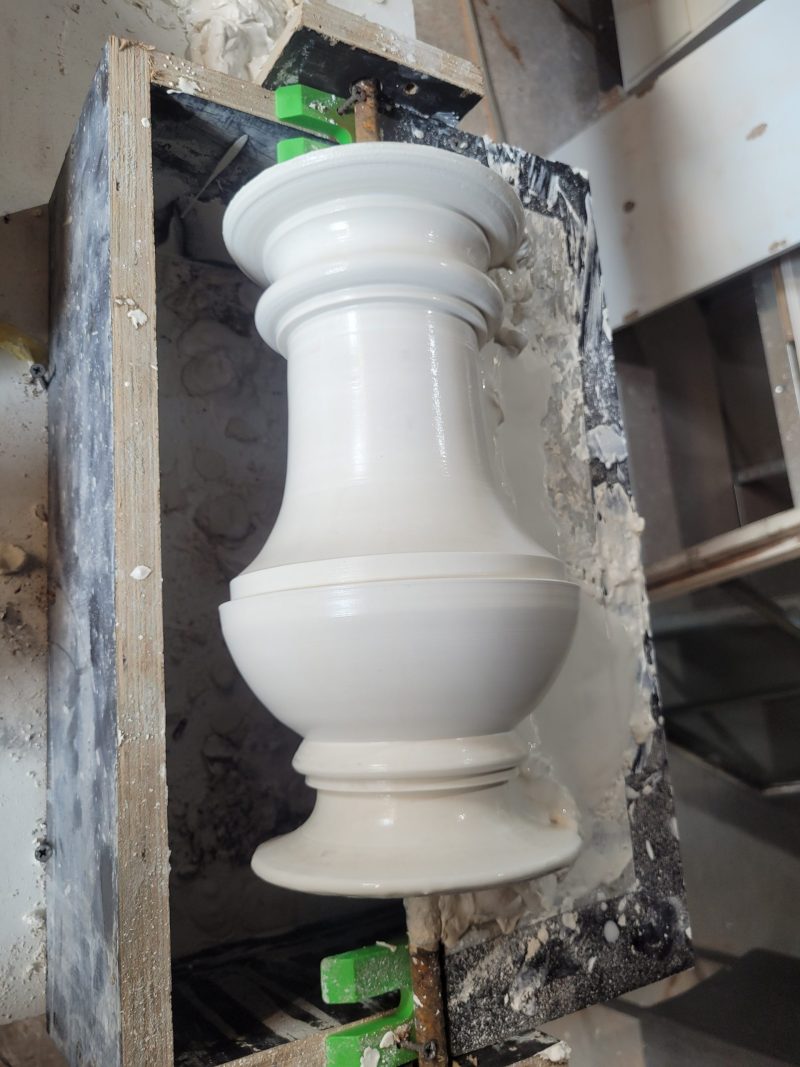
During the workshop, discover how a baluster (the spindle of a balustrade or stair railing) is made in a lathe with a zinc mold and crank handle, just like the original, and learn how to make a plaster or silicone mold from it.
Next, you’ll cast a baluster, a base, and a top plateau using model plaster. Participants will be guided in making a plaster molding, which can then be used to add a dentil molding to the plateau.
You’ll go home with your own baluster.
The Dutch Plaster Guild, the national association of master restoration plasterers, has approximately 45 independently operating member companies throughout the Netherlands, all of whom have proven themselves in the field of decorative and/or restorative plasterwork.
They work both indoors and outdoors, preferably on monumental facades or interiors. They are also skilled in all modern plastering techniques. The plasterers work with air lime, hydraulic lime, gypsum, cement, and resin-bound materials, and master specialized techniques for creating glossy plasters, concrete finishes, frescoes, graffiti, moldings and ornaments, stucco marble, and gilding.
Marcel Vlasblom is a member and secretary of the Dutch Plastering Guild and the owner of Marcel Vlasblom Plastering Company in Geervliet. The company specializes in restoration and decorative plasterwork, both indoors and outdoors. Marcel enjoys spectacular stucco designs and has a predilection for Art Nouveau and Art Deco design, as well as geometric shapes and patterns. He also teaches at the restoration training program for plasterers in Veenendaal.


Bring your favorite old sweater, worn-out jeans, or grandma’s scarf and transform it into a unique and personal garment during this alterations workshop.
The students in the Basic Fashion Associate program at ROC van Amsterdam/Flevoland are experts in applying alterations and repair techniques.
For the Oceanista exhibition at The National Maritime Museum, they created beautiful designs that showcase these techniques. During the Ambacht in Beeld Festival, these students will give workshops in various techniques, such as darning, crochet, and appliqué. You’ll learn how to perform and apply these techniques to give your own clothing and textiles a new lease on life.
Oceanista
From Chanel to Jean Paul Gaultier and from streetwear to haute couture: the influences of the sea and life on the water are reflected in many wardrobes.
Starting October 10, 2025, the temporary exhibition “Oceanista” will be on display at the National Maritime Museum in Amsterdam: a multifaceted and stimulating fashion exhibition that captivatingly connects the maritime past, contemporary fashion, and the sustainable future of clothing.
“Oceanista” will take visitors on a journey through maritime-inspired designs by international giants such as Chanel, Maison Margiela, Versace, Jean Paul Gaultier, Thom Browne, Balmain, Off-White/Virgil Abloh, and Moncler, as well as by Dutch designers making a name for themselves with sustainable and distinctive designs. Think of Iris van Herpen, Duran Lantink, Botter, Martan, Camiel Fortgens, Niño Divino (Darwin Winklaar), and Yousra Razine Mahrah.
The exhibition, divided into nine diverse themes, explores how the maritime world leaves its mark on fashion through materials, silhouettes, and prints, and demonstrates how designers use these influences to highlight topics such as sustainability, heritage, and identity. Oceanista also offers space for a broader social conversation: about what sustainable fashion actually is, and how we can reconcile our need for expression with a cleaner planet.
A special feature of the exhibition is the Oceanista Atelier, developed in collaboration with students from the Basic Fashion Associate program at ROC Amsterdam. Here, the focus is on slow fashion: designing timeless, repairable clothing with a minimal ecological footprint. Students will showcase their own designs and provide tutorials on traditional crafting techniques. Visitors can sketch their own sustainable garment.
Practical information

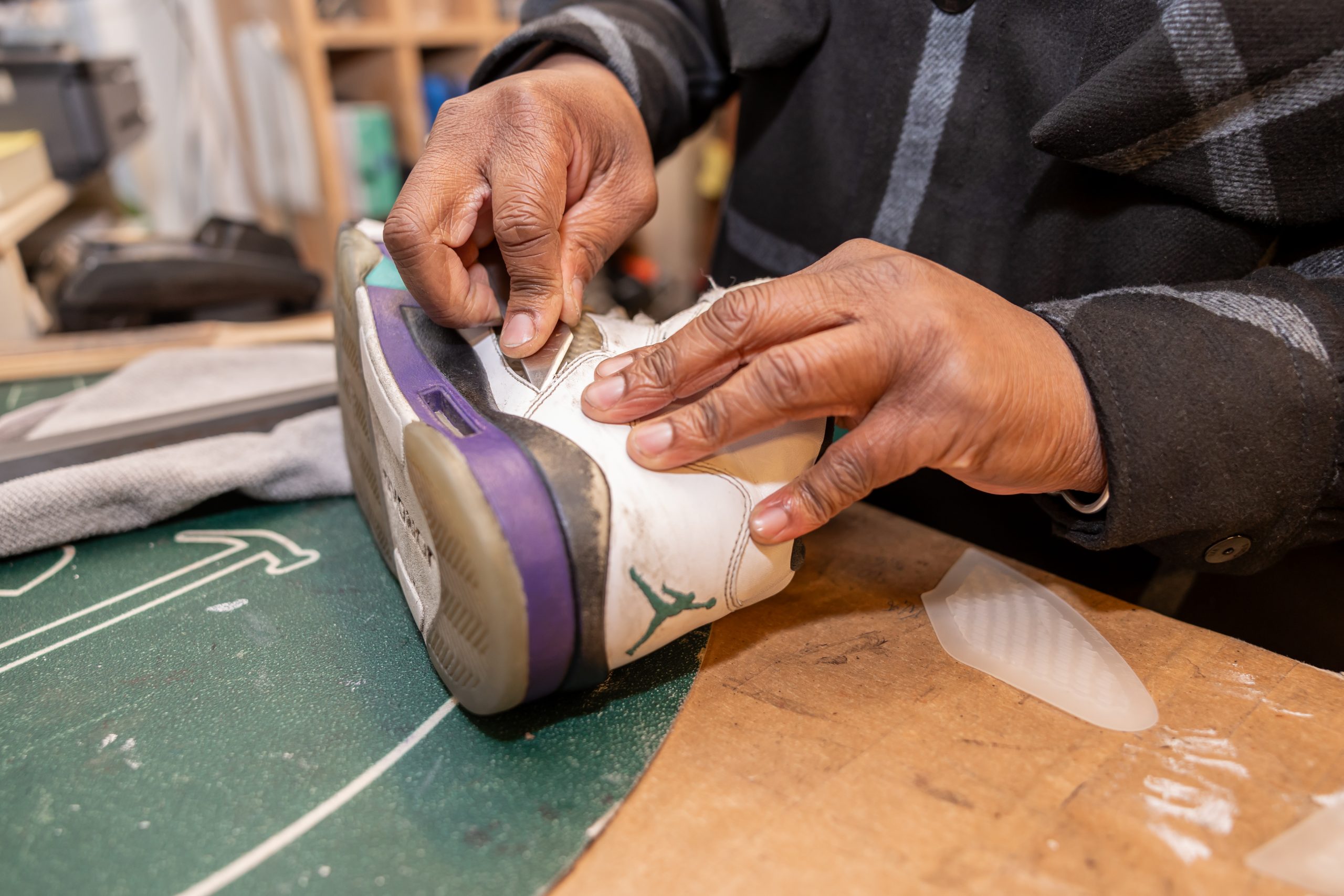
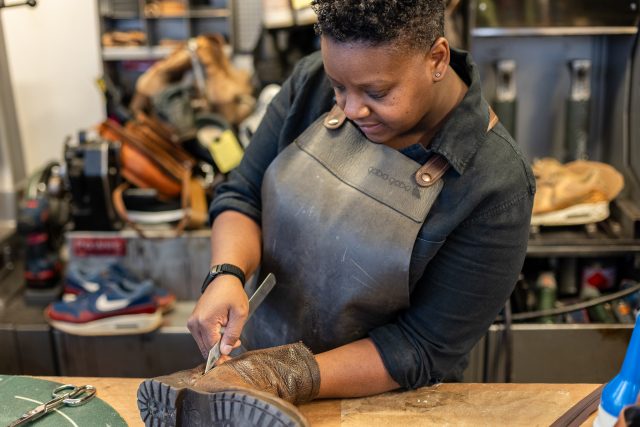
This workshop will cover various maintenance techniques and materials used in shoemaking.
You’ll learn how to make small repairs to loose parts, holes, or broken heels.
Bring your favorite sneakers and learn how to clean them; which product should you use for which material?
After these workshops, you’ll know exactly how to best care for your beloved shoes, so you can enjoy more wonderful adventures together!
You’ll go home with your own refurbished shoes.
Femke Dix is the face of Shoemaker Sole. The place where her passion and love for shoes are expressed and where she provides personalized attention to ensure your shoes are ready to wear again. With Sole, Femke wants to create a place where all shoes and people are welcome. A no-nonsense, honest, and friendly shoemaker.
Femke says: “Every shoe has a story.” So what will the next chapter be?
Practical information
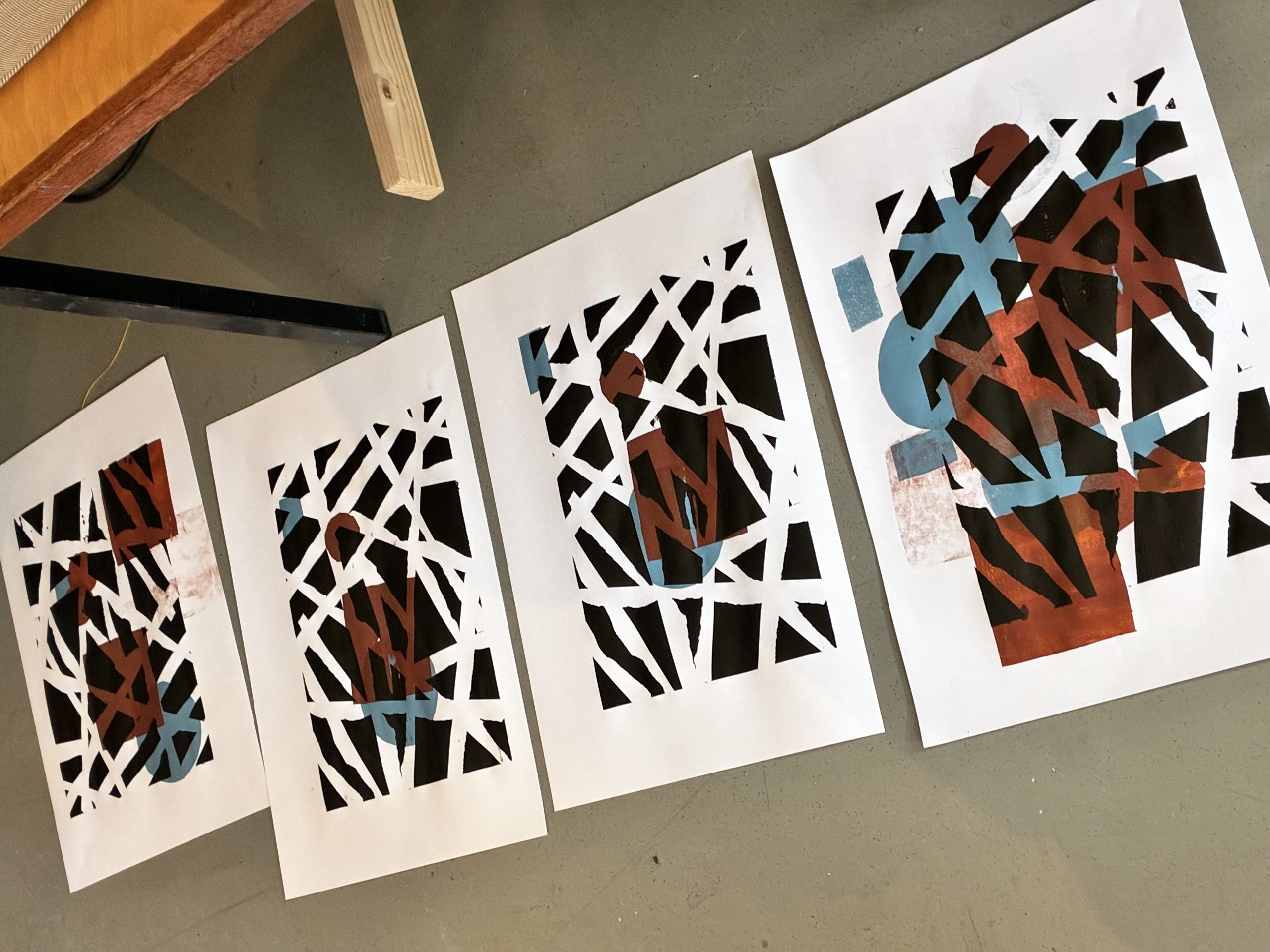
In the screen printing workshop Cut & Play, you’ll explore shape, color, and layering by cutting forms from paper and using tape to create your own playful design. From this design, you’ll make a silkscreen print directly onto your own shirt or sweater.
You’ll head home with a series of experimental prints you created yourself, plus a goodie bag.
Screen printing is a graphic stencil technique suitable for printing on a wide variety of materials such as textiles, paper, cardboard, glass, wood, and plastics. A handmade stencil or light-sensitive emulsion is applied to a mesh screen. Ink is then pressed through the stencil with a squeegee onto the chosen surface.
Michael van Kekem works as an illustrative designer and printmaker. Within the fields of illustration, graphic design, and printmaking, he creates editorial illustrations, prints, visual identities, zines, and a range of other products. He regularly gives printmaking workshops (screen printing, etching, and linocut) at events, for companies, and for private individuals of all ages. Michael also frequently exhibits his personal work.
Practical information
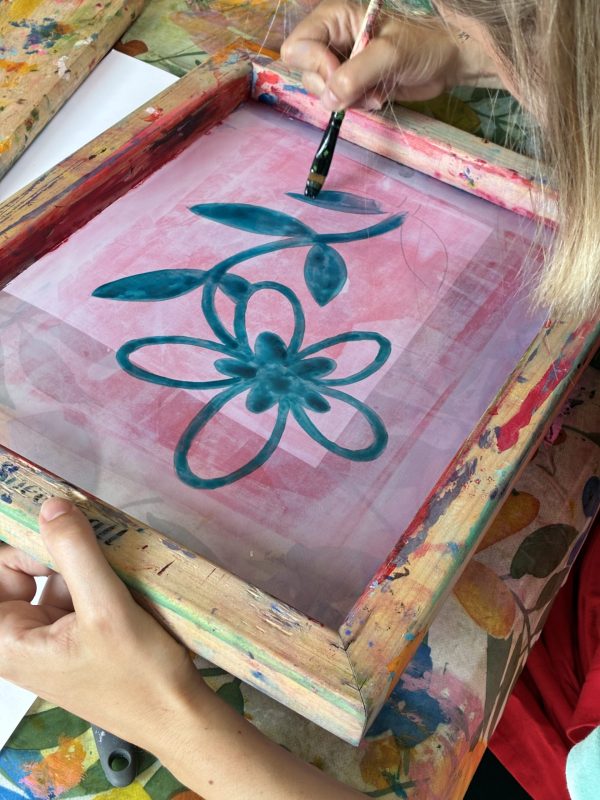
In the screen printing workshop Draw & Print, you’ll playfully dive into creating your own design — either on A4 format or in two layers on A5 format. You’ll draw directly onto a blank silkscreen frame. Using a special emulsion layer, your design is rinsed out with water, opening up the stencil in the screen. This allows you to print your design in, for example, two layers of ink on paper and/or textiles. If you like, you can even bring your own shirt or sweater to print on.
You’ll go home with a series of experimental prints of your own creation, plus a goodie bag.
Screen printing is a graphic stencil technique suitable for printing on a wide range of materials including textiles, paper, cardboard, glass, wood, and plastics. A handmade stencil or light-sensitive emulsion is transferred onto a mesh screen. Ink is then pressed through the stencil onto the chosen surface using a squeegee.
Michael van Kekem works as an illustrative designer and printmaker. Within the fields of illustration, graphic design, and printmaking, he creates editorial illustrations, prints, visual identities, zines, and a variety of other products. He regularly teaches workshops in printmaking (screen printing, etching, and linocut) at events, for companies, and for individuals of all ages. Michael also frequently exhibits his personal work.
Practical information
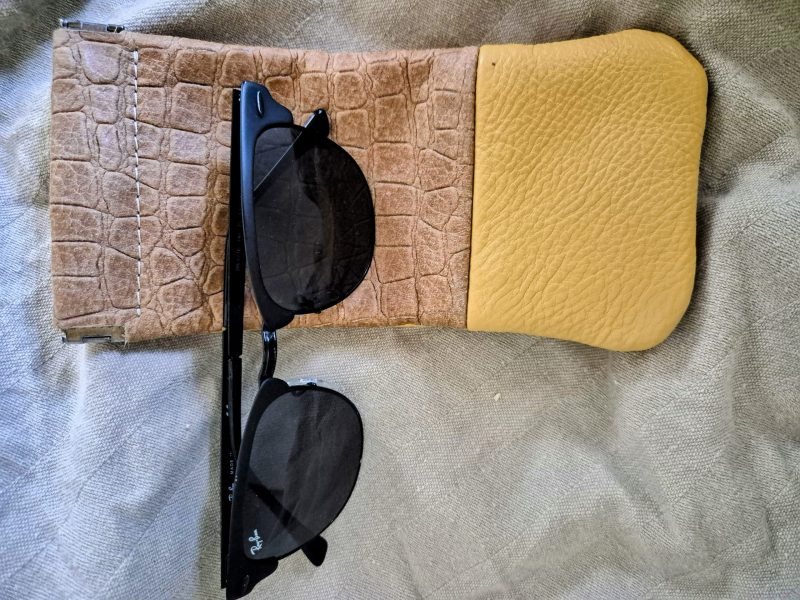
In this workshop, you’ll learn the basic skills of working with leather, including cutting, skiving, glueing, and stitching. Step-by-step, Raya van Lochem will guide you in creating a stylish and functional glasses case.
You’ll choose your own leather and work with an industrial skiving and leather sewing machine. This workshop is perfect for beginners as well as enthusiasts.
You’ll leave with a unique, handmade case for your glasses.
Het Ambachtshuis Brabant is a leading educational organisation for practical craft training, following a modern master–apprentice model. Their doors are open to all (young) adults who want to work with head, heart, and hands, regardless of their education, background, or skill set. Everyone is welcome to discover and develop their passion for craftsmanship. Students are trained in authentic techniques, ensuring that traditional crafts are passed down. Craftspeople are valued once again and in the spotlight! Ambachtshuis Brabant strives for honest products and experiences with a story, and through their courses, they aim to contribute to this mission.
Raya van Lochem graduated as an interior architect from the Maastricht Academy of Fine Arts. She then completed professional training as a bag maker. After passing her master’s exam, she launched her own brand, Raya. Her handmade bags are distinguished by a clear design language reflecting her love for architecture and graphic design. In addition, she teaches the professional bag-making programme at Het Ambachtshuis Brabant.

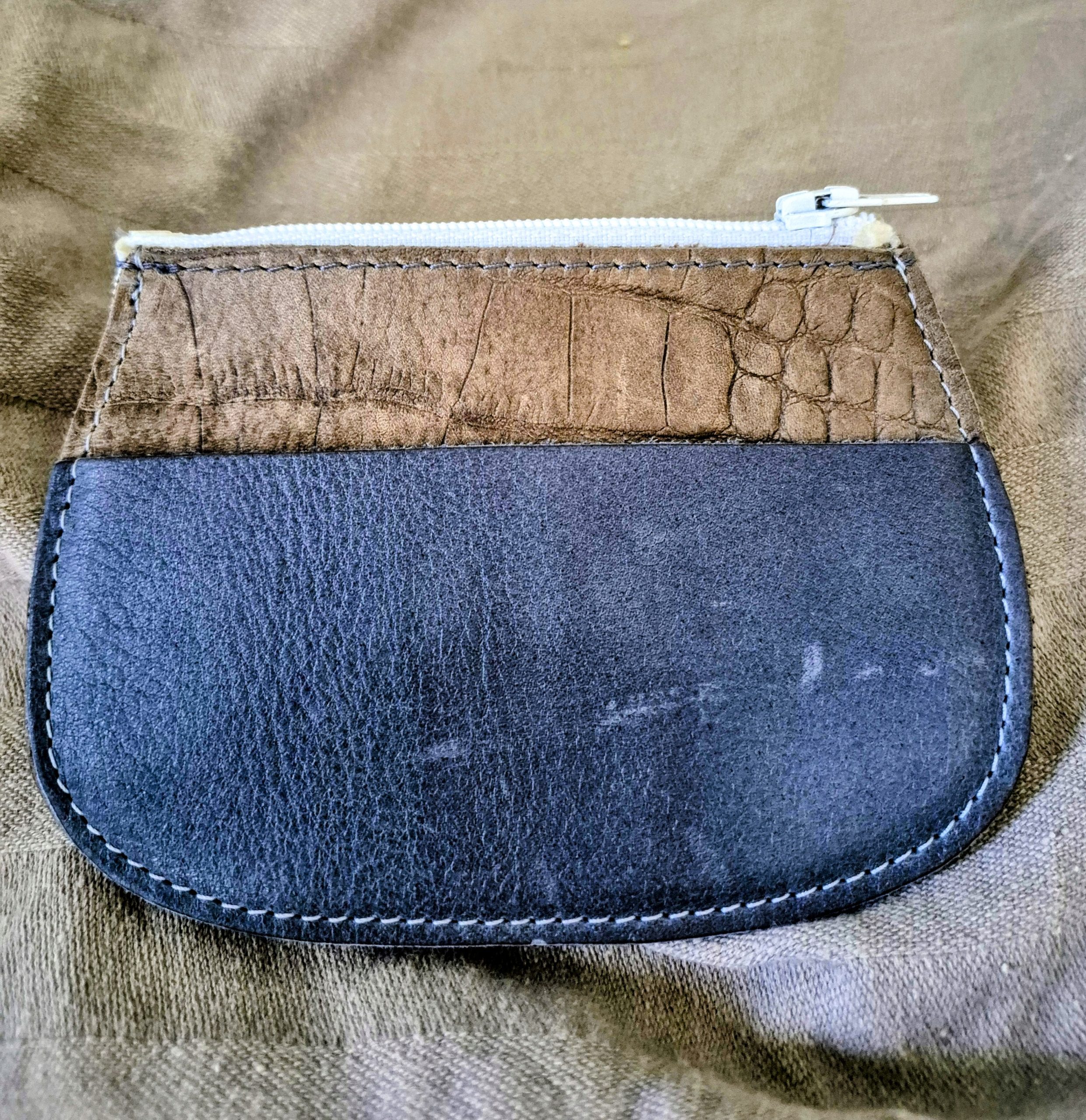
During this workshop, you’ll create a unique accessory from genuine leather that’s both beautiful and practical.
You’ll learn the basic artisanal techniques of leatherworking, such as cutting, linking, gluing, stitching, and zipper insertion. You’ll use professional tools and machines.
You’ll choose your own leather color and work with an industrial link and leather machine; this workshop is perfect for beginners and enthusiasts alike.
You’ll go home with your handmade leather wallet.
Het Ambachtshuis Brabant is a leading educational organization specializing in practical craft training, following a modern master-apprentice model. Their doors are open to all (young) adults who want to work with head, heart, and hands, regardless of their education, background, or skills. Everyone is welcome to discover and develop their passion for crafts. Participants receive in-depth vocational training focused on transferring authentic techniques. Craftspeople are gaining renewed appreciation and prominence! Het Ambachtshuis Brabant is committed to honest products and meaningful experiences with a story, contributing through their education programs.
Dorrith de Beer graduated from ArtEZ University of the Arts in Arnhem in 3D Design and Fashion, Design & Strategy. A few years later, she specialized in Foodwear & Design at SVGB OSLO in Nieuwegein. Although she started her career as a designer/stylist and shoe designer, she discovered that creating bags is her true love and passion. She now runs her own label, Dorrith Design, and owns a leather atelier where she teaches workshops and courses. In collaboration with Het Ambachtshuis Brabant, Dorrith helped develop the professional training program for leather bag makers and remains very active as an instructor.
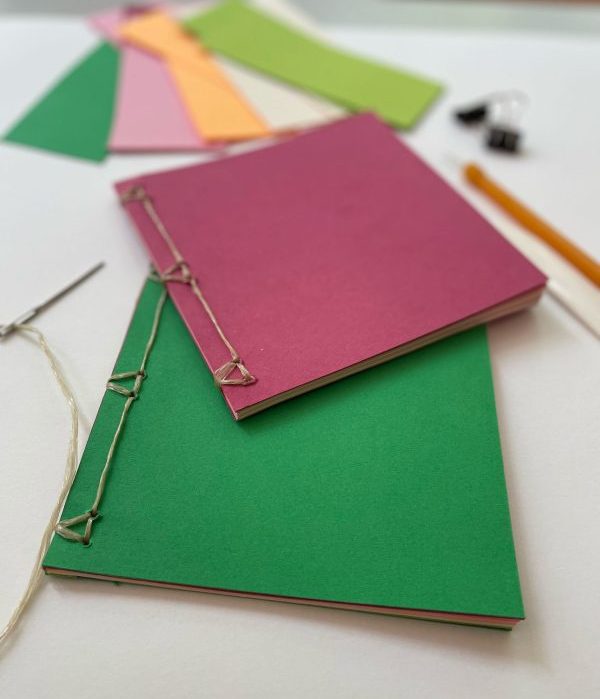
During this workshop for young and old, you will get started with making and binding a booklet in the Japanese style. This binding method was used for the famous Amsterdam School art and architecture magazine Wendingen. In it, artists shared their ideas, inspiration, and work.
You begin by selecting paper: which colours go well together, and which type of paper will you use for the cover? Then you start folding and binding. Using a bone folder, needle, and thread, and guided by instructions on binding, you assemble a booklet. If you have extra time, get inspired by the Amsterdam School artists and personalize your booklet.
You will go home with your very own booklet.
The artists of the Amsterdam School excelled in crafts. In response to industrialization over 100 years ago, they returned to making art objects entirely by hand, often from natural materials. This happened across many disciplines: there were sculptors associated with the movement, as well as ceramic and stained-glass artists, woodcarvers, bookbinders, and many graphic artists. The total product was important, often meaning that multiple artists from different disciplines collaborated on, for example, a building or interior.
Museum Het Schip is located in a whimsical working-class housing complex in Amsterdam West, designed by architect Michel de Klerk. This expressionist housing block was built in 1919 for the housing corporation Eigen Haard. Because of its shape, the building is colloquially called Het Schip (The Ship). It is considered one of the top examples of the Amsterdam School, a movement in architecture and decorative arts that spread throughout the Netherlands and is closely linked to the rise of good social housing through housing corporations.


Print your own poster with wooden letters? Yes, you can!
GWA – Grafische Werkplaats Amsterdam is bringing a small printing press, antique wooden letters, and ink again to the Ambacht in Beeld Festival. With these, you can design and print your very own personal poster.
GWA’s workshop, located nearby in the NDSM Loods, has an extensive collection of traditional graphic materials: printing presses, wooden letters, lead type, and everything you need for linocut, woodcut, and bookbinding. The foundation offers courses and workshops to anyone who wants to work with traditional printing techniques school classes, graphic students, artists, and lovers of handcrafted printwork. Step away from the computer!
This workshop is open to everyone from 8 years and older. You will work together with one other participant to create your own poster. The poster won’t be dry immediately; it’s best to let it hang as long as possible before taking it home, or you can pick it up later at the workshop.


In this inspiring session, you will create a small, colourful painting. You’ll learn how to recognize shapes within abstract backgrounds and discover the magic of various painting techniques.
We’ll work with acrylic paints, pencils, and ink, allowing you to develop your own unique style. Whether you’re a beginner or have some experience, let your creativity flow and join us for a fun painting session!
By the end of the workshop, you’ll take home a beautiful, self-made painting that sparks your imagination and deserves a special place in your home.
This workshop is also offered to participants aged 13 and up. Check the available times here.
Visual artist Kinga Wieczorek grew up in Zbąszyń, Poland. She graduated cum laude in 2008 from the Lyceum for Visual Arts in Zielona Góra, specializing in visual advertising, painting, and art history. From 2009 to 2016, she collaborated with Galerie Pretekst in Krakow, and her work was featured in the Polish film The Art of Loving.
Kinga mainly paints portraits in oil but also experiments with acrylic and texture paste, especially in landscapes. Her style is inspired by magical realism and realism, focusing on the connection between nature and humanity.
She caters to art lovers and private clients and offers a wide range of workshops and lessons in various techniques such as drawing, ink work, pastel, charcoal, acrylic, and oil painting. Kinga believes painting is a valuable investment in your own well-being. By first learning realistic drawing and painting, students can develop their own unique style.
Kinga now lives and works in Zaandam, where she runs her own studio. Besides her artistry, she teaches and serves as vice-chair of Stichting Tengel.
Practical information
Festival address:
NDSM Loods
NDSM-Plein 85
1033 WC Amsterdam
Postal address:
Stichting Ambacht in Beeld
Kalf 158
1509AH Zaandam
The Netherlands