Step into the world of a student at Hout- en Meubileringscollege (HMC). In the Creative Craftsmanship programme, students learn to combine the latest techniques with traditional crafts.
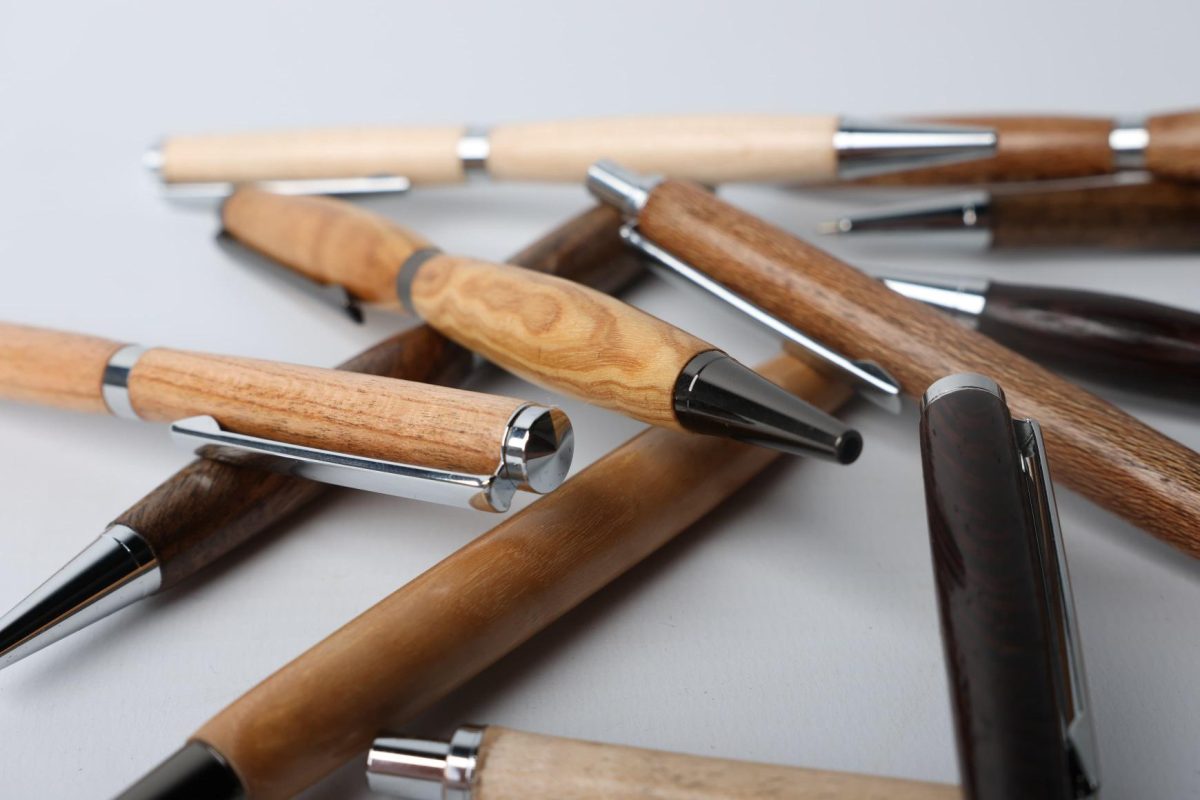
During this workshop, you will create your own wooden pen with guidance from an instructor. The wood has already been prepared and can be used right away to make your pen. You choose which type of wood you would like to use and, after a short introduction, you can get started.
You will learn how to turn wood on a lathe, how to hold a gouge, and what to pay attention to regarding safety. The workshop is suitable for both beginners and experienced makers.
At the end of the workshop, you will go home with a unique, handmade pen.
The Het Hout- en Meubileringscollege has been an independent vocational college (MBO) since 1929, training students to become creative professionals who have a place in the labour market now and in the future. It is a relatively small school, creating a personal atmosphere and a safe learning environment. HMC offers programmes in areas such as furniture making, interior design consultancy, creative craftsmanship, residential sales, carpentry, furniture upholstery and piano technology. The school also offers courses and training programmes for adults. In the Creative Craftsmanship programme, students learn to combine the latest techniques with traditional crafts.

Step into the world of a student at Hout- en Meubileringscollege (HMC). In the Creative Craftsmanship programme, students learn to combine the latest techniques with traditional crafts.
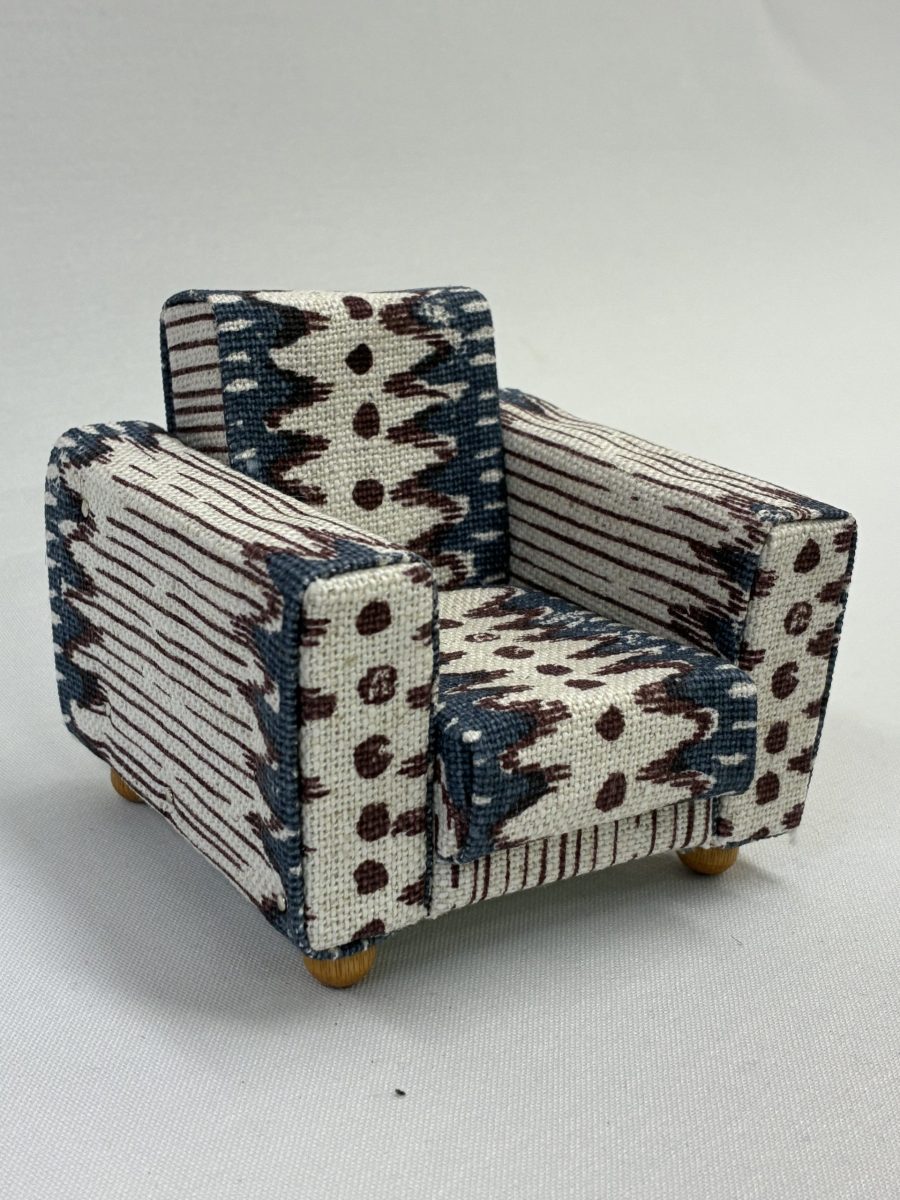
In this workshop, you will create a miniature chair, also known as a prototype. This allows you to discover and practise important techniques from the upholstery craft.
When upholstering a chair, it is important to determine the order of the different steps beforehand, so the chair can be finished beautifully as a whole. You will learn how to work with fabrics: which fabrics can be used, how to follow the direction of the fabric, what working with the grain means, and how to apply tension to the fabric.
You will create a small chair using a frame made of foam blocks, allowing you to stretch and attach the fabrics easily with pins. The fabrics and foam materials are leftover materials from other projects. At the end of the workshop, you will have upholstered a miniature chair with a fabric of your choice and finished it with original legs.
The Hout- en Meubileringscollege has been an independent vocational college (MBO) since 1929, training students to become creative professionals who have a place in the labour market now and in the future. It is a relatively small school, creating a personal atmosphere and a safe learning environment. HMC offers programmes in areas such as furniture making, interior design consultancy, creative craftsmanship, residential sales, carpentry, furniture upholstery and piano technology. The school also offers courses and training programmes for adults. In the Creative Craftsmanship programme, students learn to combine the latest techniques with traditional crafts.
Step into the world of a student at Hout- en Meubileringscollege (HMC). In the Creative Craftsmanship programme, students learn to combine the latest techniques with traditional crafts.
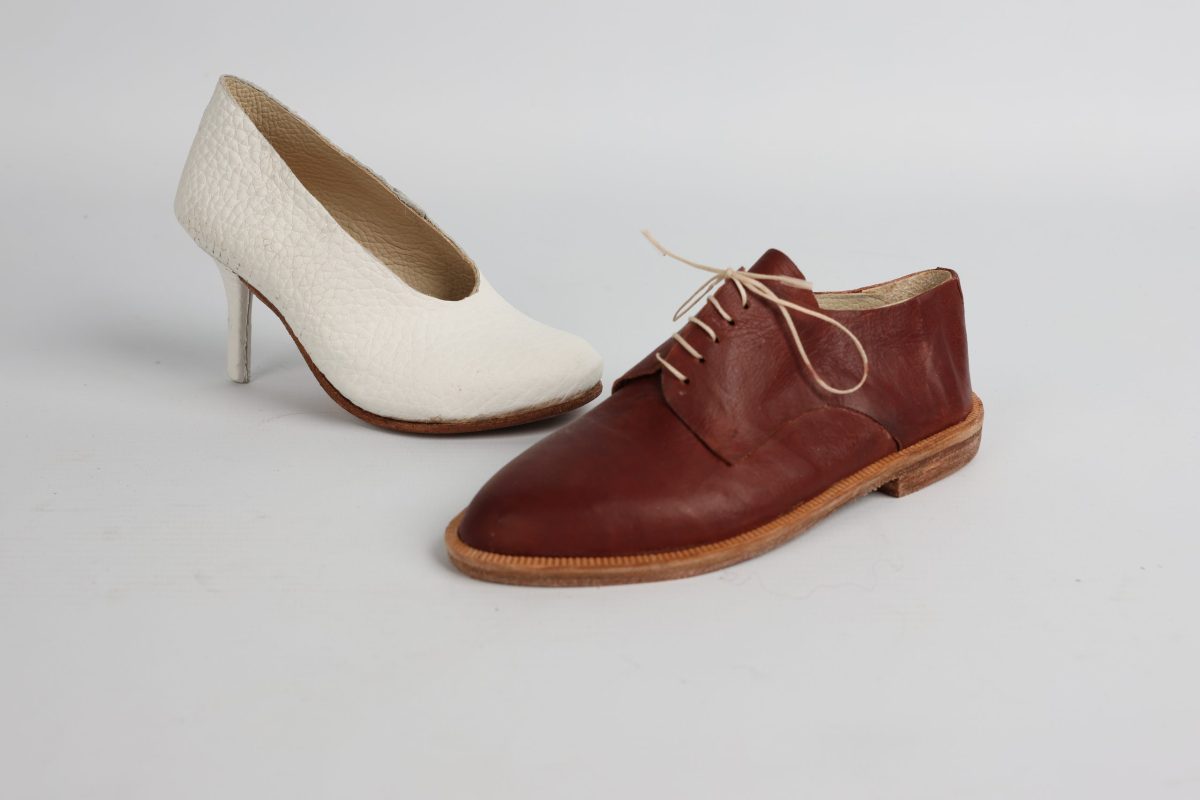
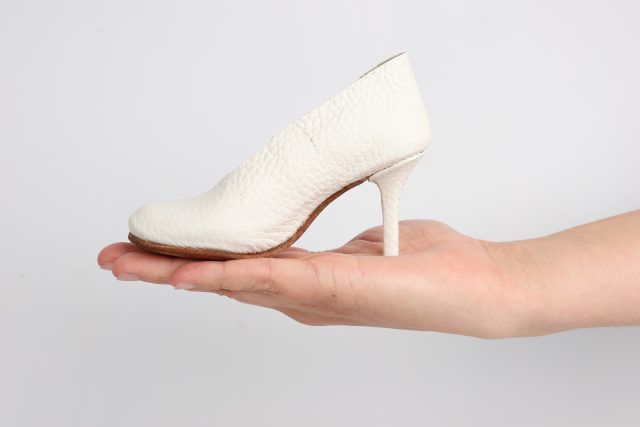
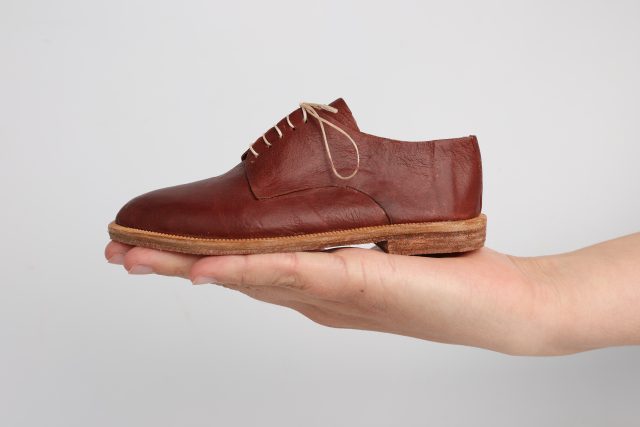
Do you love shoes? Have you always wanted to know how a traditional shoe is constructed? In this workshop, you will assemble a miniature shoe under guidance. You will discover the different components that make up a shoe, how a shoe is shaped around a last, and how the sole is built up.
You can choose between a men’s model (the Derby) or a women’s model (a pump with a high heel). These are adult shoe designs, recreated in miniature scale.
We assume you have an interest in making small objects. This workshop requires some dexterity and patience, as you will work with very sharp tools and use quite a lot of Velpon glue, which means your hands and clothes may get dirty. Therefore, the minimum age is 15 years. No sewing machine experience is required, as we will not be using one during the workshop.
At the end of the workshop, you will go home with a handmade miniature shoe and, if you did not already have it, an even greater appreciation for traditionally made shoes.
The Hout- en Meubileringscollege has been an independent vocational college (MBO) since 1929, training students to become creative professionals who have a place in the labour market now and in the future. It is a relatively small school, creating a personal atmosphere and a safe learning environment. HMC offers programmes in areas such as furniture making, interior design consultancy, creative craftsmanship, residential sales, carpentry, furniture upholstery and piano technology. The school also offers courses and training programmes for adults.
Step into the world of a student at Hout- en Meubileringscollege (HMC). In the Creative Craftsmanship programme, students learn to combine the latest techniques with traditional crafts.
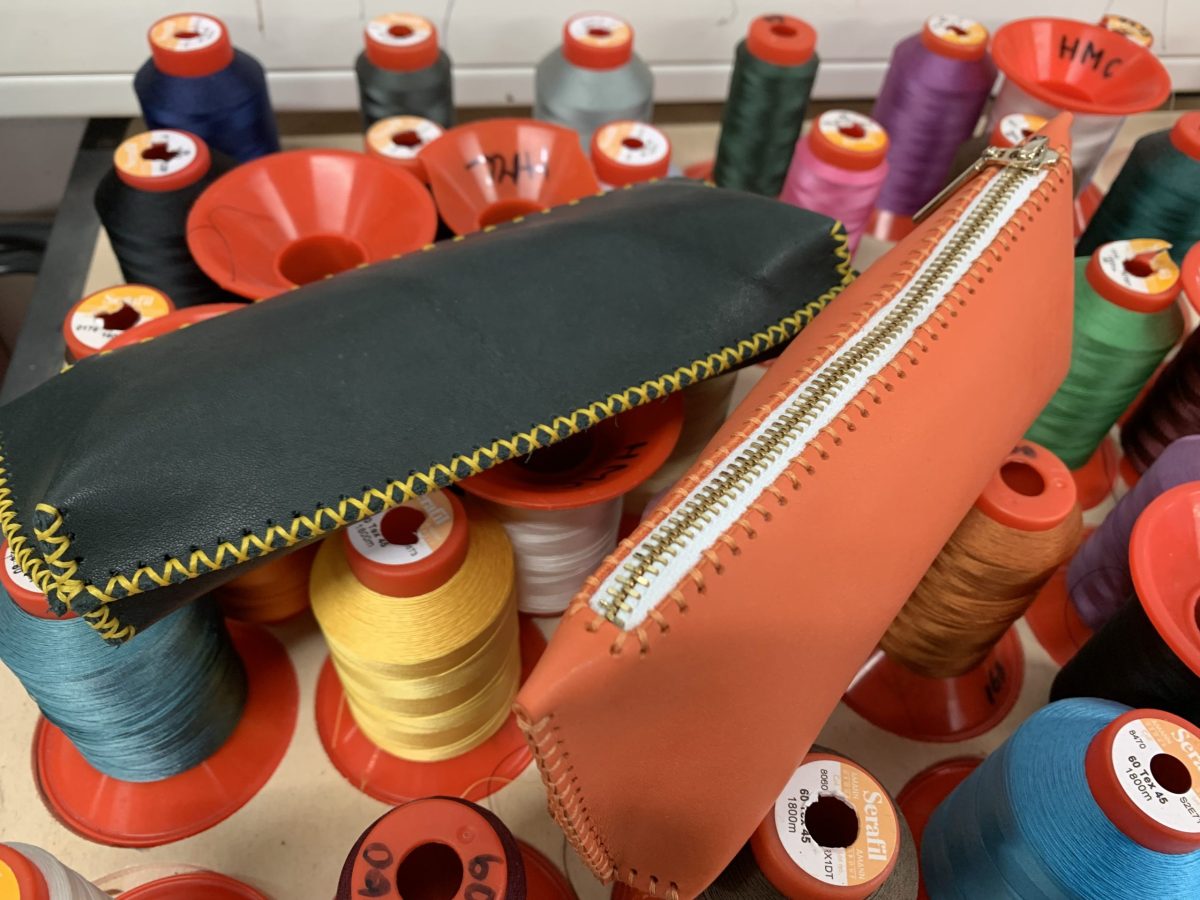
During this workshop, you will work with leather, a metal zip and waxed thread. You will learn step by step how to assemble the pouch by hand, using stitches such as the blanket stitch, running stitch or cross stitch, to create a beautiful final result. The workshop is suitable for everyone, regardless of experience. We use basic techniques and work with high-quality materials. After the workshop, you will take home a handmade, hand-stitched make-up bag/pouch.
The Hout- en Meubileringscollege has been an independent vocational college (MBO) since 1929, training students to become creative professionals who have a place in the labour market now and in the future. It is a relatively small school, creating a personal atmosphere and a safe learning environment. HMC offers programmes in areas such as furniture making, interior design consultancy, creative craftsmanship, residential sales, carpentry, furniture upholstery and piano technology. The school also offers courses and training programmes for adults.
Participation is at your own risk. Please do not wear highly flammable clothing!
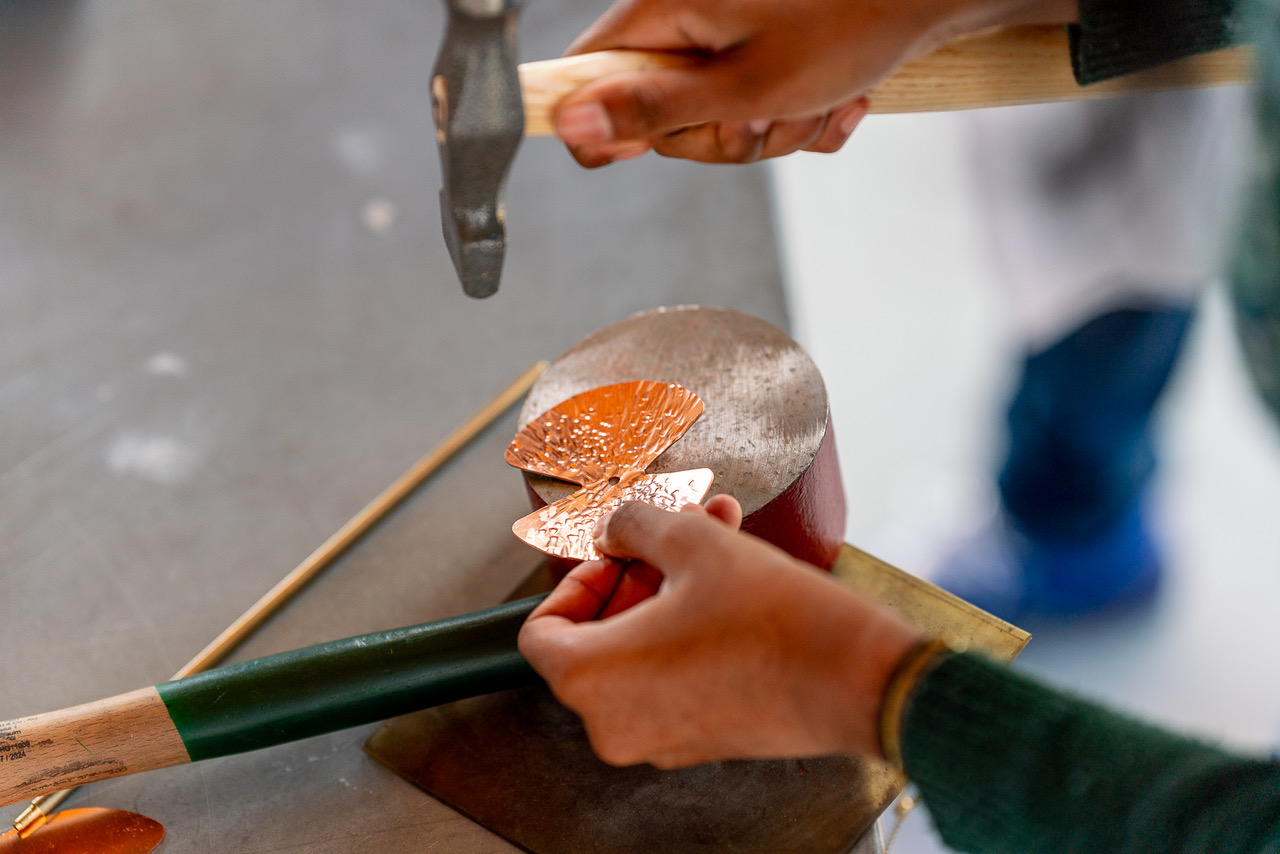
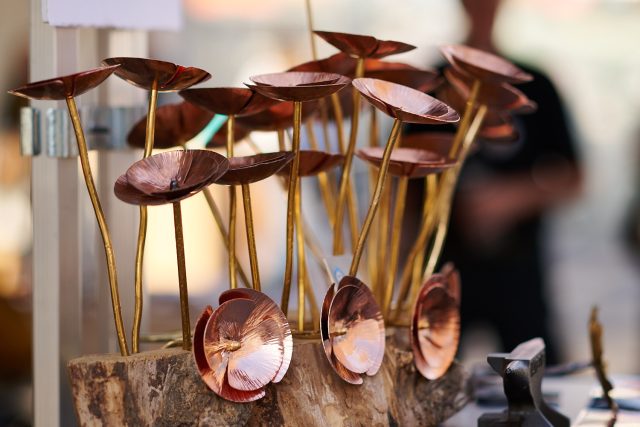
After an introduction to the history of the poppy, you will create your own copper flower using metal forming techniques. With the help of a hammer, the copper petals are shaped on the anvil into elegant flower petals. The leaves are then formed into shape on a hollowed-out plastic disc. The brass stem is threaded so that the petals can be attached to the stem.
After starting his own business in the metalworking industry, Cees Pronk began researching blacksmithing education in the Netherlands in 1999/2000. He discovered that a proper vocational training programme no longer existed, which inspired him to develop one himself. The learning objectives he wrote, approved by the Dutch Ministry of Education, Culture and Science (OCW), formed the foundation for the curriculum and teaching materials of Mondra Opleidingen. In addition to the Blacksmithing Training Programme, the organisation also offers a wide range of workshops and masterclasses for children, adults, artists and primary school pupils. All activities take place at Smederij Cornelis Pronk, the place to learn traditional blacksmithing techniques.
As of 1 January 2024, Smederij Cornelis Pronk has been taken over by Lotte Pronk, Cees Pronk’s daughter, ensuring that the business remains in the family.

Participation is at your own risk. Please do not wear highly flammable clothing!
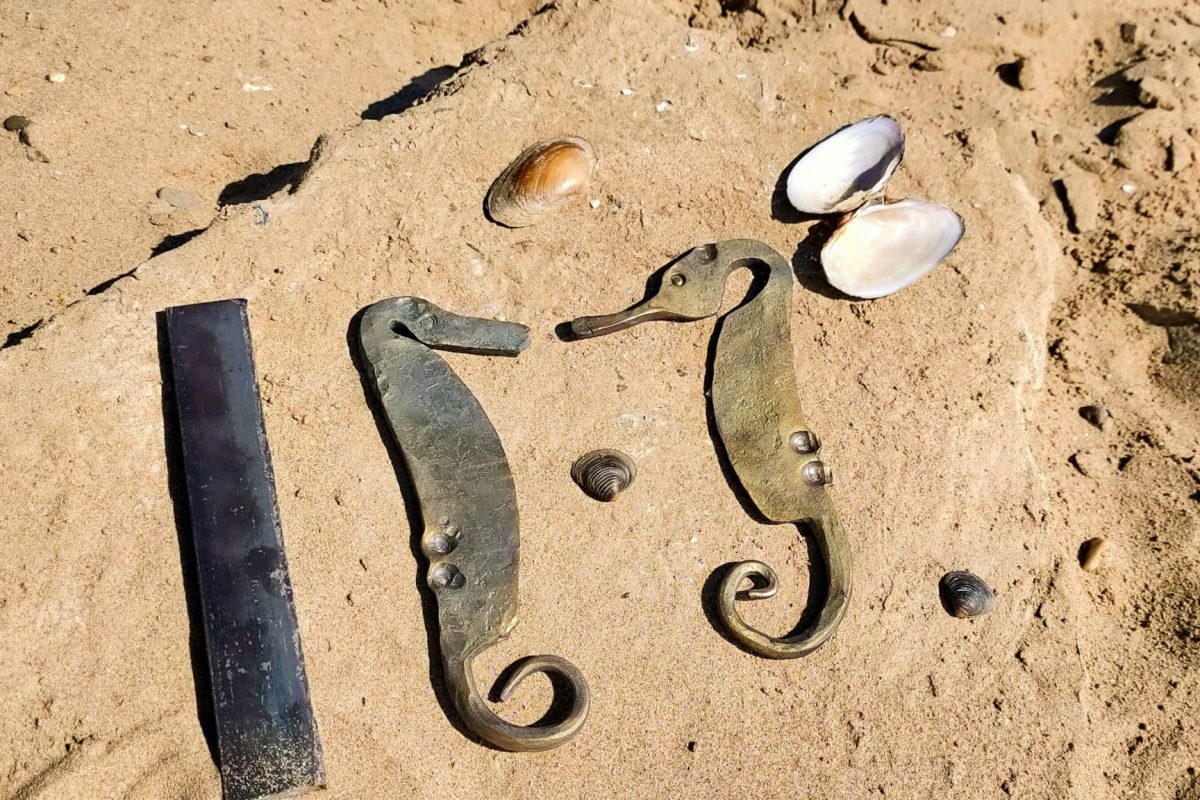
After a detailed introduction and a selection of example drawings, you will forge your own piece under the guidance of a blacksmith. You will heat a steel strip in the forge and shape it with a hammer on the anvil into your very own seahorse.
After starting his own business in the metalworking industry, Cees Pronk began researching blacksmithing education in the Netherlands in 1999/2000. He discovered that a proper vocational training programme no longer existed, which inspired him to develop one himself. The learning objectives he wrote, approved by the Dutch Ministry of Education, Culture and Science (OCW), formed the foundation for the curriculum and teaching materials of Mondra Opleidingen. In addition to the Blacksmithing Training Programme, the organisation also offers a wide range of workshops and masterclasses for children, adults, artists and primary school pupils. All activities take place at Smederij Cornelis Pronk, the place to learn traditional blacksmithing techniques.
As of 1 January 2024, Smederij Cornelis Pronk has been taken over by Lotte Pronk, Cees Pronk’s daughter, ensuring that the business remains in the family.
Children’s workshop (ages 11 and up). Parents or guardians are responsible for their children at all times. Participation is at your own risk. Please do not wear highly flammable clothing.
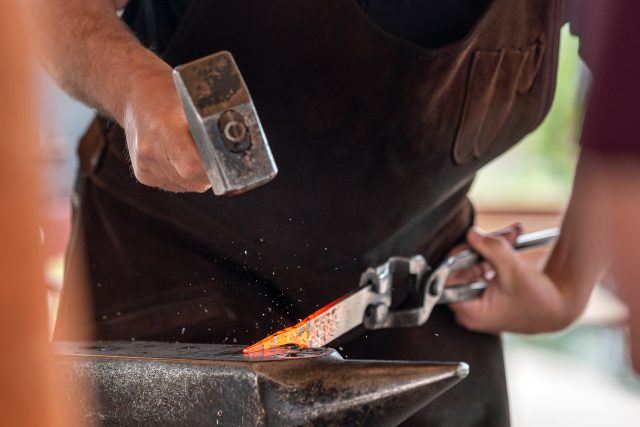
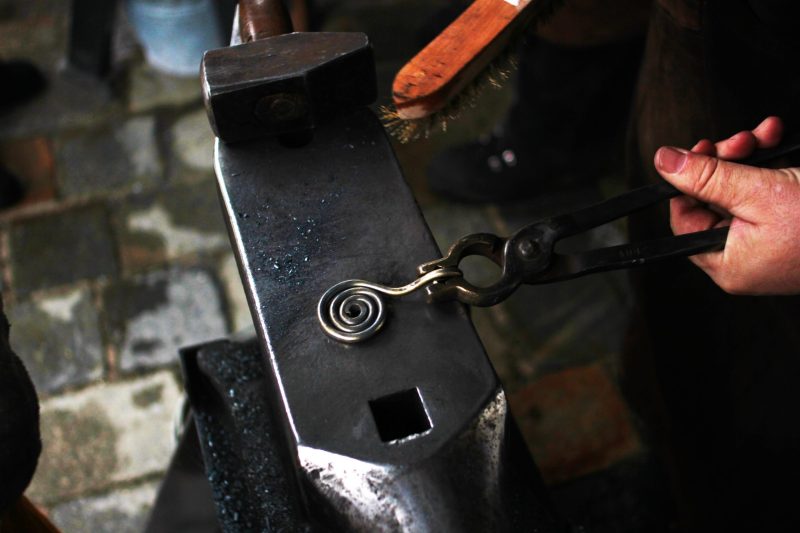
Together with a blacksmith, you will heat an iron bar in the forge. Using a hammer, you will shape the glowing iron on the anvil and forge it into a unique keyring to take home.
Every 20 minutes, two children can take part in the forging workshop. Time slots are booked by the hour, so you may need to wait a little before it’s your turn.
After starting his own business in the metalworking industry, Cees Pronk began researching blacksmithing education in the Netherlands in 1999/2000. He discovered that a proper vocational training programme no longer existed, which inspired him to develop one himself. The learning objectives he wrote, approved by the Dutch Ministry of Education, Culture and Science (OCW), formed the foundation for the curriculum and teaching materials of Mondra Opleidingen. In addition to the Blacksmithing Training Programme, the organisation also offers a wide range of workshops and masterclasses for children, adults, artists and primary school pupils. All activities take place at Smederij Cornelis Pronk, the place to learn traditional blacksmithing techniques.
As of 1 January 2024, Smederij Cornelis Pronk has been taken over by Lotte Pronk, Cees Pronk’s daughter, ensuring that the business remains in the family.
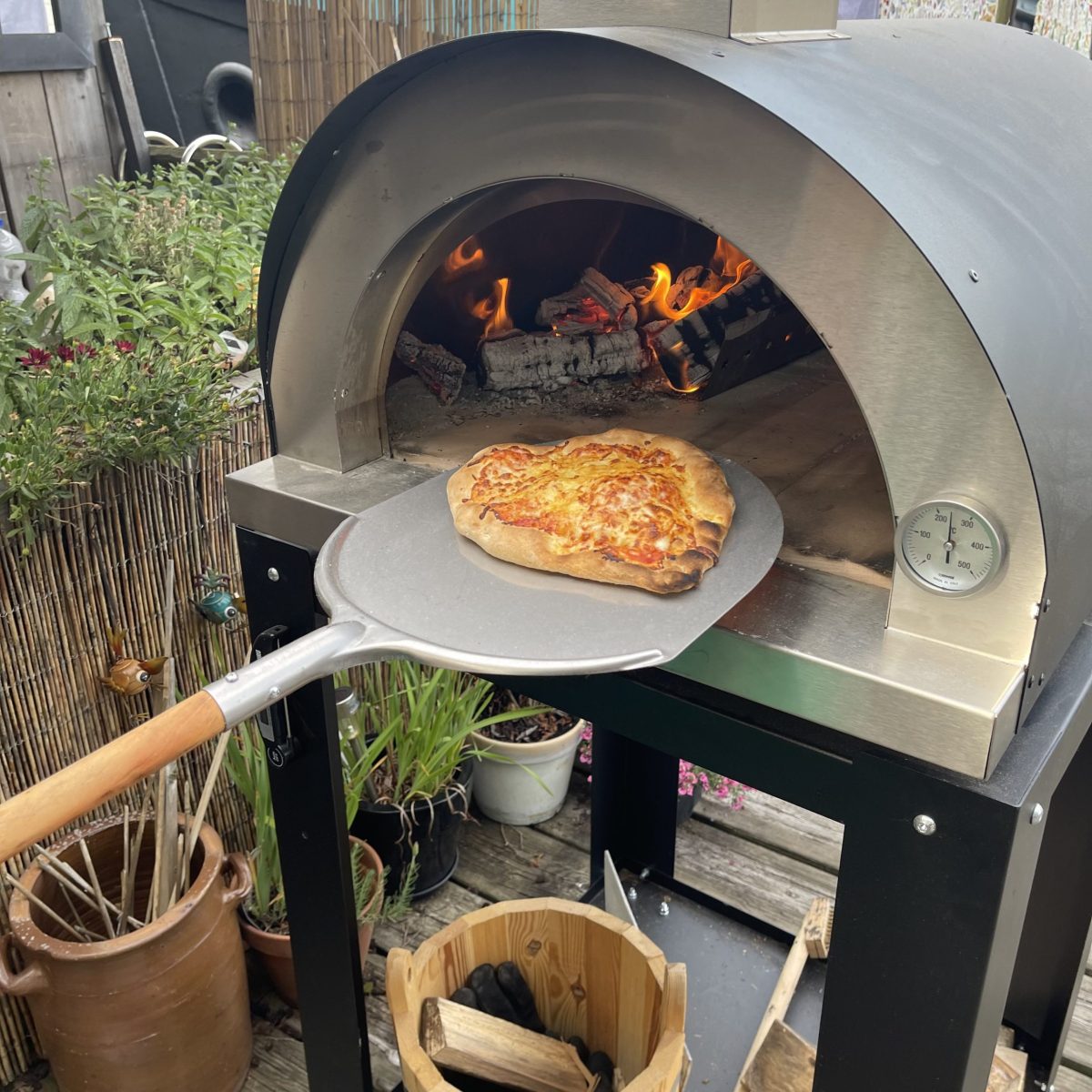
During this workshop, you will make your own pizza from start to finish. You begin by kneading the dough, with all ingredients already prepared. You will learn how to recognize the right dough structure and how fermentation works. Next, you stretch the dough by hand, in the Neapolitan way. After that, you choose your own toppings and bake the pizza. You will learn how to effectively use a pizza stone and how to control the oven.
Afterwards, you can eat your delicious pizza or take it home, and you will receive the recipe to recreate it yourself.
Pizza making is, at its core, a form of bread baking, with attention to dough, time, and technique. You work with simple ingredients, but learn how small actions can make a big difference.
Boris Theunissen works as a teacher and is, in his free time, an enthusiastic home cook with a love for bread and pizza. He regularly gives pizza baking workshops.
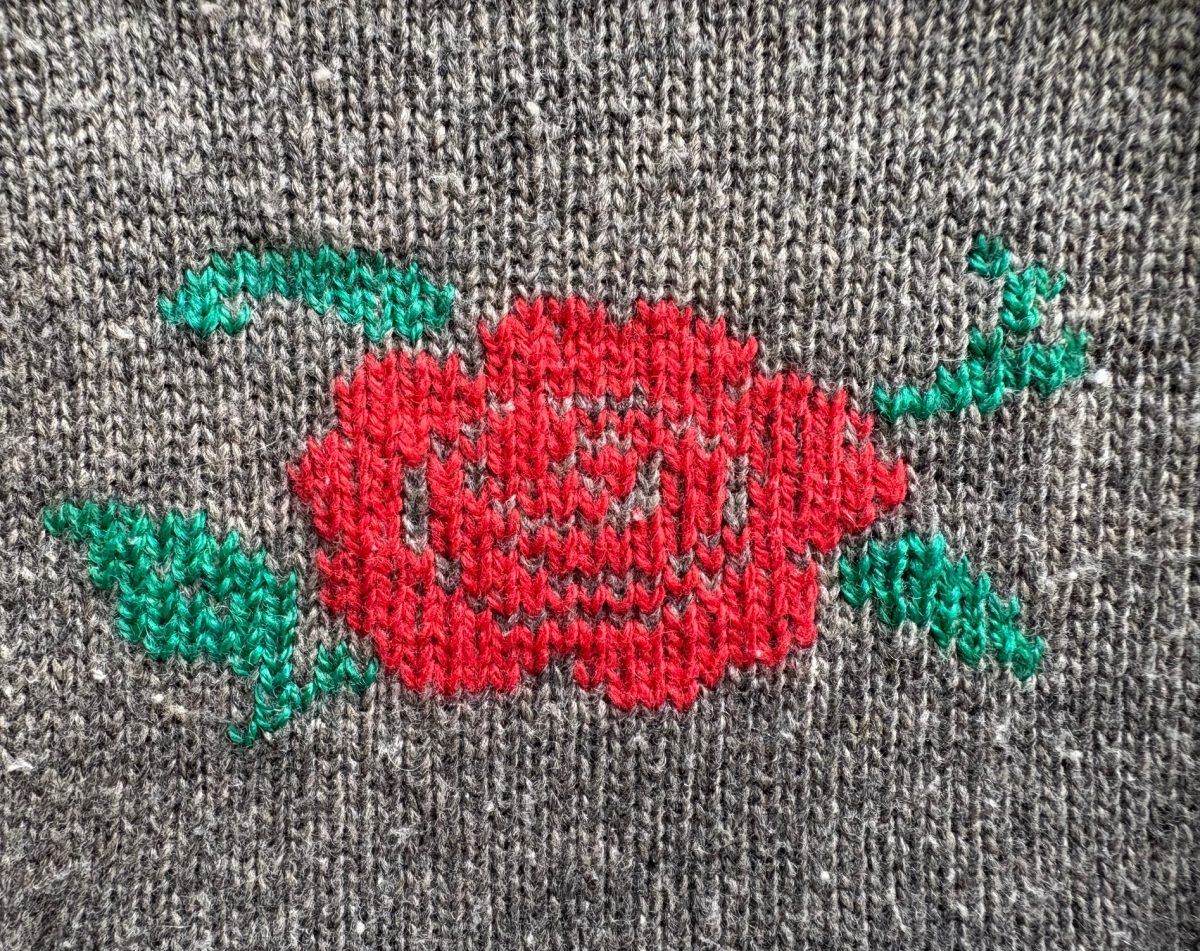
Save your favorite knitted garment! In this workshop, you will learn how to use a needle, thread and a darning mushroom to repair a hole or reinforce a thin spot. Bring your worn out sock or sweater and get started. Materials and guidance are provided. You will go home with a repaired garment and a new skill.
Embroidery is an ancient craft technique in which you use a needle and thread to add beautiful patterns, texts or images onto fabric. It is a creative and personal way to decorate textiles, from clothing to interior items. MerkWaardig is the embroidery association of the Netherlands, where more than a thousand members share their love for hand embroidery. Whether it is traditional merklappen or modern forms such as visible mending, embroidery is alive. During the festival, the association shows how techniques such as basting, darning and mending, once practical skills for repairing sheets and socks, can now give your garment a new life. Where holes once had to disappear without trace, repairs are now decorative, colorful and unique. This way, old textiles are given a second life, with a nod to the past and a look towards the future.
Willeke te Biesebeek is a passionate embroiderer and knitter. In 2025 she contributed to the collection of fashion designer Duran Lantink, which appeared on the runway of Paris Fashion Week and won the prestigious Woolmark Prize. Especially for the Ambacht in Beeld Festival, she explored the art of visible mending and shows how repairing is not only sustainable but also stylish.

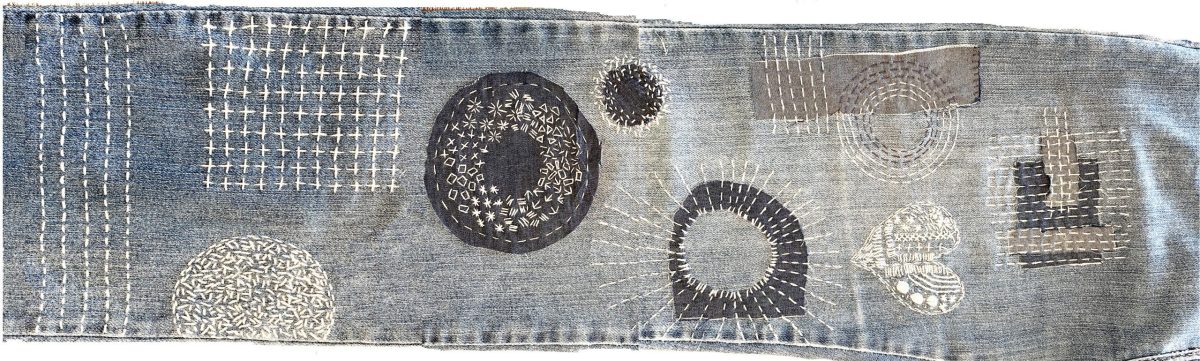
Does your pair of jeans have holes or are elbows of denim jacket worn out? In this workshop, you will learn how to repair and embellish garment using needle, thread and fabric scraps. You will use Japanese technique Sashiko. Bring your worn-out clothing item. If you want to participate but don’t have worn denim? No problem: the kit you receive during the workshop includes a piece of denim fabric. You will go home with your repaired garment and a new skill.
Embroidery is an ancient craft technique in which you use needle and thread to create beautiful patterns, texts or images on fabric. It is a creative and personal way to decorate textiles, from clothing to interior items. MerkWaardig is an embroidery association in the Netherlands, with over a thousand members sharing their love for hand embroidery. Whether it concerns traditional merklappen or modern techniques such as visible mending, embroidery is very much alive! During the festival, the association demonstrates techniques such as rijgen, mazen and stoppen. These are practical skills to give clothing a new life. Where holes used to be made invisible, repairs are now decorative, colorful and unique. This way, old textiles are given a second life, with a nod to the past and a look towards the future.
Nan van der Storm is an authority in field of embroidery. She has written several books, including the Grote Stoppenboek and her most recent book Spelen met Steken. She has years of experience teaching inspiring workshops. Her passion for old techniques in new form is contagious; after one workshop, you will want to learn even more!

Festival address:
NDSM Loods
NDSM-Plein 85
1033 WC Amsterdam
Postal address:
Stichting Ambacht in Beeld
Kalf 158
1509AH Zaandam
The Netherlands