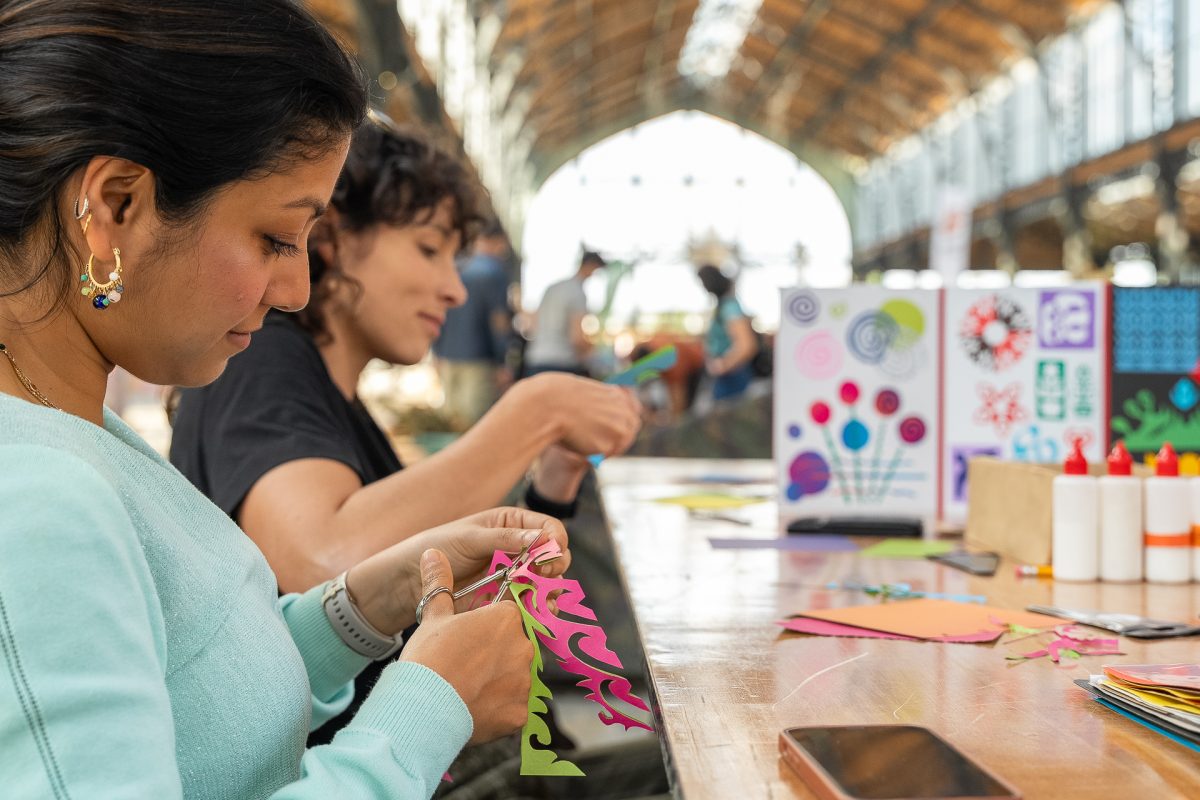
Everyone has put a pair of scissors into a sheet of paper at some point, but in this workshop you will go one step further. After a short introduction, you will learn the basic techniques from experienced paper cutters. You will then apply these in a simple assignment yourself. At the end of the workshop, you will go home with one or two paper-cut artworks. Success guaranteed.
For centuries, thousands of people worldwide have enjoyed paper cutting. It is fun and relaxing, and both young and old create beautiful artworks with it. So many cutters, so many variations. This special craft has therefore been included in the Inventory of Intangible Cultural Heritage in the Netherlands.
The workshop leaders are members of De Nederlandse Vereniging voor Papierkunst, the meeting place for hobby cutters and professional artists. They are specially trained to teach interested participants the tricks of the trade. Most of them regularly exhibit their work.


During this workshop, you will learn the basics of wheel throwing in just half an hour from highly experienced potters Floortje Roetemeijer and Tanja van Schagen. You will go home with your own creation.
Floortje Roetemeijer studied ceramics in Gouda. From 2002 to 2011 she worked at Mobach Ceramics, where she specialized in wheel throwing and designing new forms. Since 2012 she has run her own studio, Het Serviesfabriekje, where she handles every part of the making process herself: design, throwing, glazing, and firing. In her designs she is always searching for forms that are beautiful in their simplicity, without ornamentation. She then focuses on functionality, because in the best designs beauty and function come together. She also gives workshops for groups and wheel-throwing classes for children and adults in her studio in Driebergen.
Tanja van Schagen has worked since 2000 at Mobach Ceramics as a thrower and designer of stoneware ceramics. She studied ceramics and painting/printmaking at the Gerrit Rietveld Academy in Amsterdam. She also completed a ceramics program at SBB Midden Holland in Gouda. In addition to her work at Mobach, she creates her own work. In recent years, she has specialized in raku ceramics, a distinctive Japanese firing technique. She also gives wheel-throwing classes in her own studio and at Atelier Werfklei in Utrecht.
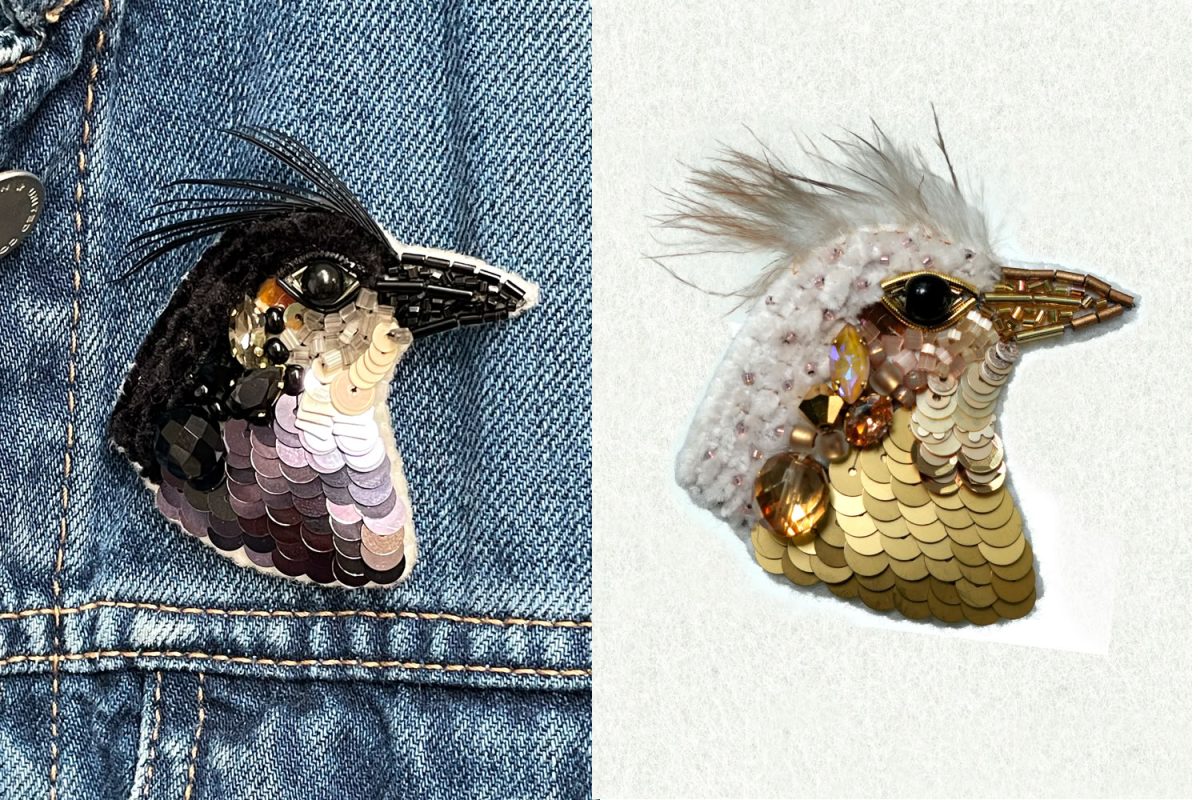
In this workshop, you will embroider a colorful bird head that you can wear as a brooch. A bird with real character. You will use many different materials such as beads, sequins, stones, and threads. You will also apply several techniques, making this a varied introduction to embroidery. Even if you have never embroidered before, you can join. However, it is helpful if you know that you are comfortable working with fine materials.
We will create the embroidery on felt, which allows for a relatively quick finish. In addition to all materials, a needle, and an embroidery hoop, you will receive instructions with text and photos to take home so you can finish it there. Afterwards, you can pin your handmade bird onto your coat or bag.
Embroidery has existed for thousands of years. It is a collective term for various techniques used to decorate fabric with needle and thread. It adds color, draws attention, creates wonder, and has a unique appearance. Embroidery is very versatile. You can work with traditional materials or with unusual ones. It can be extremely small or very large. You can follow an existing design or create something that comes straight from the heart.
Eva van den Top is the founder of Eevees. After studying Fashion Design in Rotterdam, she gradually returned over the years to the embroidery she learned from her grandmothers. She loves exploring techniques, understanding every detail, and adding her own twist to them. Material combinations in which she intentionally seeks a touch of dissonance create a strong drive to keep pushing the boundaries of her creativity. In this craft, focus and an eye for the smallest details are essential. Through her embroidery, Eva aims to bring more attention to honest craftsmanship and contribute to a future in which fair clothing is the norm.
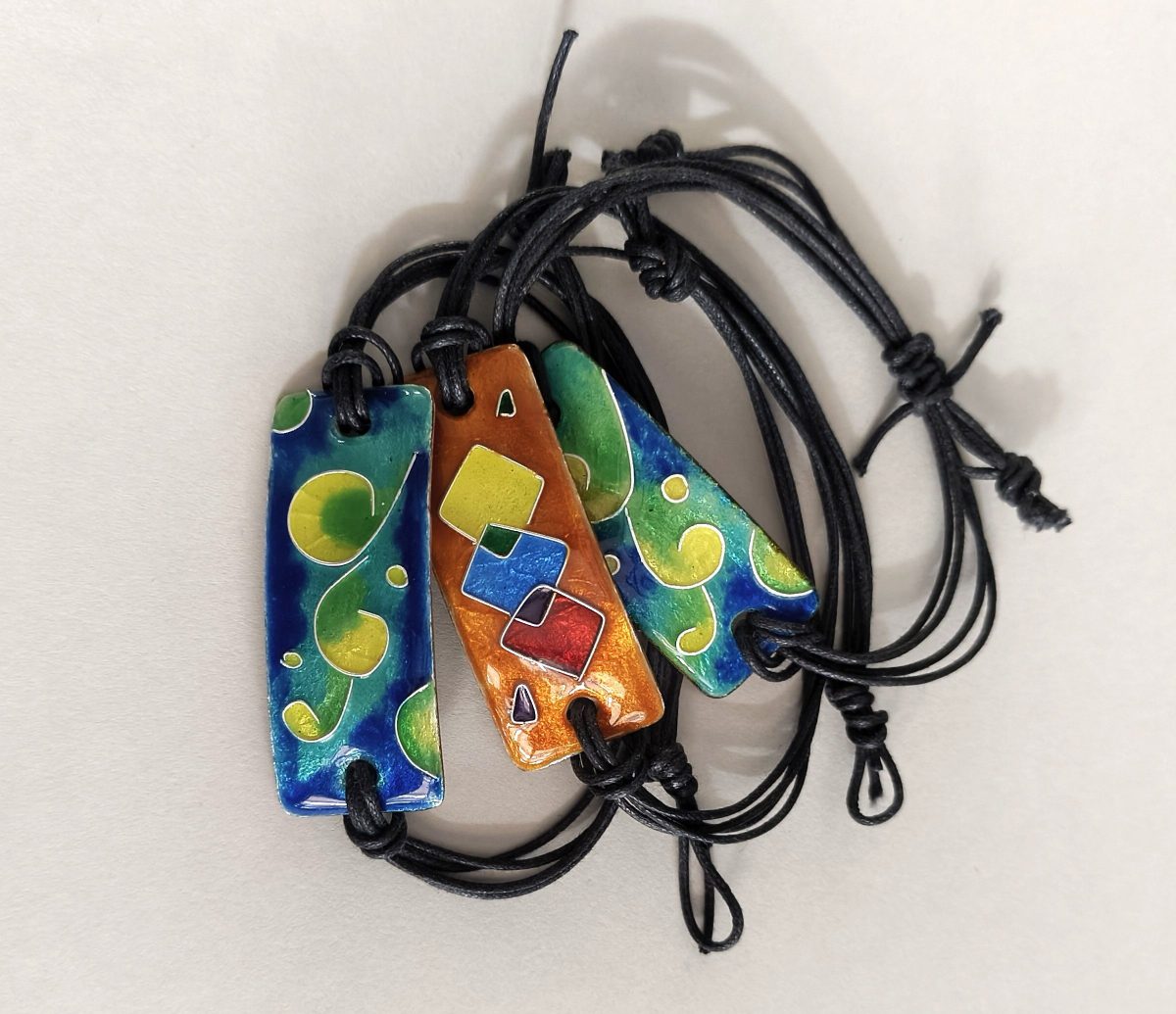
In this workshop, you will make a bracelet: a slightly curved copper plate with cloisonné enamel, attached to a wax cord with a sliding knot. You will be guided through the process step by step. First, you sprinkle a base layer of enamel powder onto the copper plate. This is fired in the kiln at 825 degrees Celsius, causing the powder to melt into glass on the plate. Next, you apply thin silver foil, with silver cloisonné wire on top that you have shaped into specific forms. After that, you apply enamel again, this time in a wet form. Once this layer has dried, it is fired in the kiln until it becomes one solid piece. Sometimes this process needs to be repeated a second time. After each step, the bracelet is fired again, comes out glowing red hot, and as it cools, the final colors slowly appear. This is truly a magical moment!
You will go home wearing a unique bracelet on your wrist.
Enameling is the process of melting glass powder onto metal at high temperatures. The final result is resistant to climate and weather conditions. This technique was already used long before our era. Depending on the color and composition of the glass powder, the firing temperature varies, but is usually between 750 and 950 degrees Celsius. Enamel can be applied to steel, copper, silver, and gold. There are various materials and techniques that can be used in the process. You can create very small pieces or very large ones: functional objects, jewelry, and autonomous artworks. There is always some unpredictability: how will it come out of the kiln? Did the colors turn out exactly as planned, has nothing shifted, are there no unintended oxides? This makes enameling an exciting process.
During the festival, the workshops are led by experienced artists and teachers. They have exhibited nationally and internationally and have mastered various techniques. They are all members of the Vereniging van Nederlandse Emailleurs (VNE), founded in 1983 with the aim of promoting enameling as both a craft and an art form. The VNE organizes several workshops each year in Amersfoort and exhibitions in galleries or museums. Twice a year there is a general members’ meeting, four times a year a newsletter is published, and members are kept informed of activities and events in other ways as well. Members can also visit each other’s studios to exchange knowledge and skills.
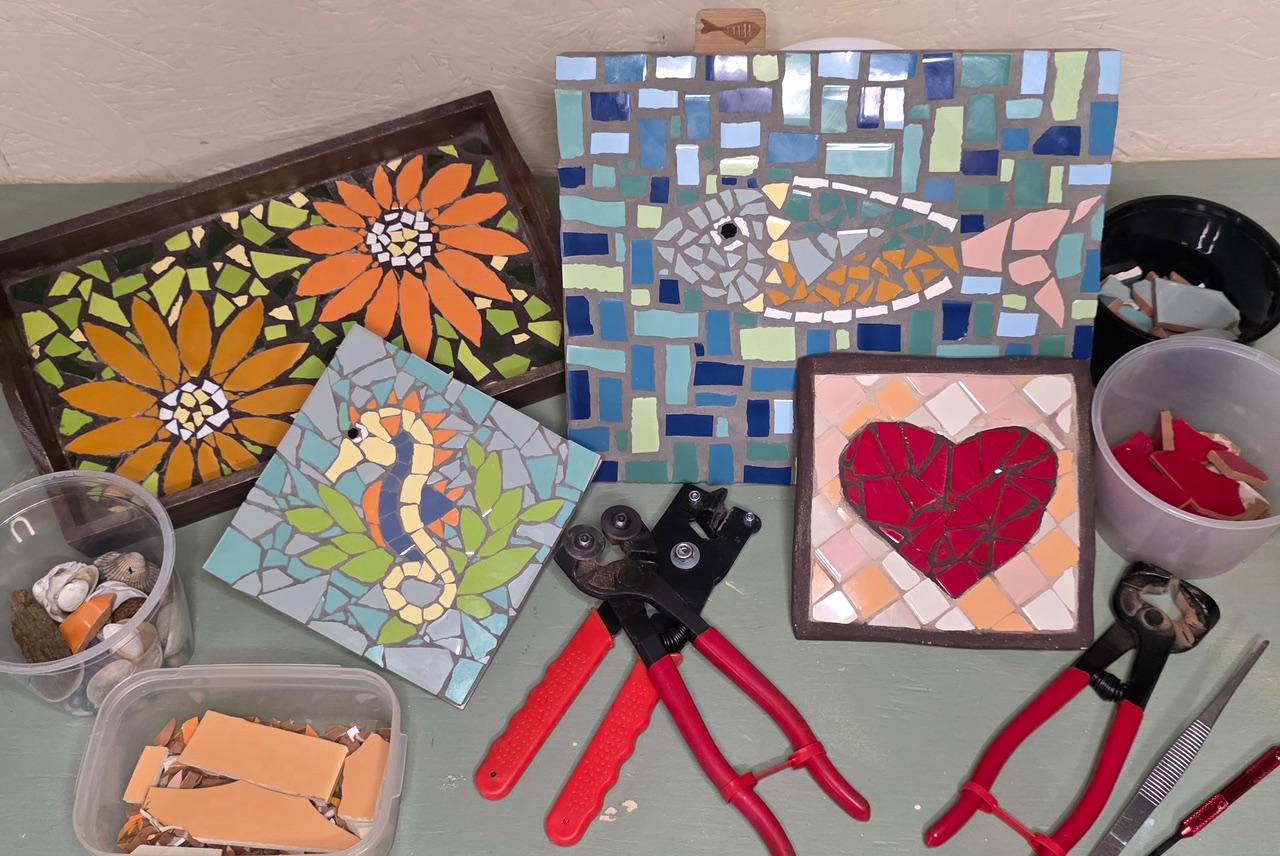
This workshop begins with a short piece of history and a brief explanation of all the materials and tools. Then you will choose an image to work with. Be inspired by the many examples available or let your own creativity run free.
Next, you will choose the materials you want to work with and, using tools such as hammers, tile nippers, and tile cutters, shape everything to size. The size of your artwork will be 15 x 15 cm. Once your design is ready, you will prepare the glue and carefully attach each piece in the right place. If there is time left, you may also do the grouting. If not, you will take the grout home together with your artwork.
Mosaic is an ancient art form in which small pieces of material such as glass, ceramic, stone, porcelain, beads, and shells are brought together by hand to create a larger whole. It is not only about technique and precision, but also about planning, insight, feeling, and attention. Each piece can find its right place in your own way. Through color, texture, and shape, a unique work is created that can be both decorative and meaningful. By using recycled materials and glue made from natural resources, creativity and respect for nature can come together beautifully.
For Renate from R-tistic, creativity has been very important since childhood. For more than 20 years, Renate has been building sets for amusement parks, zoos, hospitality venues, theater, and television. Today, her focus is increasingly on inspiring the people around her and passing on knowledge and techniques, with mosaic being one of them.
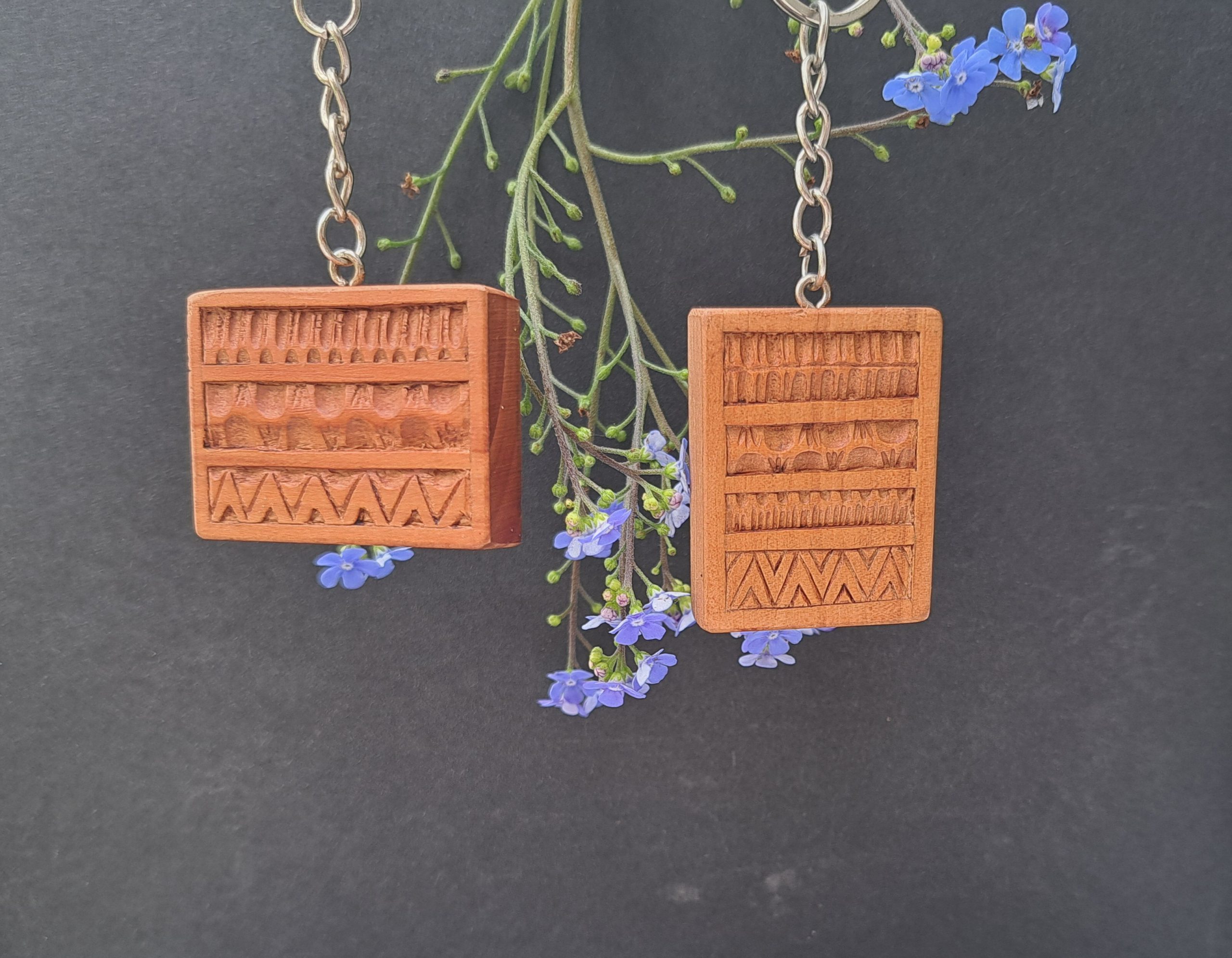
During this workshop, you will be introduced to fine relief wood carving in a relaxed and accessible way. You will work with pear wood, a soft and friendly type of wood that is ideal for taking your first steps in fine wood carving. While shaping your own keychain, you will discover how to create decorative edges and how small details bring a design to life.
At your own pace, you will work with professional tools such as chisels, knives, and gouges, while receiving clear and personal guidance as you create your own keychain. This allows you to get acquainted with these wood carving techniques in an enjoyable way. After two hours, you will go home with a beautiful keychain made by your own hand.
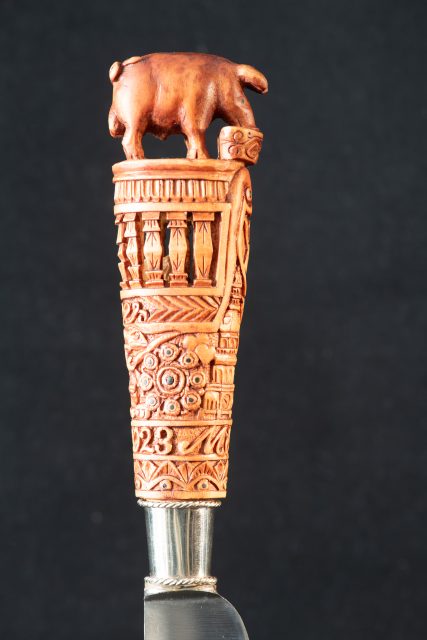
The Zeeuwse Horse Knife is a special practical tool with an artistic character, deeply rooted in the farming life of Zeeland. Farmers and farmhands carried it in a deep side pocket of their traditional men’s clothing, always ready for the moment it was needed. While working with multiple horses in the fields, something could suddenly go wrong, and quick action was essential: with one movement, the reins could be cut to protect both human and animal. But the knife was more than a safety tool. It peeled apples, cut beet leaves, removed stones from hooves, and cut rope, a faithful companion in daily life, richly decorated with ornaments that each tell their own story. With its unique design and the various craft techniques needed to make a handle for a horse knife, it is a beautifully decorated practical object and part of Zeeland’s cultural heritage.
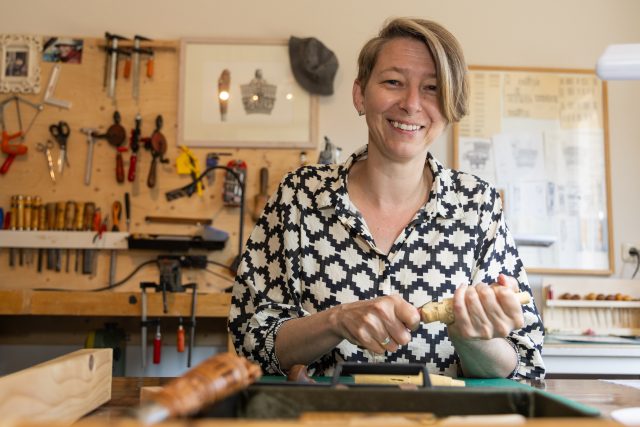
Janneke Jacobs practices the Zeeland craft of carving Horse Knives with great passion. In her studio, she works several mornings each week on this special tradition, where craftsmanship, patience, and cultural history come together. For her, making Horse Knives is more than handcraft, it is a passion she loves to keep alive and share with others.
Making a horse knife handle involves various techniques, such as relief wood carving, 3D shaping, and hollowing out the wood. This makes it a new challenge every time, and wood carving never becomes boring. Janneke teaches various courses and provides educational activities. In this way, she contributes to preserving a craft tradition that deserves to be passed on with care, enthusiasm, and a sharp eye for detail.
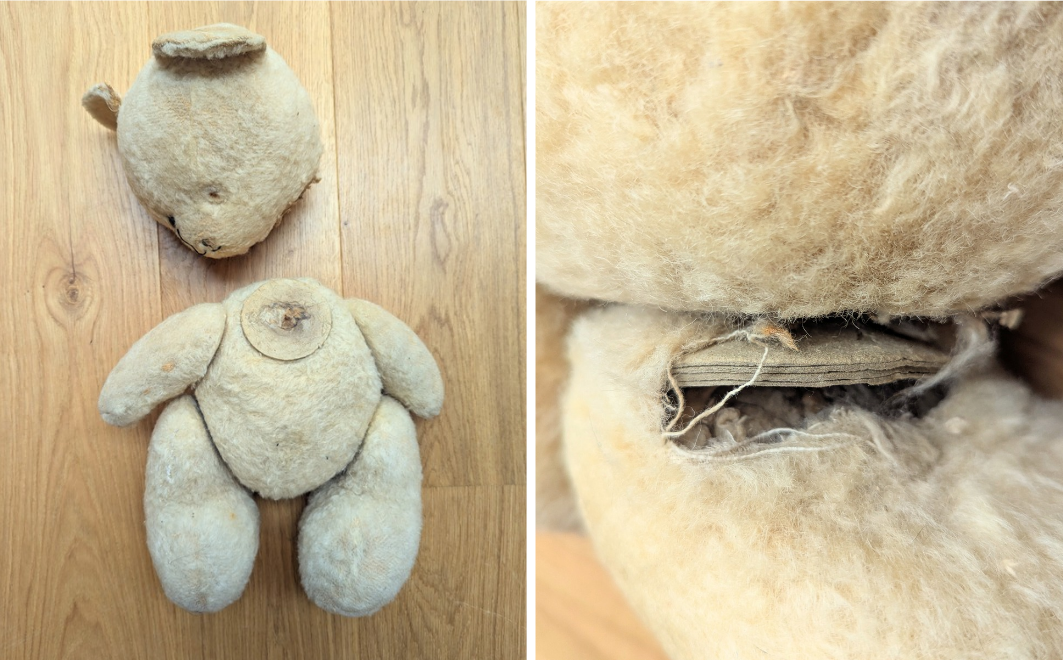
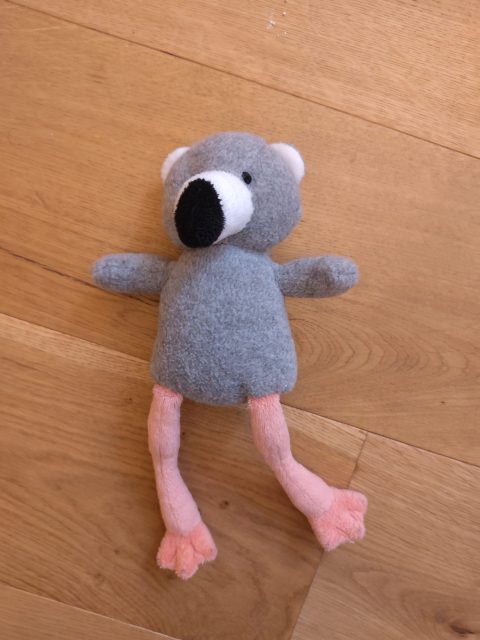
During this workshop, you will get hands-on experience with basic techniques to repair the most common issues with stuffed animals. You will first practice on a sample piece of fabric. After that, you can work on your own beloved and worn stuffed animal, or on one of the donor stuffed animals available that could use some love. There is also room to create a “Refurbeast”: a new, assembled stuffed animal made from usable parts of donor stuffed animals. This gives loose ears, paws, fur, eyes, or other materials a new life in a unique new creature.
Some skill with needle and thread is helpful, but not required. We work with different fabrics, yarns, plastic or glass eyes, and polyester stuffing.
Afterwards, you will go home with new skills that can also be useful for small clothing repairs, and of course with your own repaired stuffed animal or self-made Refurbeast. By repairing and reassembling, you discover how much value lies in what we already have. In this way, you not only give a beloved object, a loose part, or a discarded stuffed animal a second life, but you also learn to look differently at use, repair, creativity, and preservation.
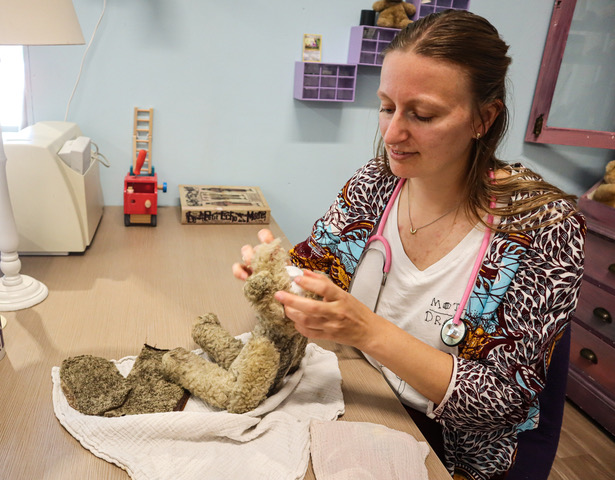
Mama Poppendokter specializes in restoring and repairing beloved stuffed animals and dolls. From a child’s favorite stuffed animal to a birth teddy bear over 100 years old, or a doll that has been in the family for generations: each piece requires attention, craftsmanship, and respect for its original character. The craft includes repairing damaged fabric, fixing seams, tears, and loose parts, renewing stuffing, cleaning delicate materials, and carrying out careful restorations. It is not only about technique, but also about preservation: of shape, appearance, signs of use, and emotional value. In this way, stuffed animals and dolls are given a second life, without losing their familiar character.
Femke Wijman is the maker behind Mama Poppendokter and specializes in repairing and restoring beloved stuffed animals and dolls. With great care, attention, and an eye for detail, she helps damaged and worn stuffed animals and dolls get back on their feet. She works on everything from deeply loved childhood companions to old birth teddy bears, family heirlooms ranging from several decades to sometimes over 100 years old. In her work, craftsmanship, material knowledge, and respect for the original character come together. Her starting point is always not only to restore, but also to preserve as much as possible the original appearance, signs of use, and emotional value. In her workshops, she shares this knowledge in a warm and accessible way and shows how much meaning can lie in careful repair.
The materials for this workshop are sponsored by De Rechte Steek.
Examples of Refurbeasts:

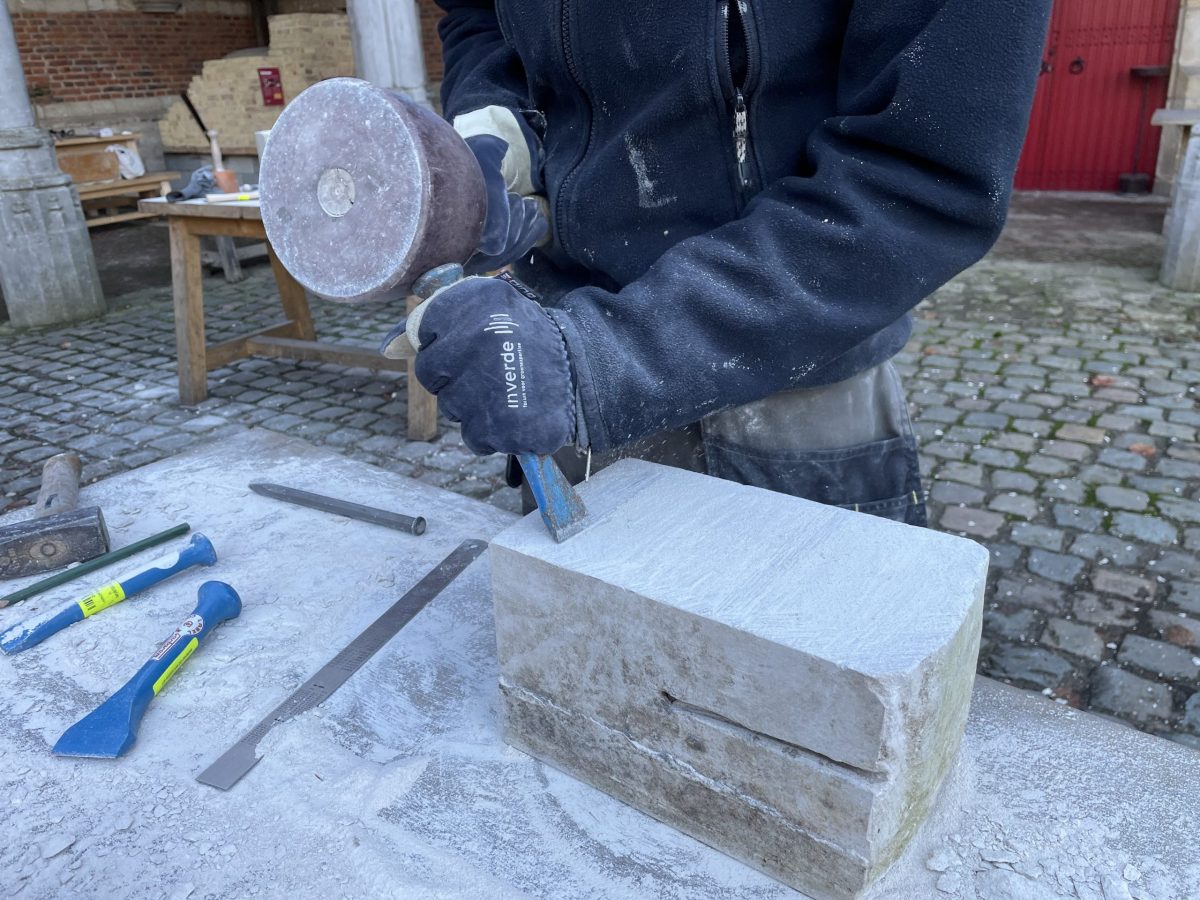
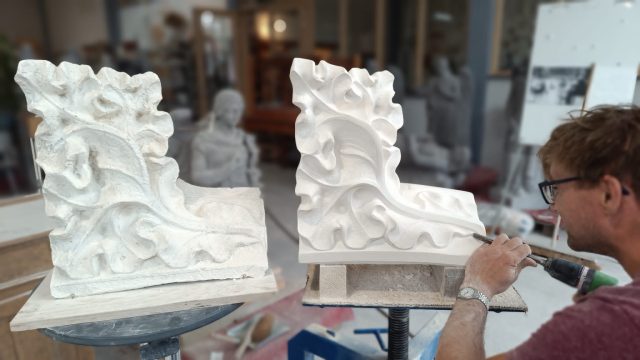
In this workshop, you will be introduced to manual stone carving. The foundation of this craft begins with learning how to properly carve a flat surface. You will learn how to mark out, measure, and work with a hammer and chisel. Alongside the practical work, you will also receive information about different types of stone, stoneworking techniques, and the contemporary evolution of the profession. No prior experience is required. You will learn a skill, but you will not take home a finished piece.
Stone carving is a technique used to create flat surfaces, spheres, mouldings, and geometric shapes. Once technical execution is no longer the focus and the work becomes purely about form, volume, light, and shadow, we enter the realm of sculpture.
Sébastien Vermeulen is an independent sculptor, stone carver, portrait artist, bronze caster, and artist. He creates sculptures in marble, bronze, and terracotta. He teaches Sculptural Design at Vrije Academie Gent and carries out restoration work on architectural heritage and artistic patrimony. In 2024, he was awarded a grant from Fonds SofinaBoël for Training and Talent. As a result, in 2025 he spent six weeks studying the human figure at Studio Della Statua in Florence and learned the mise-au-point technique at L’ Atelier De Sculpture (Soignies). His sculpture Gabrielle (2025, marble) was selected for the FACE 2026 exhibition, organised by the Society of Portrait Sculptors in London.
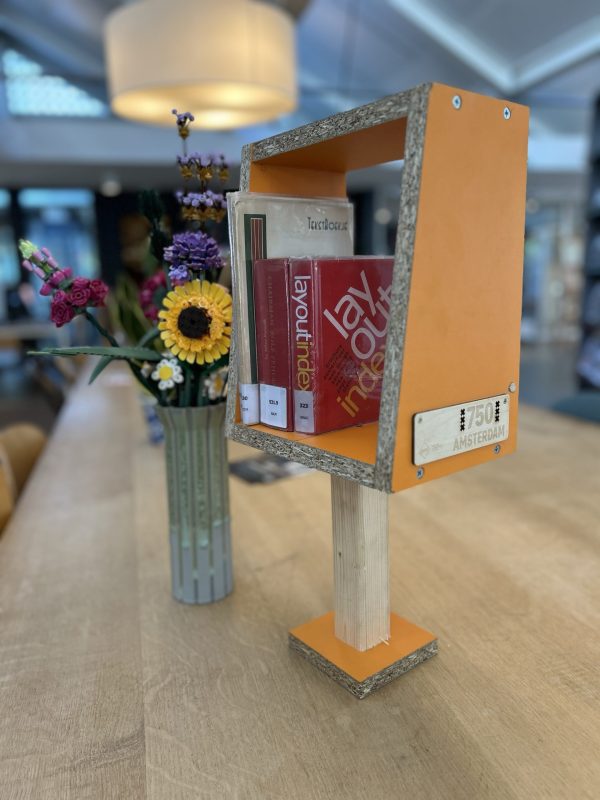
During this workshop, you’ll create your own mini-library. It’s best described as a small bookcase for about 8 books, complete with a stand and base. It’s made primarily from residual materials from businesses in Amsterdam-Noord, resulting in a variety of colors and materials, allowing each bookcase to be unique. During the workshop, you’ll drill, saw, screw, glue, and possibly engrave. At the end, you’ll go home with a handmade bookcase ready to display in a beautiful spot.
The Hout- en Meubileringscollege has been an independent vocational college (MBO) since 1929. We are a relatively small school, which creates a personal touch and a safe atmosphere. We train for professions in interior design, furniture, technology, and design. We offer programs for furniture makers, interior designers, creative craftspeople, home furnishings salespeople, carpenters, upholsterers, and piano technicians, among others. We also offer courses and programs for adults.
As an enterprising furniture maker/interior builder, you’ll work for companies in the furniture industry or (ship) interior construction. You’ll be responsible for purchasing materials and managing the entire process of designing, constructing, preparing, and making furniture and paneling. You’ll coordinate the work, oversee scheduling, and supervise the operational staff. You’ll also be responsible for the maintenance and management of production resources.

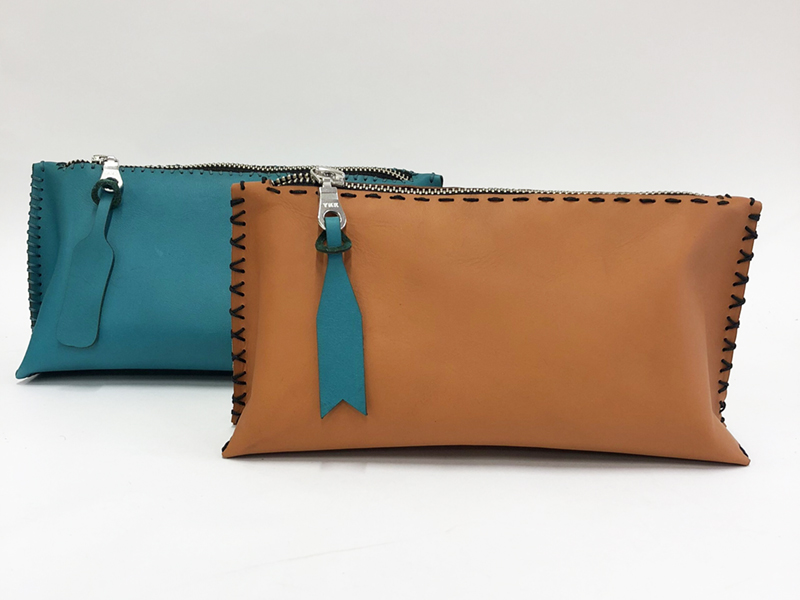
Step into the world of a student at the Hout- en Meubileringscollege (HMC). In the Creative Craftsman program, students learn to combine the latest techniques with traditional craftsmanship.
The leather pattern pieces for the make-up bag are cut out using a laser machine. You choose the leather and thread color you want to use. During the workshop, you will be introduced to hand stitching and learn various decorative stitches. After the workshop, you will leave with a hand-stitched makeup bag.
Since 1929, HMC has been an independent vocational school. As a relatively small school, we offer a personal and safe environment. We train students for careers in interior design, furniture, technology, and design. We offer programs for various professions including furniture maker, interior advisor, creative craftsman, home sales advisor, carpenter, upholsterer, and piano technician. We also provide courses and training for adults.
Festival address:
NDSM Loods
NDSM-Plein 85
1033 WC Amsterdam
Postal address:
Stichting Ambacht in Beeld
Kalf 158
1509AH Zaandam
The Netherlands