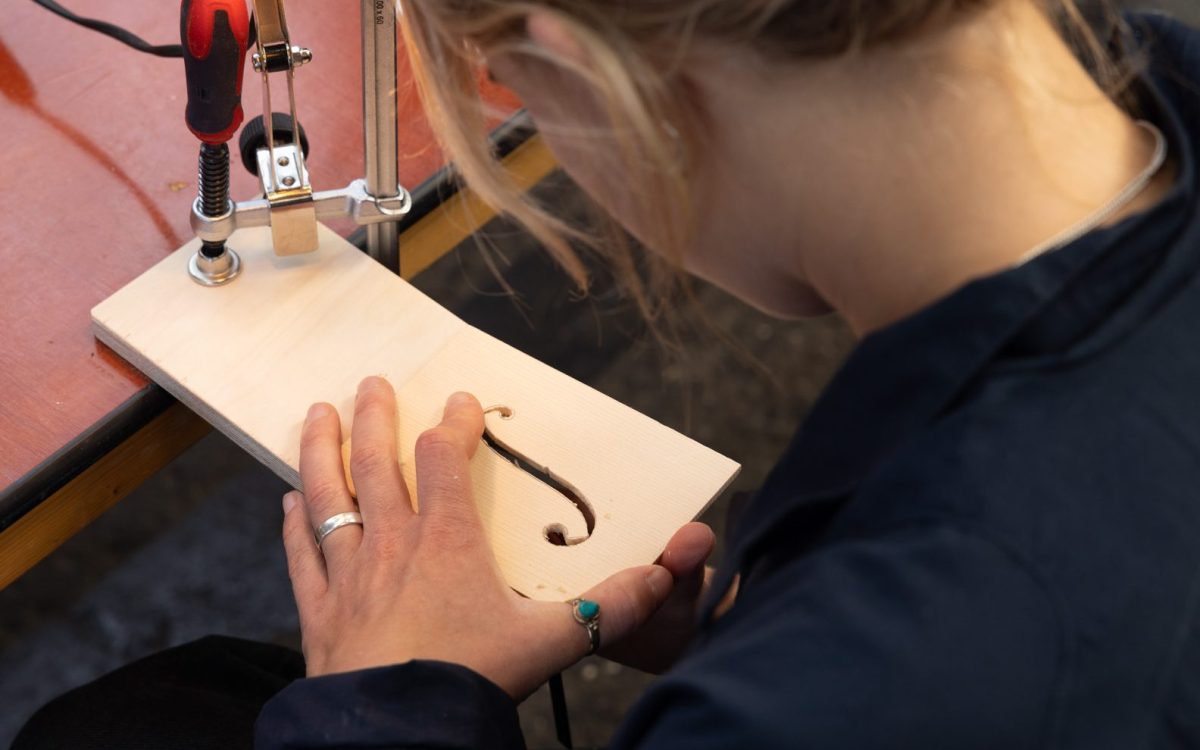
Do you know the versatility of the f-holes on the top plate? What stands out is their elegance, but they also have a function. They act like a kind of speaker, bringing the vibrations from the sound box to the outside and amplifying the sound. The handwriting of the violin maker can also be seen in an f-hole, making their style recognizable. In this workshop, you will create one yourself. You will learn to mark out the f-hole, saw it out, and carve it into shape. The tools and materials are ready for you, and you may take your finished piece home afterwards.
Want to build a musical instrument yourself? At Bouwerskontakt, you can learn how. Of course, building a complete instrument by hand takes time. During the workshops at the Ambacht in Beeld Festival, you can learn to make a part and get acquainted with some of the skills and techniques.
Bouwerskontakt is part of Huismuziek, an association for music and instrument building, with the aim of exchanging, making available, expanding, and spreading knowledge and experience about instrument making. Members range from hobbyists to professional builders and make both historical and modern instruments, such as guitars, violins, harpsichords, organs, barrel organs, and recorders. Most activities take place at Houtclub-Ede.

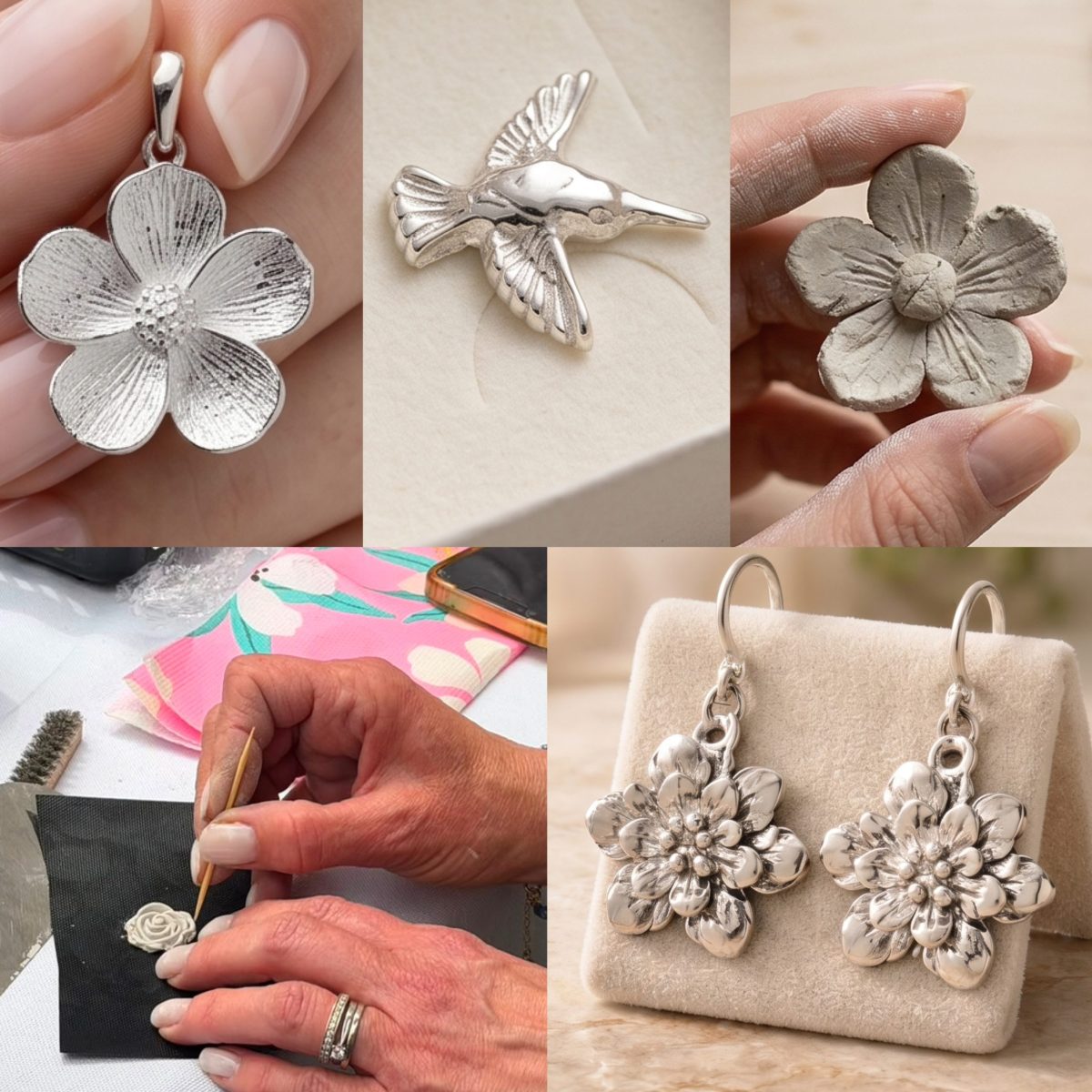
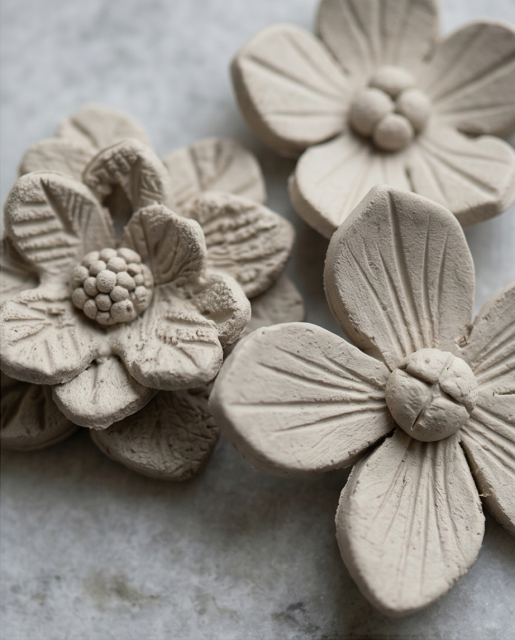
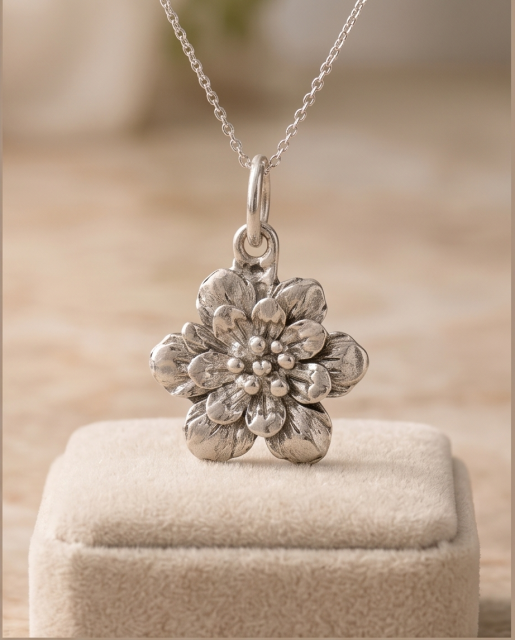
During this workshop, you will discover the magic of silver clay. In two hours, you will create your own silver pendant, charm, earrings, or bead. The theme of the workshop is nature; think of flowers, leaves, seashells, and other organic structures.
With the help of examples and step-by-step guidance, you will learn how to shape silver clay, add textures, dry it, and finish it. You will use simple tools such as texture materials, molds, and cutters. You will work with 3.5 grams of silver clay and can even incorporate a zirconia stone into your piece. After drying, the piece is briefly fired in a special kiln, after which you brush and polish it into a real silver jewel.
You will go home with a unique handmade silver piece of jewelry and a special introduction to silver clay.
Silver clay is a remarkable material originating from Japan. It consists of recycled microscopic silver particles mixed with water and an organic binder, creating a soft clay that can be kneaded and shaped by hand. After firing, it transforms into a piece of 99.9% pure silver. What makes silver clay so special is the combination of creativity and technique. From organic shapes and textures to refined details and personal jewelry – the possibilities are endless. Silver clay brings tradition and innovation together, making it accessible to create unique jewelry. From clay to a lasting, genuine silver piece made by hand.
Wendy from Charmed Jewels works with great passion and care with silver clay. She has been giving workshops for almost 20 years to share her knowledge. In her workshops, calmness, creativity, and personal attention are central. She inspires participants to discover the many possibilities of silver clay and to create something truly unique that suits them. The most beautiful part of her work is the moment when participants proudly wear their self-designed and handmade silver jewelry.
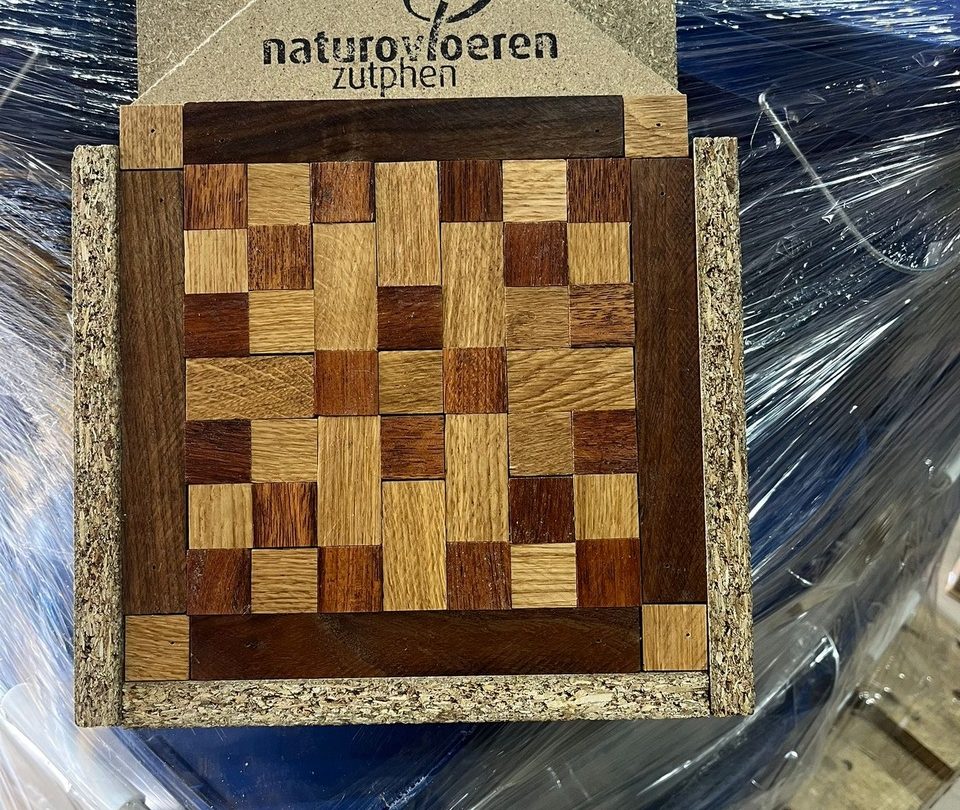
Experience what you can create with wood on a floor and feel like a real parquet installer for a moment! In this ongoing, free workshop, you will create your own mini parquet floor using different types of wood. You will glue pre-cut wood pixels (1 x 1 cm) onto a base plate, using your own creativity.
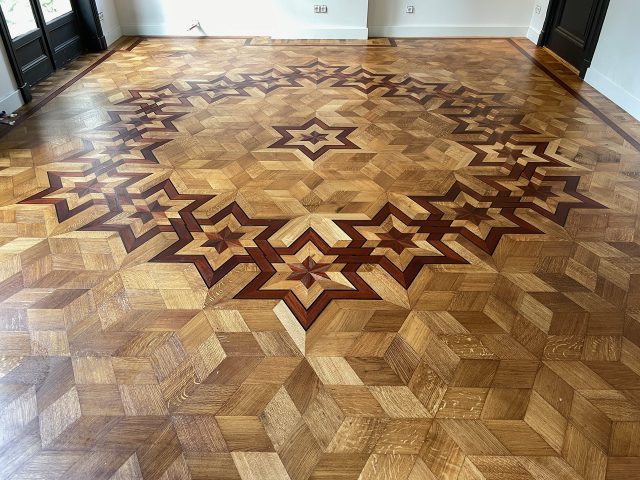
Het Gilde van Parketteurs is dedicated to preserving the craft of parquet installation. Members are invited several times a year to participate in various workshops. In addition, the guild is active at events to promote the craft. They also organize courses and study trips specifically curated to maintain a high level of professional expertise among parquet specialists.
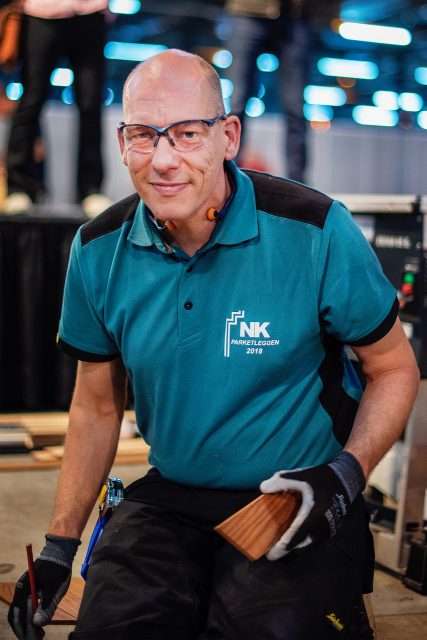
Eric Jongmans is the chairman of the Gilde van Parketteurs and has been a Master Parquet Installer since 2012. He brings more than 40 years of experience “on the floor” and runs his own company specializing in traditional parquet floors. During the workshops, he is supported by several guild members who represent the parquet craft in a masterful way. Eric knows better than anyone how to share his passion for the craft and enjoys inspiring others with this unique and versatile profession.
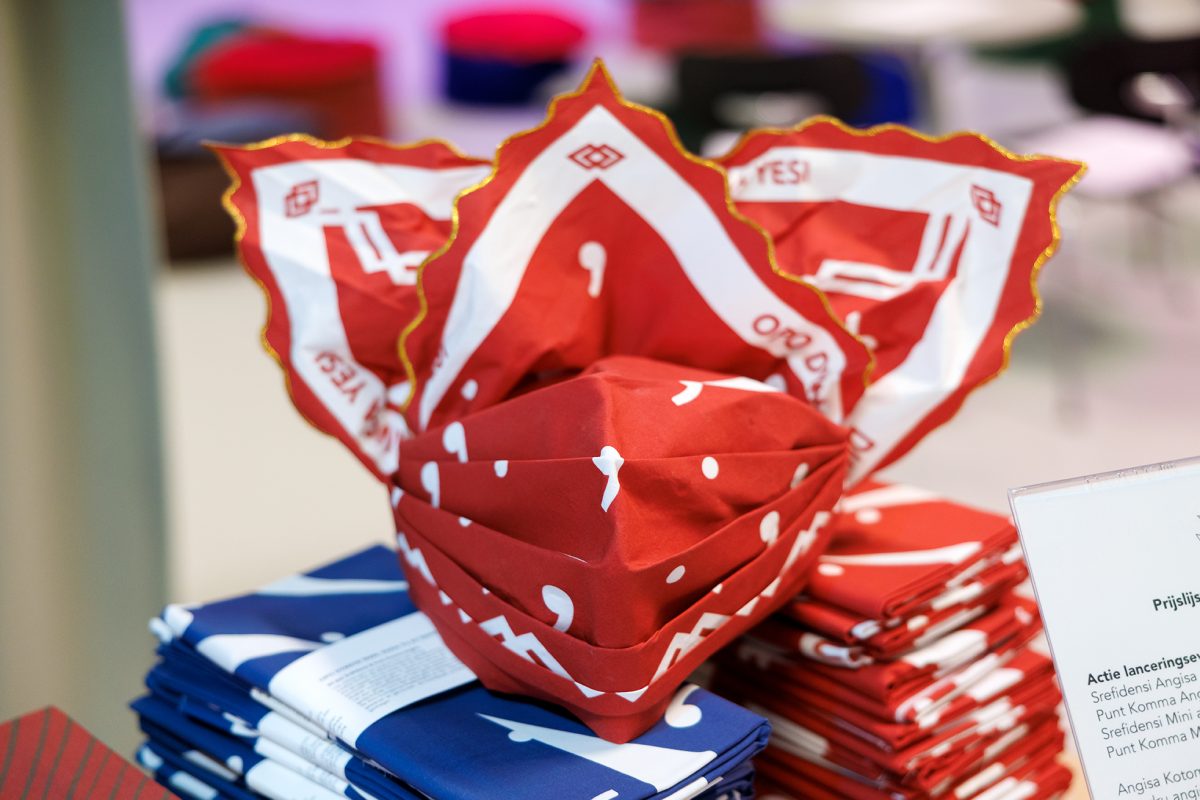
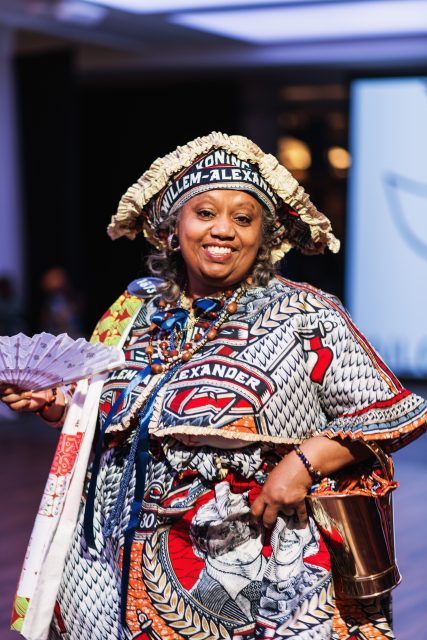
During this inspiring workshop, you will make your own Angisa: a traditional, starched headwrap with a rich Surinamese history. You will work with authentic cotton cloths from Suriname, carefully stitched, treated with cassava starch, and ironed.
Step by step – through about ten folds – you will see your unique design take shape. You will not only learn the folding technique, but also discover how shapes and lines can express a personal message. In this way, your creation becomes something meaningful that reflects who you are. Let yourself be surprised by the process, give form to your story, and experience the power of tradition and creativity in one.
At the end of the workshop, you will take home a beautiful, handmade Angisa: a striking headpiece that speaks without words.
The Angisa: a language of pride, strength, and expression
The Angisa is the showpiece of the kotomisi – the woman in traditional Surinamese dress. The way the cloth is worn immediately tells a story. Does a woman feel joyful and exuberant? Then she expresses it in a graceful Proisi ede or Pauwtere. Is she strong and determined? Then she chooses a Veda. Every fold, every style has a name and a meaning. This special knowledge has been passed down orally for generations, from mother to child. With attention, patience, and interest, one is gradually initiated into the art of folding and tying. From making the starch to carefully drying and ironing the cloth: every detail matters. Only then does the real work begin – the folding. That is where the Angisa comes to life, with its unique and expressive appearance. A striking example is the “Let them talk”: a Veda style recognizable throughout the Caribbean – powerful, elegant, and full of meaning.
Patricia Tel was born and raised in the Netherlands and has her roots in Suriname. After taking a basic course in Angisa folding, her enthusiasm was immediately sparked and her curiosity for this unique folding art grew. Since then, she has continued to deepen her knowledge of the techniques and meaning of the Angisa. She is now a certified Angisa binder. With great passion, Patricia is committed to keeping this tradition alive. Through demonstrations, lectures, and workshops, she shares her knowledge and inspires others. For her, the Angisa is more than a cloth: it is a powerful form of expression and cultural heritage.
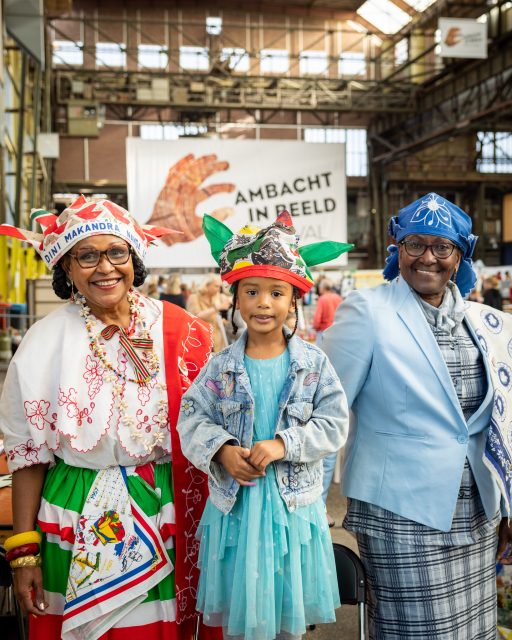
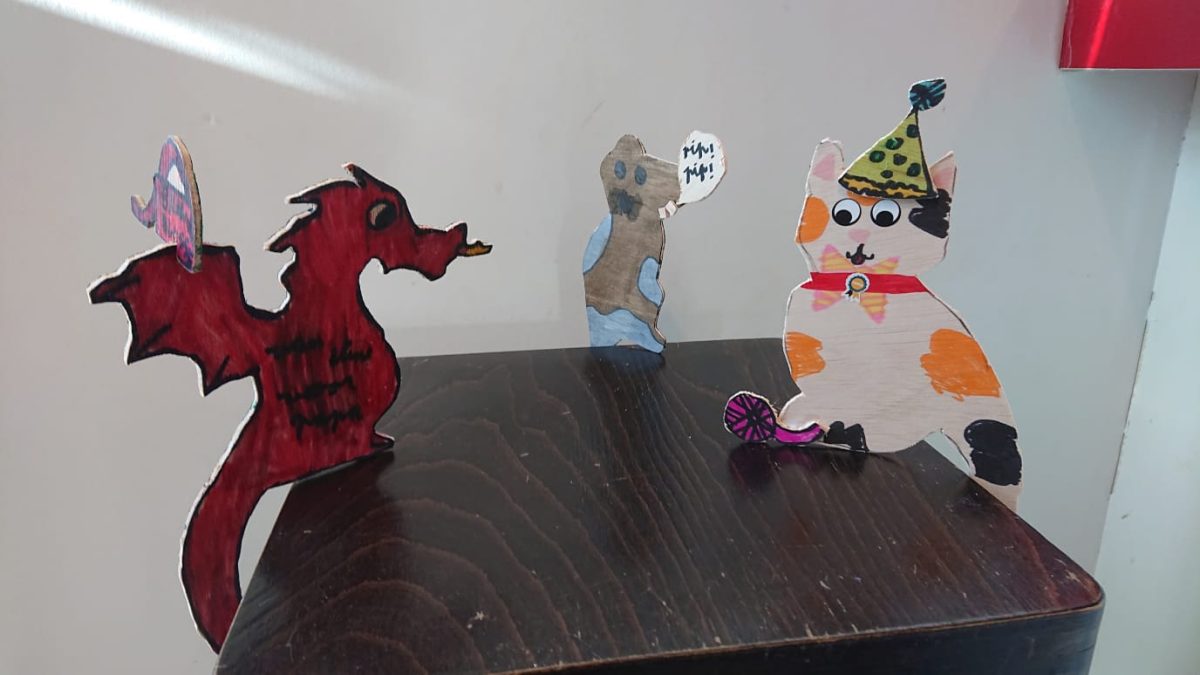
For children aged 7 and up. Adults who want to learn coping saw techniques to pass this knowledge on to children are also welcome.
Discover how fun coping saw work is and create your own wooden waving animal. During this workshop, you will learn the basics of coping sawing, sanding, and assembling. Step by step, a moving animal takes shape that happily waves when you set it in motion. A hands-on piece where technique, creativity, and wonder come together.
You will take home a surprising creature.
Technika10 Leiden has existed for over 25 years and aims to promote technical skills and knowledge of technology among children. They organize workshops that inspire wonder and are educational. Real tools and materials are used, such as wood, metal, and motors powered by batteries or solar cells.

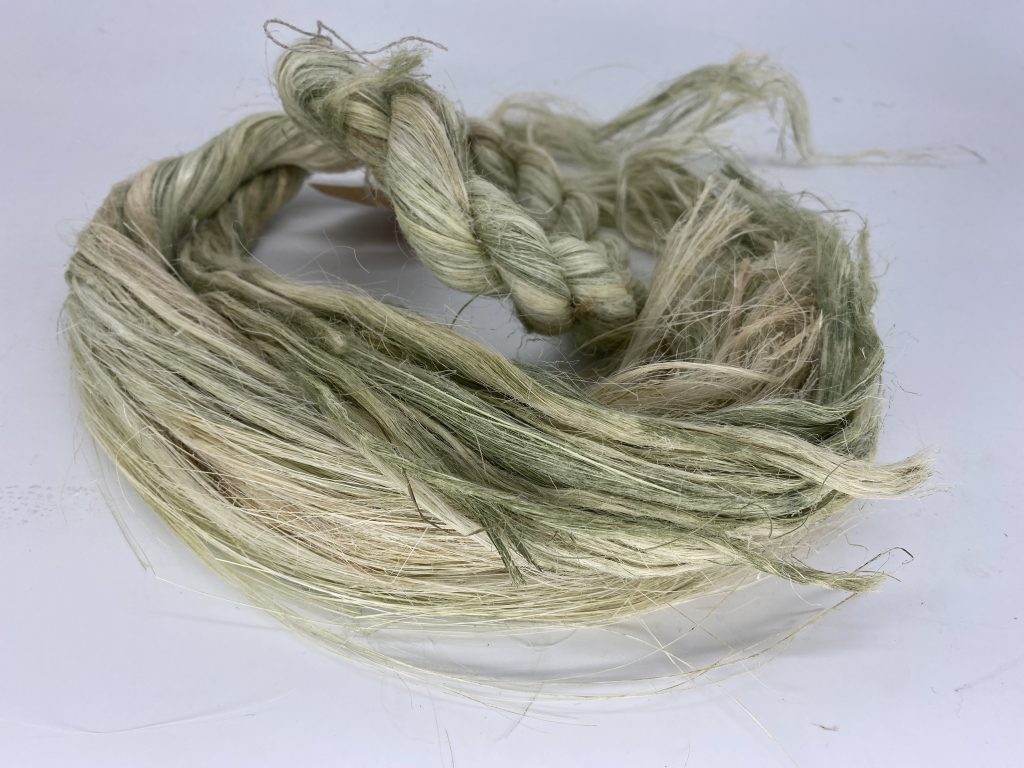
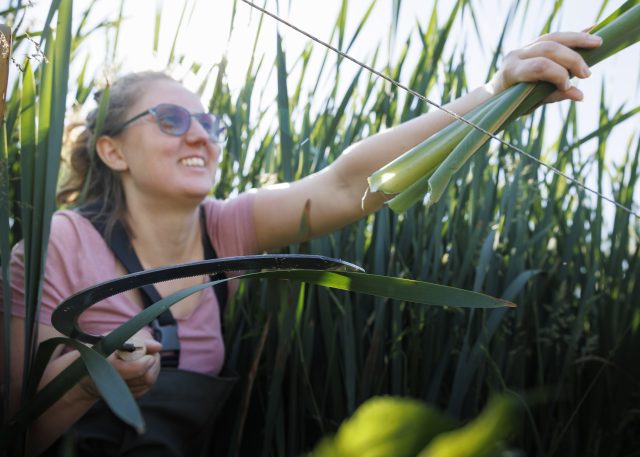
During this workshop, you will learn about the steps involved in making your own textile from the cattail plant. You will be introduced to the cattail, a plant you probably recognize by its distinctive brown flower spikes growing along the edges of ditches and ponds. You will learn about the characteristics of the plant, how it can be used, and why it differs from other textile plants that have been used for centuries.
Next, you will extract the fibers from the plant’s leaves and spin them into yarn. At the end of the workshop, you will take home a small piece of cattail yarn that you have made yourself.
For centuries, textiles have been made from plants. It is a fascinating process in which we often know the final product but no longer understand how it is made or what the plant itself looks like. Textile making is one of humanity’s oldest crafts, older than pottery or metalworking. Through industrialization, globalization, and fast fashion with synthetic fabrics, the craft of making textiles from plants in our own environment has moved into unseen factories. It is time to bring that knowledge back.
Iris Veentjer is the owner of Studio i Focus, a design studio specializing in innovative material research and experimental design. She works on freelance projects for a variety of companies and organizations while also developing self-initiated projects such as Bakkie Trots and RietGoed. Through these projects, Iris hopes not only to create beautiful products but also to contribute to the social conversation around sustainability, climate change, social awareness, and regenerative practices.
With the RietGoed project, she researches and develops the possibility of making textiles from the cattail plant. This innovative process contributes to natural soil restoration, helps prevent land subsidence, and reduces greenhouse gas emissions from peat meadow areas. In this way, textile production can contribute to making Dutch soils more resilient for the future.
This workshop is organized in collaboration with Voedselmoeras, where Iris harvests her own cattail plants.

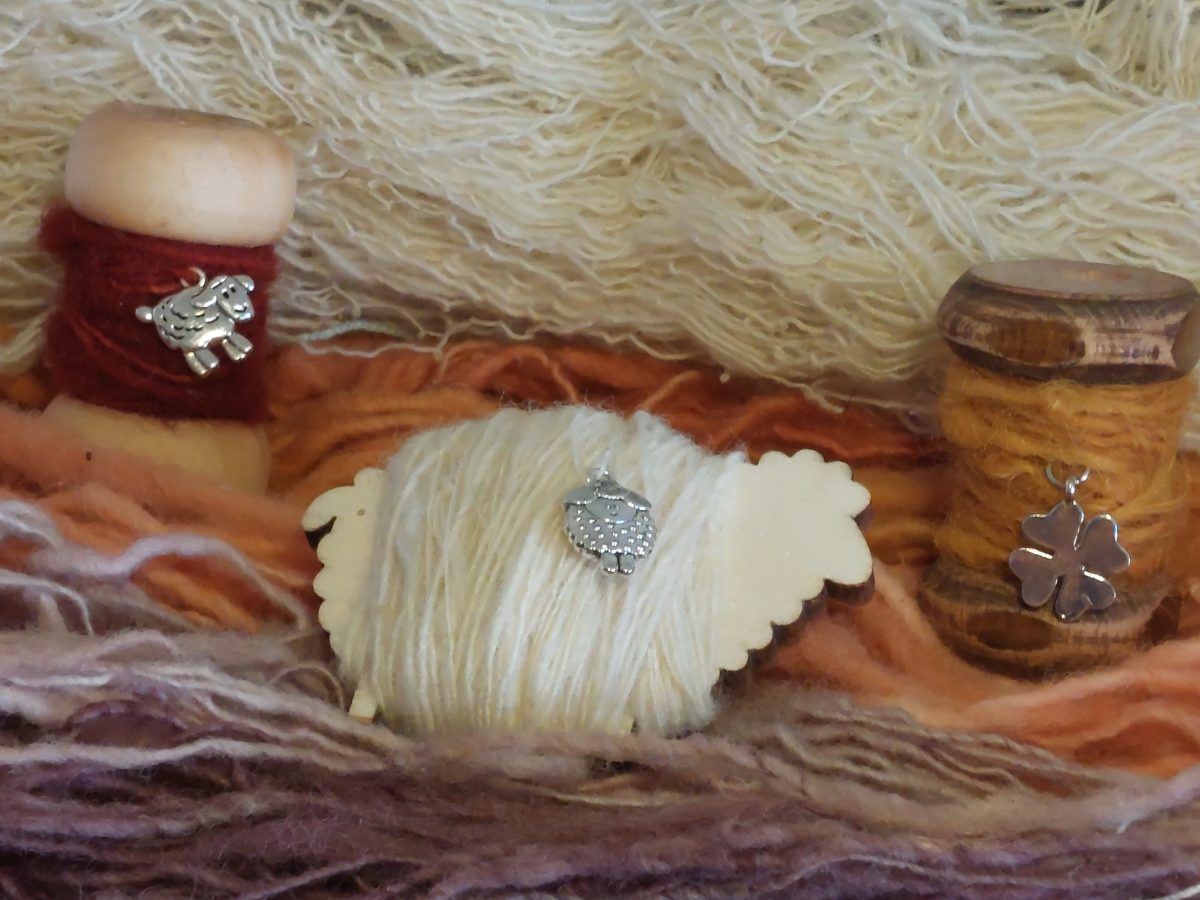
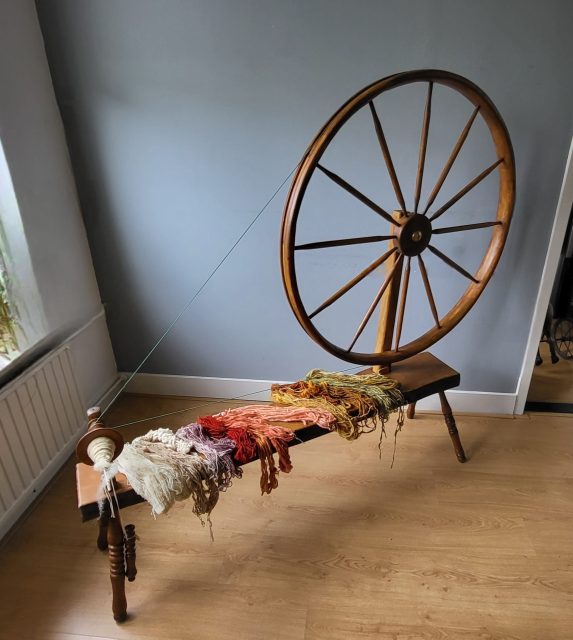
During this workshop, you will get to know the craft of wool spinning. You begin by carding the wool, preparing the fibers into a light, airy sliver. Next, you will learn to spin on a great wheel and get acquainted with the e-spinner. Step by step, you will discover how to turn loose wool into a strong, even thread. You will work with authentic materials and tools, such as wool carders, spinning wheels, and carefully selected types of wool. There is plenty of space to practice.
At the end of the workshop, you will take home a bobbin or little “sheep” filled with your own spun wool, along with the basic skills to continue experimenting with this beautiful craft.
Wool spinning is a calming and creative craft that has been passed down for centuries. From soft, raw wool to a beautifully spun thread: with patience and attention, you create something unique with your own hands. The rhythm of spinning brings relaxation and helps you escape the rush of everyday life.
What makes it special is that each sheep breed has a different coat length and thickness, and therefore different qualities. After spinning, you can use the yarn for weaving, knitting, crochet, or other techniques, creating a product from start to finish.
At ’t Lavenhofje, learning the craft of wool processing is central, with a unique combination of historical knowledge and modern techniques. Everything related to wool work is developed and made here in-house, from a historical great wheel to modern e-spinners.
Iris Laven and the instructors are skilled craftspeople who master the entire process: from shearing the sheep to naturally dyeing the wool with plant-based colorants. They spin their own yarns and transform them into unique creations, such as sweaters, scarves, and wall hangings. They are happy to share this passion and knowledge, where sustainability, craftsmanship, and creativity go hand in hand.
Since 2016, they have been organizing the Wolspektakel, a wool holiday in South Limburg, wool routes with guided visits to the wool carding workshop, as well as wool tours abroad.
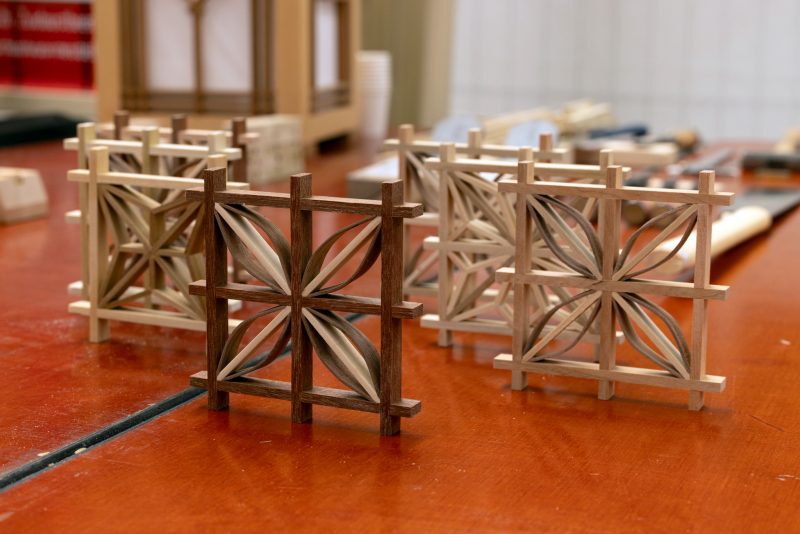
Japanese Kumiko is a refined woodworking craft used in the creation of shoji (room screens). This traditional technique requires great precision and craftsmanship. Each piece of wood is carefully cut and shaped to fit into a pattern, resulting in a seamless and sturdy construction. No glue or nails are used. The patterns range from simple to highly complex and often carry symbolic meanings. Kumiko combines structural strength with elegance and reflects the Japanese appreciation for craftsmanship, simplicity, and harmony with nature.
During the workshop, you will learn the basic techniques of sawing and cutting wooden strips, where precision is essential. You will create your own Kumiko panel, optionally finished with rice paper. Perfect as a decorative artwork, coaster, or window hanging for your home.
De Beemster School voor Meubelmaken is a school for both professional furniture makers and hobbyists. Located in the Beemster UNESCO World Heritage Site, the school provides an inspiring setting for anyone who wants to learn the art of woodworking. The school is known for its hands-on approach, with participants working with their hands from day one. Experienced instructors guide them in developing both traditional craftsmanship and modern techniques. The school offers a wide range of courses and workshops. With a strong focus on quality and sustainability, De Beemster School voor Meubelmaken is dedicated to training craftspeople and enthusiasts who are capable of creating high-quality, handcrafted furniture.
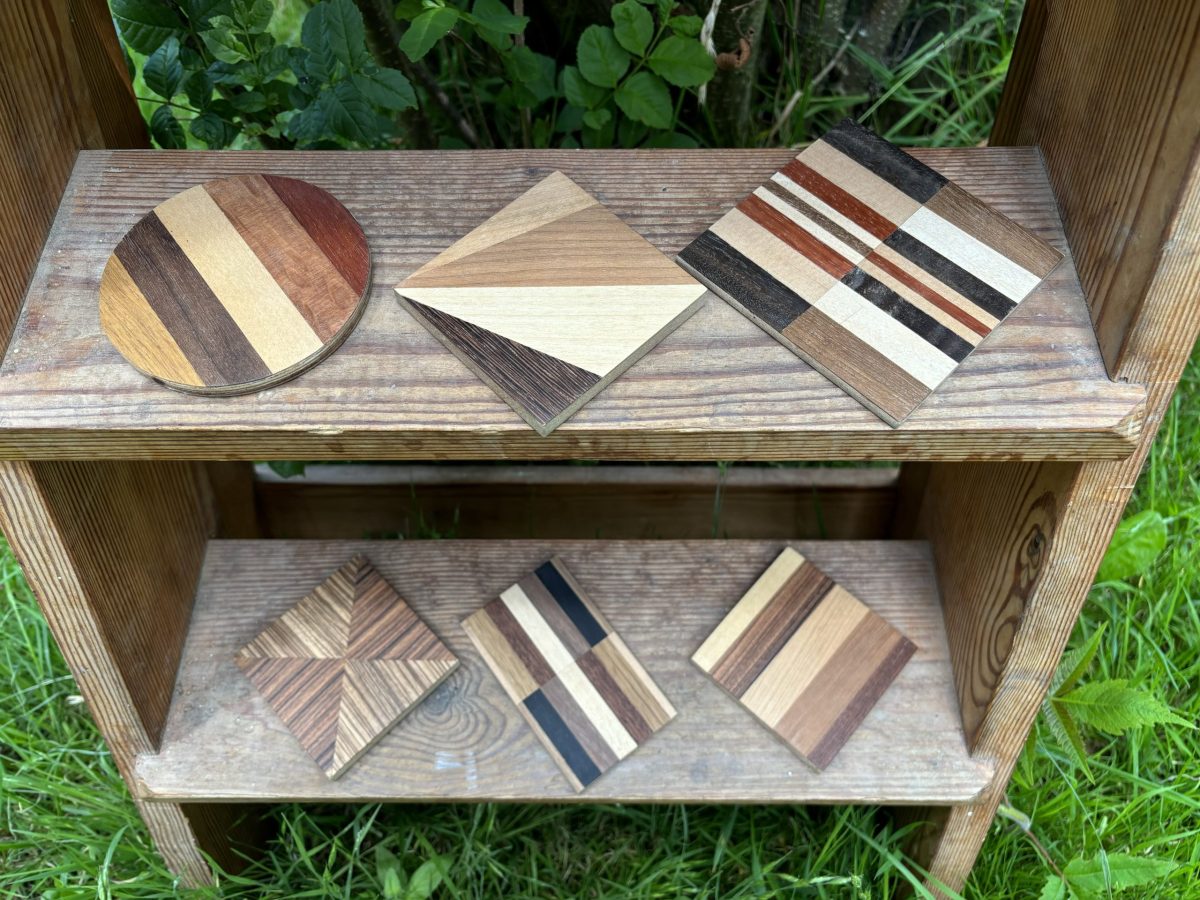
During this workshop, you will learn how to combine different types of veneer to create beautiful, unique patterns. The thin wood is carefully cut and assembled into a composition of your own design, then glued and finished. At the end of the workshop, you will take home a handmade decorative coaster that is both functional and stylish.
Marquetry is a woodworking technique in which very thin pieces of wood are cut, assembled, and glued onto a solid wood base. By using different wood species with their natural colors, it is possible to create unique images and patterns. This refined craft requires great skill and precision, as every piece of veneer must fit perfectly to form a seamless whole. The result is a unique decorative surface that highlights the natural beauty and variety of wood. This technique is used in furniture, artworks, and interior design elements, offering a distinctive combination of visual elegance and craftsmanship.
De Beemster School voor Meubelmaken is a school for both professional furniture makers and hobbyists. Located in the Beemster UNESCO World Heritage Site, the school provides an inspiring setting for anyone who wants to learn the art of woodworking. The school is known for its hands-on approach, with participants working with their hands from day one. Experienced instructors guide them in developing both traditional craftsmanship and modern techniques. The school offers a wide range of courses and workshops. With a strong focus on quality and sustainability, De Beemster School voor Meubelmaken is dedicated to training craftspeople and enthusiasts who are capable of creating high-quality, handcrafted furniture.
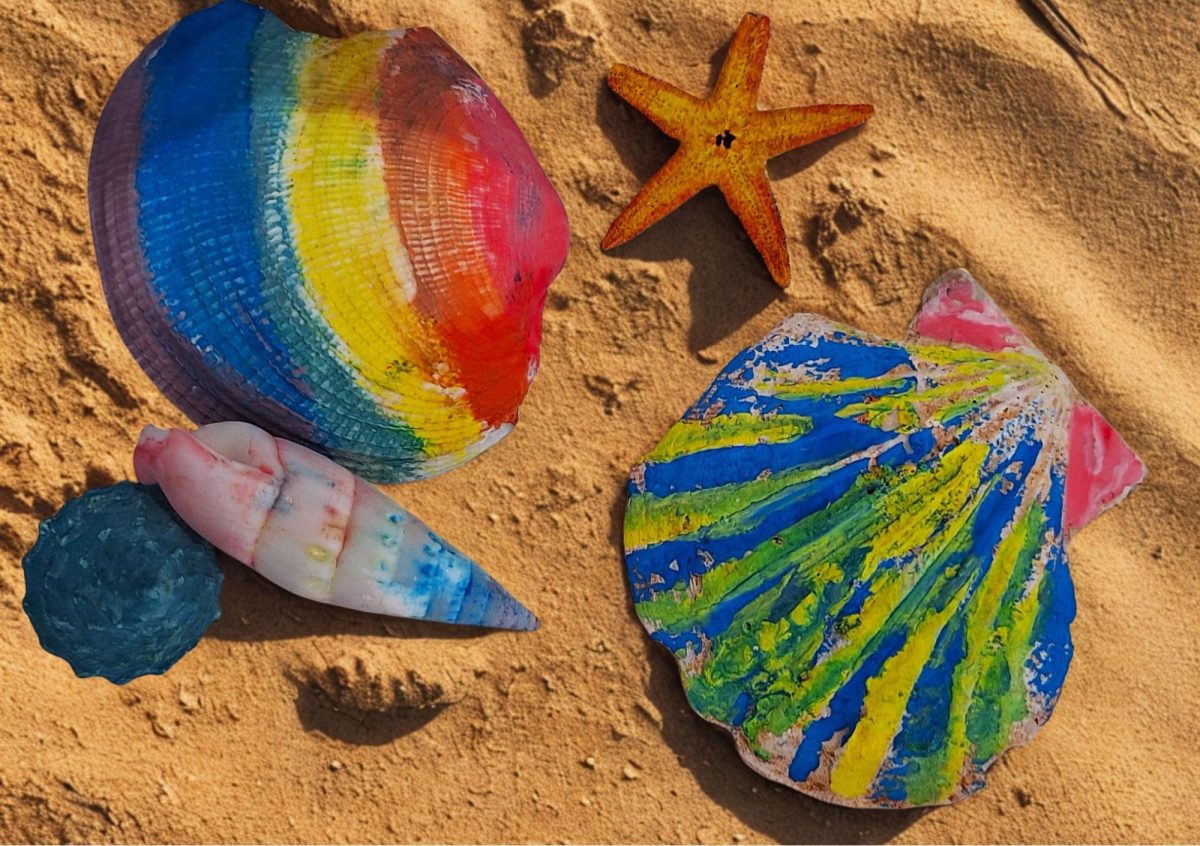
Did you know that a seashell was once the home of a sea creature, such as a snail or a mussel? The animal built its shell layer by layer, all by itself, over many years. Some of the shells you find on the beach can be decades old and may have traveled through the sea for all that time before reaching you.
Just like a shell has a long history, so do you! Your family, your ancestors, have also traveled a long journey before you came into the world.
During this workshop, you will work with a large, beautiful shell that will become your own! You will paint it in your own style, using colors and decorations that reflect your family and your history.
First, we will tell you more about why it is so important to know where you come from and how you can connect with your ancestors. With that thought in mind, you will decorate your shell in whatever way feels right to you.
Paint, brushes, and all decorative materials will be provided. All you need to bring is your creativity.
At the end of the workshop, you will receive a small box to take your shell home safely. Place it somewhere special in your home, on a shelf or a small altar. Every time you look at it, you can take a moment to reflect on your ancestors and where you come from.
Carla, Martha Sabajo, and Marilyn van Rijn, born in Suriname, are proud cultural bearers of the Lokono community. As members of Stichting Wasjikwa, they dedicate their time to preserving and passing on indigenous cultural heritage. Their motivation comes from a deep connection to their roots. They believe that traditional craft techniques can never be separated from the stories, values, and spirituality woven into them. For Carla, Martha, and Marilyn, passing on Indigenous skills goes far beyond teaching techniques; it is about sharing an entire way of life.
During their workshops, they create a warm sense of community where participants not only learn practical skills but also hear personal stories about the importance of community.
Festival address:
NDSM Loods
NDSM-Plein 85
1033 WC Amsterdam
Postal address:
Stichting Ambacht in Beeld
Kalf 158
1509AH Zaandam
The Netherlands